8 min read
Disclosure: As an Amazon Associate and eBay Partner Network publisher, we earn from qualifying purchases. This doesn’t affect what we recommend or how we describe it.
You’ve dialed in your grind, you know your beans, but your single-boiler machine just can’t keep up with back-to-back lattes — or your morning espresso ritual is getting derailed by waiting for the boiler to cool down between shots and steam. That’s when home baristas start searching for the best dual boiler espresso machines: gear that can brew espresso and steam milk at the same time, no more standing around. This guide breaks down the pros, cons, and real differences between two standout dual boiler machines currently available — so you can match your next upgrade to your budget, space, and coffee priorities.
Top picks at a glance
- Breville Dual Boiler Espresso Machine — the premium option
- De’Longhi EXAM44055B Rivelia Automatic Espresso Machine with Grinder & Frother — the most feature-rich
Spot the difference between these dual boiler picks

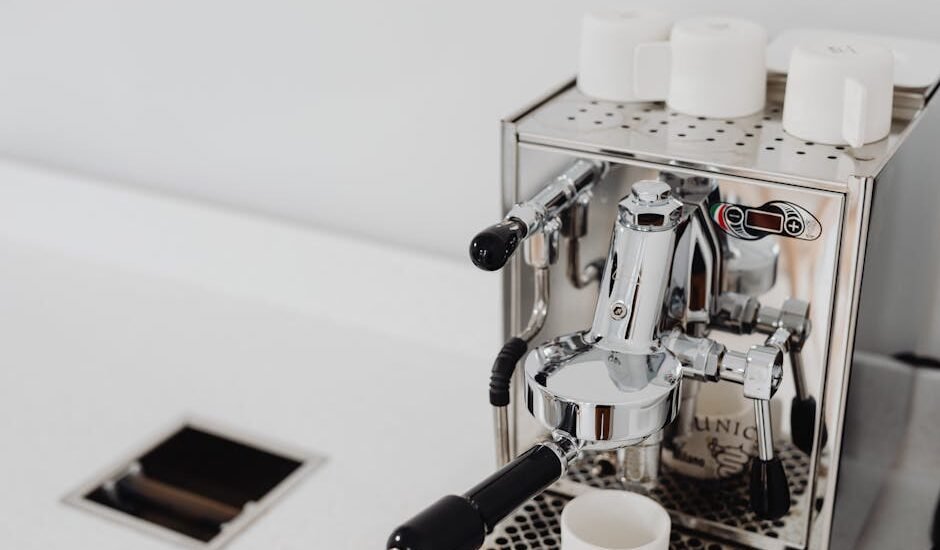
Pictured: Breville Dual Boiler
| Product | Condition | Price | Best For | Automation Level | Integrated Grinder |
|---|---|---|---|---|---|
| Breville Dual Boiler Espresso Machine |
Open Box | $$$ | Premium home espresso | Manual/semi-auto | — |
 De’Longhi EXAM44055B Rivelia Automatic Espresso Machine with Grinder & Frother De’Longhi EXAM44055B Rivelia Automatic Espresso Machine with Grinder & Frother |
Open Box | $ | Feature-packed automation | Super-automatic | Yes |
About the $ symbols: they’re a quick budget/mid/premium read of where each option sits relative to the others in this comparison. See current prices in the live listings below.
Choose the right dual boiler for your routine
Not all dual boiler machines are built for the same kind of coffee drinker. Each of these two options targets a different set of priorities, from hands-on control to full automation. Here’s how they stack up in real-world categories that matter to home users.
Control and Customization: Manual vs. Fully Automatic
The Breville Dual Boiler is a classic “prosumer” machine, designed for people who want to dial in every variable. You get manual control over shot timing, pre-infusion, and temperature settings (with PID control, usually accurate to within 1°F). This lets you experiment with different beans and recipes, but it also means a learning curve — you’ll need a separate grinder, and you’re responsible for tamping, dosing, and cleaning up between shots.
The De’Longhi Rivelia is a super-automatic machine that grinds, doses, tamps, brews, and steams milk at the touch of a button. You trade some control for convenience. The built-in grinder and automatic milk frother mean less mess and faster drinks, but you won’t have fine-tuned control over extraction pressure or advanced temperature tweaks. For most households, this is a major time-saver — especially if you’re making several milk drinks a day or want consistent results without fuss.
Grinder Integration and Workflow
If you want an all-in-one setup, the De’Longhi Rivelia is the only pick here with a built-in grinder. This saves counter space and guarantees grind consistency for each shot. The Breville Dual Boiler, by contrast, requires a separate burr grinder — which can easily add $200+ to your setup, and a bit of extra counter real estate. However, this separation gives you more flexibility to upgrade grinders down the line or dial in specialty beans that need precise grind adjustments.
Milk Steaming Power and Capacity
Both machines claim true dual boiler function, so you can brew espresso and steam milk simultaneously — a must if you’re making more than one drink at a time. The Breville Dual Boiler typically features a 2-liter water reservoir and a dedicated steam boiler that delivers strong, dry steam for microfoam. The De’Longhi Rivelia uses an automatic frother, which is less customizable but extremely fast for cappuccinos and lattes. If you like to practice latte art, the manual steam wand on the Breville gives you more control over texture and temperature (usually adjustable up to around 266°F/130°C), while the De’Longhi’s frother is more about push-button convenience.
Maintenance and Upkeep
Super-automatic machines like the De’Longhi Rivelia often include automatic rinsing and descaling programs, so regular maintenance is mostly a matter of refilling beans and water, and emptying drip trays. Manual dual boilers, such as the Breville, require a bit more hands-on cleaning — especially if you’re switching between beans or want to keep the group head and steam wand spotless. If you’re not up for regular cleaning, automation may save you headaches in the long run.
Related Guides
- Espresso Shot Glasses for Machines: What to Buy and What to Skip
- The Best Espresso Machines for Home Use, Reviewed
- What’s the Ideal Pressure Setting for Espresso Machines?
- AeroPress vs French Press: Which Makes Better Espresso-Style Coffee?
- Burr vs Blade Grinders for Espresso: What’s the Real Difference?
- Espresso Machine vs Moka Pot: What’s the Real Difference?
- Browse all Buying Guides →
Common mistakes to avoid
- Assuming all dual boilers are “plug and play”: Many require setup, calibration, and regular cleaning. Skipping these steps can lead to poor espresso and even machine damage.
- Overlooking the grinder requirement: Buying a manual dual boiler like the Breville without budgeting for a quality burr grinder leads to disappointing results. The grinder matters as much as the machine.
- Ignoring machine size and weight: Dual boiler machines are large and heavy — the Breville Dual Boiler, for example, typically weighs over 30 lbs and needs substantial counter space.
- Expecting café-level steam performance in seconds: Home machines, even dual boilers, take several minutes to heat up and recover between drinks. Patience pays off.
- Not checking water source compatibility: Some machines work best with filtered or softened water. Hard tap water increases descale frequency and can void warranties.
How we narrowed down the shortlist
For this guide, the main criteria were dual boiler functionality (true simultaneous brew and steam), automation level, grinder integration, and real-world usability for home kitchens. We prioritized machines with clear manufacturer specs for boiler type, user controls, and milk system. Automation level — whether you want a hands-on or push-button workflow — was a key differentiator, as was whether a grinder was built in or required separately. We also considered water reservoir size, footprint, and ease of maintenance based on manufacturer documentation and feature lists.
Only models with named-brand recognition and listed specs from reputable sellers were included. We left out single-boiler, heat-exchanger, and unbranded machines, as well as bundles where the grinder or accessories obscure the core espresso machine. If you’re looking for a compact machine for occasional use, or you want true café-level power (with plumbed-in water and rotary pumps), this category isn’t the best fit — you’ll want to look at other types of espresso machines or professional gear.
Which machine is right for you?
If you want to experiment with every variable and already have (or plan to buy) a quality grinder, the Breville Dual Boiler is built for precision, repeatability, and hands-on satisfaction. This is the model for tinkerers and home baristas who want to control every step of the shot. If you want café drinks at the touch of a button, the De’Longhi Rivelia covers all the bases with automation, a built-in grinder, and rapid-fire milk drinks — making it the strongest match for busy households or those who just want excellent coffee with minimal fuss.
Both machines deliver the key upgrade of dual boiler performance — but the best pick comes down to how much control you want, how much space you have, and whether you’re willing to invest in a separate grinder. For more background on dual boiler technology and how it compares to other espresso machine types, check out the Home-Barista.com knowledge base.
FAQs about dual boiler espresso machines
How long does it take for a dual boiler machine to heat up?
Most dual boiler home machines, like the Breville Dual Boiler, require 10–15 minutes to reach brewing and steaming temperature from cold. Super-automatic options may heat slightly faster, but for optimal results, allow at least 10 minutes for full thermal stability.
Is the price difference between these machines justified?
The Breville Dual Boiler commands a higher price because of its manual controls, build quality, and advanced temperature management. The De’Longhi Rivelia is more affordable, but includes a grinder and full automation, making it a value pick for convenience-focused users. The right choice depends on whether you value hands-on control or all-in-one simplicity.
Which is better for milk drinks: Breville Dual Boiler or De’Longhi Rivelia?
If you want to steam milk manually and try latte art, the Breville Dual Boiler’s steam wand gives more control over texture and temperature. If you prefer automatic frothing and one-touch cappuccinos, the De’Longhi Rivelia is the easier option for consistent milk drinks.
Do I need a water filter for these machines?
Most home espresso machines, including both models listed here, benefit from using filtered or softened water. Hard water can cause scale buildup and may require more frequent descaling, potentially affecting machine longevity and taste. Always check the manufacturer’s recommendations for water quality.
What are the dimensions of these machines, and will they fit on my counter?
Dual boiler machines are generally larger than single-boiler models. The Breville Dual Boiler is roughly 15 inches wide, 15 inches deep, and 16 inches tall, while the De’Longhi Rivelia is typically more compact due to its integrated design. Measure your available counter space before deciding.
How often do I need to descale a dual boiler espresso machine?
Descale intervals depend on your water hardness and usage, but most manufacturers recommend descaling every 2–3 months for home use. Many super-automatic machines offer reminders or automated descale cycles, while manual machines require following a step-by-step process. Regular descaling keeps your machine running efficiently and maintains coffee quality.


Last updated: June 2026 · Our research process