9 min read
Disclosure: As an Amazon Associate and eBay Partner Network publisher, we earn from qualifying purchases. This doesn’t affect what we recommend or how we describe it.
You’re standing in your kitchen, eyeing that old stovetop kettle and wondering if an electric kettle would really make your morning coffee routine better—or just clutter your counter. Maybe you’re a pour-over enthusiast chasing precise temperatures, or you just want a reliable way to boil water for tea, French press, or instant oatmeal. This guide breaks down the real-world differences between stovetop and electric kettles, so you can choose the best fit for your habits, budget, and brewing style.
Stovetop vs Electric: The Comparison Table That Actually Matters
| Category | Heating Speed (1L) | Temperature Control | Capacity Range | Power Use | Price |
|---|---|---|---|---|---|
| The simplest, easiest-to-use option | 7–10 min | None | 1–2.5 L | Stove BTUs | $ |
| The best pick for pour-over control | 8–12 min | None | 0.7–1.2 L | Stove BTUs | $$ |
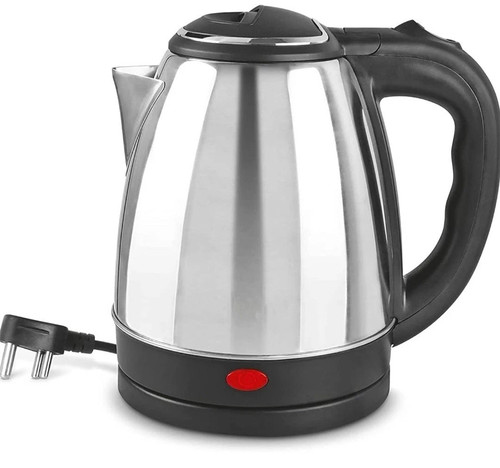
| The budget-friendly pick | 3–5 min | Off/Boil Only | 1–1.7 L | 1200–1500 W | $$ |
| The premium option | 4–7 min | 104–212°F (40–100°C) | 0.8–1.2 L | 1000–1200 W | $$$ |
Pricing context: $, $$, and $$$ are relative ratings against the other products listed above, not absolute dollar ranges. Live current prices follow below.
Pricing context: $, $$, and $$$ are relative ratings against the other products listed above, not absolute dollar ranges. Live current prices follow below.
What most buying guides get wrong about kettle performance
Too many guides gloss over the practical impact of heating speed, temperature precision, and capacity. In real kitchens, these factors shape your daily experience far more than aesthetics or brand hype. Here’s what you need to know:
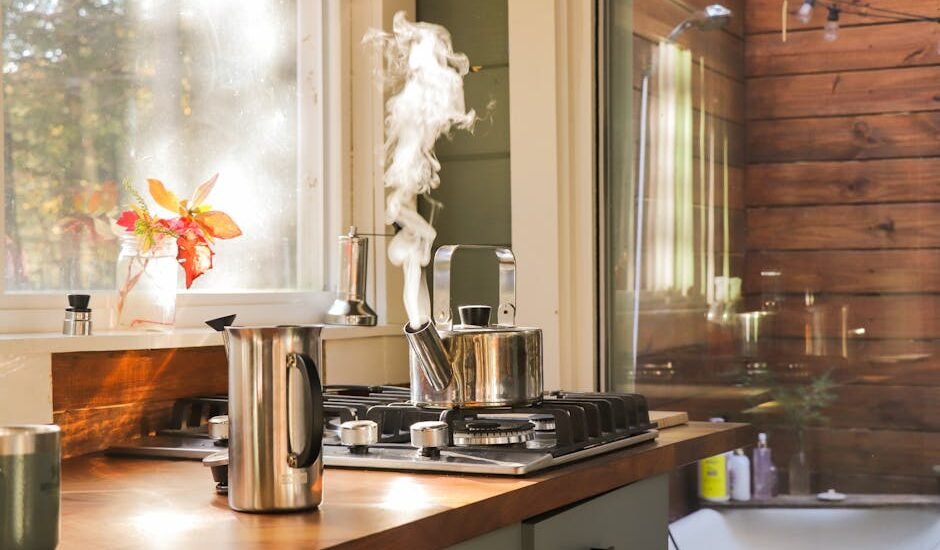
- Heating speed: A basic stovetop kettle can take twice as long as an electric kettle to boil a liter of water. If you’re impatient in the morning, this matters.
- Temperature control: Most stovetop models give you zero control—water hits a rolling boil, and that’s it. Only variable-temperature electric kettles let you pick an exact number (down to 1°F/1°C increments on some models).
- Capacity: Large stovetop kettles can hold up to 2.5 liters, great for entertaining. Gooseneck and variable-temp options usually max out around 1.2 liters—enough for 2–3 mugs or a full pour-over session.
- Power and usage: Electric kettles use 1000–1500 watts, drawing about as much power as a toaster. Stovetop kettles depend on your stove’s BTU output, which varies widely between gas, electric coil, and induction ranges.
The spec almost nobody talks about: Pour control and usability
Temperature and speed get all the attention, but for pour-over or manual brewing, the spout design can make or break your results. Gooseneck kettles—whether stovetop or electric—offer unmatched precision for slow, circular pouring. Standard kettles tend to gush, making it tough to control flow for bloom and extraction in pour-over or Chemex brewing. If you care about repeatable results, a gooseneck is worth the investment.
Another overlooked factor: ergonomics. Some kettles have awkward handles that get hot or force you to grip at an odd angle. The best models balance well in your hand and keep your knuckles away from steam vents. Test the handle and lid mechanism if you can, especially if you have small hands or limited grip strength.
Related Guides
- Our guide to Gooseneck Electric Kettles That Are Actually Worth Buying
- Hand Grinder vs Electric Grinder: Which Should You Choose?
- Our guide to Dual Boiler Espresso Machines That Are Actually Worth It
- Our guide to Conical Burr Grinders That Brew Better Drip Coffee at Home
- Is a Burr Coffee Grinder Worth It? The Real Pros and Cons for Home Brewers
- Our guide to Espresso Shot Glasses for Machines: What to Buy and What to Skip
- Browse all Equipment Comparisons →
Common mistakes to avoid
- Buying a kettle that’s too big for your needs: Oversized kettles take longer to boil and waste energy if you’re only making one or two cups at a time.
- Ignoring stovetop compatibility: Not all stovetop kettles work on induction cooktops—look for magnetic stainless steel or induction-ready labels if you have this type of stove.
- Choosing style over function: That retro enamel kettle might look great, but flimsy lids and poor spout design can ruin your brewing experience.
- Skipping variable temperature if you brew specialty coffee: Serious pour-over and green tea lovers need precise temps. Don’t settle for a boil-only model if you’re chasing flavor clarity.
- Overlooking cleaning and maintenance: Narrow openings and non-removable lids make descaling a pain, especially in hard water areas.
Stovetop or electric: Which is better for pour-over coffee?
For pour-over, the gooseneck spout is the most important feature—regardless of heat source. Electric gooseneck kettles with variable temperature control offer the fastest, most precise results. Stovetop goosenecks can work if you’re willing to use a thermometer and wait for the right temperature, but it’s less convenient. If pour control and repeatability matter, electric wins hands down.
How much faster is an electric kettle versus stovetop?
On average, a 1500-watt electric kettle boils 1 liter of water in 3–5 minutes. Basic stovetop kettles usually take 7–10 minutes on a typical home gas or electric stove. That means an electric kettle can cut your wait time by half or more—noticeable if you’re in a rush every morning.
Do electric kettles use more energy than stovetop kettles?
Electric kettles are generally more energy-efficient because the heating element is in direct contact with the water, reducing heat loss. Stovetop kettles waste some energy heating the surrounding air and the kettle itself. For frequent use, the efficiency difference can add up over time, especially in regions with high energy costs. For more on household appliance energy use, check resources like energy.gov.
Can variable-temperature kettles really hold a set temperature?
Quality variable-temp electric kettles can hold water within 1–3°F (or 1–2°C) of the set point for 20–60 minutes, depending on the model. This is a huge convenience for back-to-back brewing or tea sessions. Stovetop kettles can’t maintain a steady temperature without constant monitoring and reheating.
What’s the most common failure point for kettles?
For electric kettles, faulty heating elements and broken lid mechanisms are the most frequent complaints. In stovetop models, warping from overheating and leaking spouts or loose handles are typical issues. Always check the warranty terms and look for designs with replaceable parts if you want longevity. Consumer protection sites like Consumer Reports offer additional buying guidance.
Does kettle material matter for taste or safety?
Material can influence both taste and safety. Stainless steel is durable and inert, while glass lets you see the water level but may crack if dropped. Cheap plastics can sometimes impart flavors or leach chemicals at high temperatures—look for BPA-free certification if you choose a plastic-bodied electric kettle. Enamel and copper stovetop kettles are mostly about aesthetics, but can chip or tarnish over time.
Is it worth paying extra for a premium kettle?
If you value speed, temperature precision, and pour control, a premium electric gooseneck kettle is a worthwhile upgrade—especially for pour-over or specialty tea. For simple boiling, a basic stovetop or electric model gets the job done at a lower price. Decide based on your daily habits, not just the specs. Compare current options to see what features are available in your price range.
Final thoughts: Matching your kettle to your routine
Choosing between stovetop and electric kettles comes down to how you brew, how much control you want, and how much counter space you’re willing to give up. If you want fast, precise, repeatable results—especially for pour-over or specialty tea—go electric. If you value simplicity, classic looks, or need a big capacity for guests, a stovetop kettle still holds its own. The right kettle isn’t just about specs; it’s about making your daily routine smoother and your coffee better. View what’s available and pick the one that fits your life, not just your kitchen.
Is a stovetop kettle or electric kettle better for small kitchens?
Basic electric kettles are usually more compact and can be stored away easily, making them a strong match for small kitchens with limited counter space. Many stovetop kettles have larger bases and handles, which can take up more room even when stored. If space is a premium, look for electric models with a footprint under 8 inches in diameter and cord storage.
Can you use a stovetop kettle on any type of stove?
Not all stovetop kettles work on every stove type. Induction cooktops require kettles made from magnetic materials like certain stainless steels or cast iron. If you have an induction stove, always check for “induction compatible” labeling before buying. Gas and electric coil stoves are more forgiving, but some decorative or enamel finishes can discolor over high heat.
How much water should you boil at once for best efficiency?
Boiling only what you need is the most efficient approach. For a single mug (about 12 oz or 350 ml), both stovetop and electric kettles perform best if you don’t overfill. Most electric kettles have minimum and maximum fill lines—running them at the minimum speeds up boiling and conserves energy. Overfilling either type wastes time and power.
Are there safety differences between stovetop and electric kettles?
Electric kettles almost always have automatic shutoff features that stop heating when water boils or reaches a set temperature, reducing the risk of boiling dry. Stovetop kettles rely on your attention and often use a whistle as a warning. If safety is a concern, especially in busy households, electric models with boil-dry protection are a safer bet.
What’s the easiest type of kettle to keep clean?
Electric kettles with wide openings and removable lids are the easiest to descale and wipe out. Glass-bodied models let you see buildup, but are more fragile. Stovetop kettles with a simple stainless interior and a large lid opening are also straightforward to clean. Avoid narrow-necked or non-removable lid designs if you have hard water and expect to descale often.
Do you need a thermometer with a stovetop kettle?
Unless you’re only boiling water for black tea or instant coffee, a thermometer is helpful with stovetop kettles. Temperature-sensitive brewing methods like pour-over or green tea benefit from water between 175–205°F (80–96°C). Without a built-in temp control, a quick-read thermometer or an infrared surface reader can help you hit the right range more consistently.
Related Guides
- Our guide to Gooseneck Electric Kettles That Are Actually Worth Buying
- Hand Grinder vs Electric Grinder: Which Should You Choose?
- Our guide to Dual Boiler Espresso Machines That Are Actually Worth It
- Our guide to Conical Burr Grinders That Brew Better Drip Coffee at Home
- Is a Burr Coffee Grinder Worth It? The Real Pros and Cons for Home Brewers
- Our guide to Espresso Shot Glasses for Machines: What to Buy and What to Skip
- Browse all Equipment Comparisons →


Last updated: June 2026 · Our editorial approach