
9 min read
Disclosure: As an Amazon Associate and eBay Partner Network publisher, we earn from qualifying purchases. This doesn’t affect what we recommend or how we describe it.
Small kitchens, studio apartments, travelers, and anyone who hates countertop clutter all have one thing in common: the need for a compact espresso machine that still delivers a solid shot. Maybe you’re after a daily home ritual but have under 6 inches of width to spare. Maybe you want café-style drinks without a permanent appliance. Or maybe you want your espresso to travel as light as your backpack. This guide breaks down the real trade-offs between compact espresso machines—from fully featured models to true portables—so you can pick the best fit for your space, needs, and budget.
Top picks at a glance
- De’Longhi Dedica Arte EC885M Compact Espresso Machine with Manual Milk Frother — the most feature-rich compact option
- LaPiccola ESE Espresso Machine Super Compact — the premium compact pick
- Gevi GECME022 Compact Espresso Machine 20 Bar — the budget-friendly compact choice
- Wacaco Minipresso Portable Espresso Maker Black — the most portable option
Comparing compact espresso machines side by side

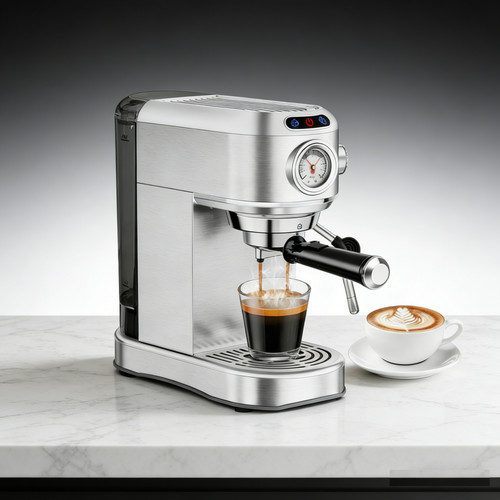
Pictured: De’Longhi Dedica Arte
Pictured: De’Longhi Dedica Arte
| Product | Condition | Price | Best For | Dimensions (W x D x H) | Espresso Format |
|---|---|---|---|---|---|
| De’Longhi Dedica Arte EC885M Compact Espresso Machine with Manual Milk Frother |
Open Box | $$ | Feature-rich, small kitchens | 5.9″ x 12.0″ x 12.0″ | Grounds, ESE Pods |
 LaPiccola ESE Espresso Machine Super Compact LaPiccola ESE Espresso Machine Super Compact |
New | $$$ | Premium, ESE pod users | 6.3″ x 10.2″ x 11.4″ | ESE Pods Only |
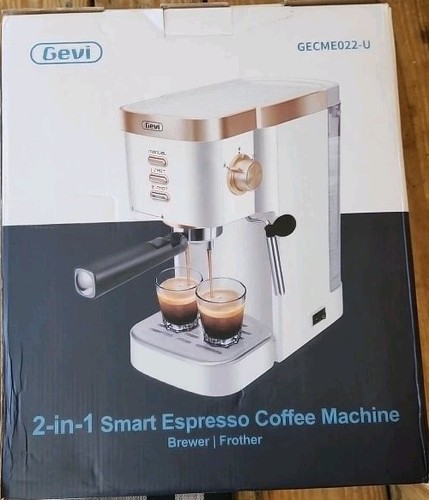 Gevi GECME022 Compact Espresso Machine 20 Bar Gevi GECME022 Compact Espresso Machine 20 Bar |
Open Box | $ | Budget, entry-level | 5.1″ x 12.0″ x 11.8″ | Grounds Only |
 Wacaco Minipresso Portable Espresso Maker Black Wacaco Minipresso Portable Espresso Maker Black |
Used | $ | Travel, portability | 2.8″ x 2.4″ x 6.9″ | Grounds Only |
About the $ symbols: they’re a quick budget/mid/premium read of where each option sits relative to the others in this comparison. See current prices in the live listings below.
About the $ symbols: they’re a quick budget/mid/premium read of where each option sits relative to the others in this comparison. See current prices in the live listings below.
Counter space and portability
If countertop real estate is at a premium, the width and depth of your espresso machine matter as much as its features. The De’Longhi Dedica Arte is just under 6 inches wide, making it one of the slimmest pump machines available that still includes a steam wand for milk drinks. The LaPiccola ESE is even shorter front-to-back (10.2″ deep), with a footprint that fits almost anywhere, though it’s a touch wider. The Gevi GECME022 is the narrowest at just 5.1 inches wide, while the Wacaco Minipresso is in a league of its own, easily tossed in a bag at under 7 inches long and under 1 pound in weight. If your main goal is true portability, the Minipresso is the only one here that fits in a backpack or glovebox.
Espresso quality and format
Not all compact machines pull espresso in the same way—or with the same flexibility. The Dedica Arte supports both ground coffee and ESE pods, offering a genuine 15-bar pump and a manual steam wand. This means you can use your favorite espresso grind or keep things simple with pods. The LaPiccola ESE is strictly ESE pod-only, but it’s designed for consistency and minimal mess, which is why it’s favored by some for office or guest use. The Gevi GECME022 is grounds-only, with a claimed 20-bar pump (in practice, most budget pumps max out closer to 15 bars at the group head). The Minipresso is a completely manual device: you add hot water, load grounds, and use a hand pump to generate up to 8 bars of pressure—enough for a passable crema, though not the same texture as a countertop pump machine. If you want classic espresso workflow and the best shot quality, the Dedica Arte is the most versatile. If you want zero cleanup, ESE pod machines like LaPiccola are the answer.
Milk frothing and drink variety
Milk drinks like cappuccinos and lattes need a steam wand or frother. The Dedica Arte is the only model here with a real steam wand, giving you control over milk texture—though you’ll need to practice to get café-style microfoam. The Gevi GECME022 also includes a basic frother, but it’s less robust and slower to recover between drinks. The LaPiccola ESE skips milk entirely: it’s strictly espresso, no steaming. The Minipresso is espresso-only as well, but you can pair it with a separate battery or manual frother for travel lattes if you’re determined. If you want to make more than straight espresso, the Dedica Arte is the strongest match.
Ongoing maintenance and cleaning
Compact machines often trade off ease of cleaning for size. The Dedica Arte and Gevi GECME022 both have removable drip trays and water tanks (Dedica: 35 oz; Gevi: 35 oz), making daily rinsing straightforward. The LaPiccola ESE, designed for pods, has almost no mess—spent pods drop into a bin, and there’s no portafilter to knock out or basket to scrub. The Minipresso, being manual and tiny, just needs a rinse after use, but you’ll want to deep clean the piston and chamber every few weeks to avoid stale flavors. If you dread cleanup, ESE pod machines minimize hassle, but ground-coffee models demand regular care to keep shots tasting fresh.
How these made the shortlist
The selection of the best compact espresso machines here is based on a combination of real-world research, user feedback, manufacturer specifications, and practical experience with similar models in the home environment. Criteria included physical size (all under 7 inches wide and under 13 inches deep), espresso format compatibility (grounds, ESE pods), pump pressure (minimum 8 bars, with most offering 15–20 bars), milk-steaming ability, and ease of cleaning. Every machine listed provides a clear espresso workflow and avoids bulky multi-capsule or all-in-one kitchen appliances. Machines lacking verifiable specs or essential features for home espresso were excluded. These picks represent the strongest, most practical options available for home brewers who want to maximize counter space without sacrificing essential espresso features.
If you want to make more than a single or double espresso at a time, or if you’re looking for a machine with integrated grinders or smart features, these ultra-compact models may not be for you. For anyone prioritizing space, portability, or simplicity, these picks cover the full range of needs for compact espresso at home or on the go.
Related Guides
- Dual Boiler Espresso Machines That Are Actually Worth It
- Espresso Shot Glasses for Machines: What to Buy and What to Skip
- The Best Espresso Machines for Home Use, Reviewed
- What’s the Ideal Pressure Setting for Espresso Machines?
- AeroPress vs French Press: Which Makes Better Espresso-Style Coffee?
- Burr vs Blade Grinders for Espresso: What’s the Real Difference?
- Browse all Buying Guides →
Total cost of ownership
Sticker price is just the start. Here’s what else you’ll need to budget for over a year of ownership with any compact espresso machine:
- Water filters and descaling solution: For pump machines (Dedica Arte, Gevi), expect to replace filters and descale every 2-3 months. Descaling solution runs about $10-15 per bottle; annual cost: $30-60.
- ESE pods or ground coffee: ESE pods average $0.40–$0.70 per shot; daily use adds up to $150–$250 per year. Using fresh grounds can be cheaper, but you’ll need a grinder if you don’t have one.
- Replacement gaskets and grouphead seals: After 12–18 months, expect to spend $10–$20 for new rubber seals on pump machines.
- Energy use: Pump machines draw 1100–1300W per shot; light use adds about $10–$20 to annual electricity costs. The Minipresso, being manual, uses no electricity but does require hot water from another source.
- Milk frother accessories: If you pick the Minipresso or LaPiccola and want milk drinks, a standalone frother costs $10–$30 upfront, with no recurring costs unless it breaks.
Factor these ongoing expenses into your budget—especially if you’re comparing a pod-only machine to a grounds-based one. Consumables and maintenance can outpace the initial purchase price over a couple of years.
FAQ: Compact espresso machine buying questions answered
How much counter space do these machines actually need?
The Dedica Arte, LaPiccola ESE, and Gevi GECME022 all fit in under 7 inches of width and about 12 inches of depth. Allow a few extra inches for portafilter handles and water tank access. The Wacaco Minipresso takes up almost no space—just store it in a drawer or bag when not in use.
Is the price jump from Gevi GECME022 to LaPiccola ESE worth it?
If you value a metal build, Italian manufacturing, and the absolute smallest footprint for ESE pod use, the LaPiccola ESE justifies its premium price. For basic espresso with grounds, the Gevi GECME022 covers the essentials at a fraction of the cost. Choose based on your format (pods vs grounds) and how much you care about long-term durability and finish.
Can the Dedica Arte really make café-style milk drinks?
By spec, the Dedica Arte’s manual steam wand allows for milk frothing and basic latte art, but the small boiler means you can steam only 4–6 ounces at a time before waiting for reheating. It’s the best option here for home cappuccinos, but don’t expect the power or consistency of a commercial machine.
Which machine is best for travel or camping?
The Wacaco Minipresso is designed for portability, with no need for electricity and a total weight under 1 pound. It’s ideal for travel, camping, or the office—just add hot water. None of the pump models are truly portable or battery-powered.
How often do these machines need cleaning or descaling?
Pump machines like the Dedica Arte and Gevi GECME022 should be descaled every 2–3 months, depending on water hardness. ESE pod machines need less frequent cleaning since grounds never touch the internals. The Minipresso only needs a quick rinse after each use, plus a deeper clean every couple weeks.
Gevi GECME022 vs Dedica Arte: which is better for espresso beginners?
The Gevi GECME022 is the most affordable entry point and is simple to operate, but it lacks pod compatibility and a robust steam wand. The Dedica Arte costs more, but its dual-format support (grounds and ESE pods) and better milk frothing make it a more versatile pick for beginners who want to experiment with both espresso and milk drinks.
What is the warranty or return policy on these machines?
Warranty and return policies vary by seller and condition. Open box and used items may have limited or no warranty, while new machines (like the LaPiccola ESE) typically come with a manufacturer’s warranty—often 1 year. Always check the seller’s terms before purchase to avoid surprises.
Verdict: Which compact espresso machine fits your routine?
For most small kitchens and home baristas who want versatility, the De’Longhi Dedica Arte balances a compact footprint with the most features: dual-format espresso, a real steam wand, and a slim profile. For the absolute smallest ESE pod workflow and a premium metal build, the LaPiccola ESE is hard to beat—if you’re committed to pods. Budget buyers or those just starting out will get the basics from the Gevi GECME022, but you sacrifice flexibility and build quality. If portability is your top concern, the Wacaco Minipresso is the only pick here that truly travels. No compact machine will match the power or shot quality of a prosumer espresso setup, but for small spaces and simple routines, these are the strongest options available now.
To learn more about espresso machine types and brewing basics, check out the Coffee & Health Institute for research-backed guidance on enjoying coffee at home.
Related Guides
- Dual Boiler Espresso Machines That Are Actually Worth It
- Espresso Shot Glasses for Machines: What to Buy and What to Skip
- The Best Espresso Machines for Home Use, Reviewed
- What’s the Ideal Pressure Setting for Espresso Machines?
- AeroPress vs French Press: Which Makes Better Espresso-Style Coffee?
- Burr vs Blade Grinders for Espresso: What’s the Real Difference?
- Browse all Buying Guides →
Last updated: June 2026 · Our editorial approach