9 min read
Disclosure: As an Amazon Associate and eBay Partner Network publisher, we earn from qualifying purchases. This doesn’t affect what we recommend or how we describe it.
Busy weekday mornings, gear-focused home brewers, and coffee lovers chasing café flavor at home all end up facing the same question: what’s the best conical burr grinder for drip coffee? You want to avoid weak, muddy brews and finally get the balance and clarity that store-bought ground coffee can’t deliver. The right grinder unlocks those nuanced flavors, but the market is crowded and specs don’t always translate to a better cup. Here’s how to cut through the confusion and pick a conical burr grinder that actually improves your drip coffee—whether you’re just starting out or ready to upgrade from your first entry-level machine.
What most buying guides get wrong about drip coffee grinders
Many guides lump all burr grinders together, treating espresso and drip coffee as if they need the same features. That’s a shortcut that leads to wasted money and underwhelming results. The grind size range, adjustment precision, and even the speed of a grinder matter differently for drip than for espresso. Drip coffee shines with a medium grind—usually between 600 and 1000 microns—so you need a grinder that’s both consistent and easy to dial in within that range. Overpaying for espresso-level fine tuning or underestimating the importance of burr alignment can both leave you disappointed.
Another common mistake: ignoring static cling, retention, and ease of cleaning. These “little” frustrations add up fast in daily use. For drip fans, a grinder that’s easy to keep clean and doesn’t waste coffee is worth more than a dozen click stops you’ll never use.
Side-by-side: Comparing configurations for drip coffee grinding
| Configuration | Burr Size (mm) | Grind Range (μm) | Grind Retention (g) | Noise Level (dB) | Price |
|---|---|---|---|---|---|
| Entry-Level Electric | 38 mm | 450–1200 | 2–3 g | 75–80 | $ |
| Mid-Range Electric | 40–48 mm | 400–1200 | 1–2 g | 70–75 | $$ |
| Premium Electric | 50–54 mm | 350–1200 | <1 g | 65–70 | $$$ |
| Manual Grinder | 38–42 mm | 400–1200 | <1 g | — | $ |
Pricing key: $ marks the budget tier, $$ the mid-range, $$$ the premium picks. Tiers are relative to the products in this comparison; actual prices update live below.
Related Guides
- Is a Burr Coffee Grinder Worth It? The Real Pros and Cons for Home Brewers
- Flat Burrs vs Conical Burrs: Which Grinder Is Best for Home Use
- Our guide to Pour Over vs Drip Coffee Makers: How They Compare
- How to Descale a Drip Coffee Maker: A Step-by-Step Guide
- Our guide to How to Find the Right Replacement Parts for Your Burr Grinder
- How to Season a New Coffee Grinder: A Step-By-Step Guide
- Browse all Buying Guides →
The spec almost nobody talks about: burr size and shape
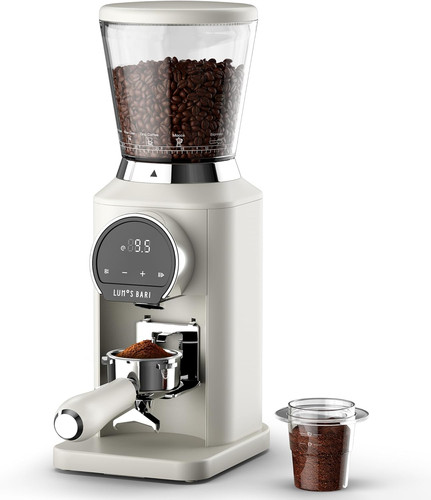
Bigger isn’t always better, but burr size does make a difference for drip coffee. Most entry-level electric grinders use 38 mm conical burrs, which are fine for a single daily pot but can struggle with consistency when you grind larger batches. Stepping up to 40–48 mm burrs (common in mid-range machines) gives you a more even grind and cuts down on fines—those dusty particles that make coffee bitter or silty. Premium grinders often use 50 mm or larger burrs, which can handle batch grinding for big households and offer even more consistency, but they also take up more space and cost a lot more.
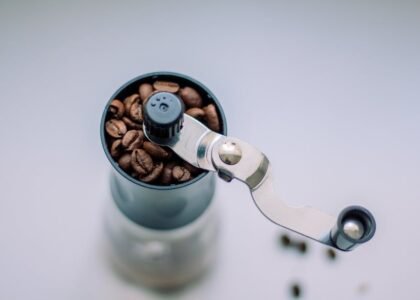
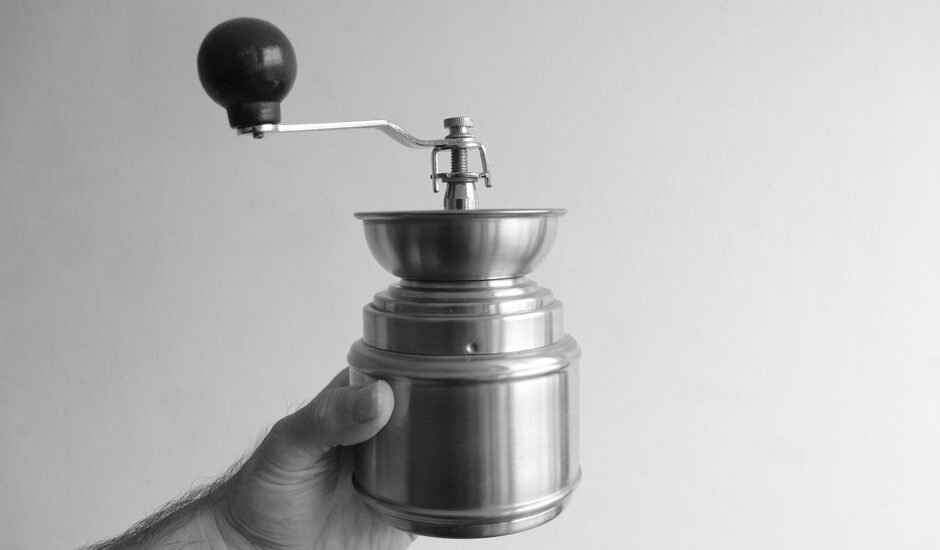
Manual grinders with 38–42 mm burrs can rival electric models in grind quality, but you’ll be doing the work yourself. For occasional use or travel, they’re unbeatable for the price. For daily drip brewing at home, though, most people prefer the hands-off convenience of an electric grinder.
Why grind retention and static matter more than you think
Grind retention—the amount of coffee that stays trapped inside the grinder—sounds like a minor issue, but it can add up to several wasted cups a month. Entry-level grinders may hold onto 2–3 grams per use, while better designs drop that to under 1 gram. Over time, retained grounds can go stale and mix with fresh coffee, dulling the flavor of each brew. Look for grinders with straight-through chutes, easy-access burrs, and anti-static features to minimize this problem.
Static cling is another headache, especially in dry climates or during winter. Some grinders come with anti-static coatings or grounds bins designed to reduce mess, but you can also manage it by lightly misting beans or using a grinder with a metal catch cup. The less ground coffee sticks to the inside, the easier cleanup becomes—and the better your coffee tastes.
Ease of adjustment: Stepped vs. stepless for drip coffee
Most home grinders use either a stepped or stepless grind adjustment. Stepped grinders “click” into set positions, making it easy to repeat your favorite grind size once you’ve found it. For drip, you don’t need the ultra-fine control required for espresso, so a well-designed stepped grinder is often the most user-friendly choice. Look for models with at least 20–40 steps in the drip range (typically labeled “medium” or “filter”).
Stepless grinders allow infinite adjustment between grind sizes, which is great if you brew multiple styles (like pour-over, French press, and drip) and want to fine-tune your cup. For dedicated drip drinkers, though, stepless adjustment can be overkill and sometimes makes it harder to return to your perfect setting after cleaning.
Capacity and workflow: Matching your grinder to your routine
Think about how much coffee you brew at a time. Entry-level and manual grinders typically hold 20–40 grams of beans—enough for a 12–20 oz pot. Mid-range and premium electrics can handle 60–120 grams, perfect for larger batches or entertaining. If you brew one cup at a time, a small-capacity grinder saves space and keeps beans fresher. If you make a full pot every morning, a bigger hopper and grounds bin will save you time and hassle.
Noise level is another factor if you share a home or have early risers around. Most conical burr grinders run between 65–80 decibels (about as loud as a dishwasher), but premium models are noticeably quieter thanks to better insulation and slower motor speeds.
Don’t overlook cleaning and maintenance
Whatever grinder you choose, you’ll need to clean it regularly to keep your coffee tasting fresh. Models with tool-free burr access make this much easier. Expect to brush out the burrs weekly and do a deeper clean monthly. Some grinders let you remove the hopper and burrs without tools, while others require screwdrivers or even partial disassembly. If you hate fiddling with gear, pick a grinder with a simple cleaning process—you’ll thank yourself after the first month.
Total cost of ownership
The sticker price is just the beginning. Here’s where the real costs add up over a year or two of daily use:
- Burr replacement: Most home-use conical burrs last for 500–700 pounds of coffee (roughly 2–4 years for a typical household). Replacement sets cost $25–$60 depending on size and material.
- Cleaning supplies: A decent grinder brush runs $8–$15. Grinder cleaning pellets (used monthly) cost $10–$20 per year.
- Static management: If your grinder doesn’t include an anti-static bin, a stainless steel catch cup or spray bottle for the “Ross Droplet Technique” adds $10–$25 upfront.
- Energy use: Electric grinders use 100–200 watts per session, adding about $2–$5 per year to your power bill—minimal, but worth noting if you grind multiple times a day.
- Replacement parts: Hoppers, lids, and grounds bins can crack or wear out. Spares typically run $10–$30 each, depending on the model.
Planning for these costs helps you avoid surprises and keeps your grinder running at its best.
Which configuration is right for your kitchen?
For most home drip brewers, a mid-range electric grinder with 40–48 mm conical burrs and a 60–100 gram hopper is the sweet spot for value and performance. You’ll get more consistent grounds, less mess, and a quieter experience than entry-level models—without paying the premium for commercial-level features you won’t use. If you’re on a tight budget or want a portable option, a manual grinder with 38–42 mm burrs delivers impressive results with a bit of elbow grease.
Ready to upgrade your daily brew? Check current prices on the best-value conical burr grinders for drip coffee.
FAQs: Drip coffee grinder decisions demystified
How often should I replace the burrs in a conical grinder?
With daily use, most home conical burrs last 2–4 years (or 500–700 pounds of coffee). Dull burrs create more fines and uneven grounds, so plan to replace them as soon as you notice flavor drop-off or inconsistent grind size.
Manual vs. electric — which is better for drip coffee?
Manual grinders excel for small batches, travel, or tight budgets. They offer excellent grind quality but require physical effort. Electric grinders are faster and more convenient for daily home use, especially if you brew more than one cup at a time. For most drip coffee routines, a mid-range electric strikes the best balance.
Can I use an espresso-focused grinder for drip coffee?
Some espresso grinders can handle medium grind sizes, but many are designed for fine adjustment and may struggle to produce consistent grounds in the drip range. Look for a grinder with a specified range of 400–1200 microns and clear markings or steps for drip settings.
What’s the best way to reduce static and mess from my grinder?
Static is common, especially in dry conditions. Lightly misting beans with a spray bottle (the “Ross Droplet Technique”) before grinding helps dramatically. Some grinders also feature anti-static coatings or grounds bins. Regular cleaning also reduces buildup and mess.
How loud are conical burr grinders in practice?
Noise levels vary: entry-level electric grinders average 75–80 dB, while premium models operate at 65–70 dB. Manual grinders are nearly silent, aside from the sound of beans being crushed. If you’re sensitive to noise or brew early, look for a grinder with sound insulation or a slower motor.
What warranty or support should I expect with a home grinder?
Most conical burr grinders include a 1–2 year warranty covering defects and some wear items. Check if replacement parts are available and whether customer support is responsive. Well-supported grinders make it easier to maintain and repair, extending your investment’s life.
Final thoughts: Getting the most from your drip coffee grinder
Consistency, ease of use, and long-term reliability matter most for home drip coffee. Don’t get distracted by features designed for espresso or café settings—focus on burr size, grind range, retention, and cleaning. A great conical burr grinder transforms your daily coffee, but only if it fits your brewing style and routine. For the best results, stick to grinders designed with the drip range in mind and budget for occasional upkeep.
For more on optimizing your grind and brew, explore trustworthy coffee resources like Perfect Daily Grind, which covers everything from grinder maintenance to brewing science. And when you’re ready to upgrade, See today’s deals on top-rated conical burr grinders for drip coffee.
Last updated: June 2026 · Our editorial approach