7 min read
Disclosure: As an Amazon Associate and eBay Partner Network publisher, we earn from qualifying purchases. This doesn’t affect what we recommend or how we describe it.
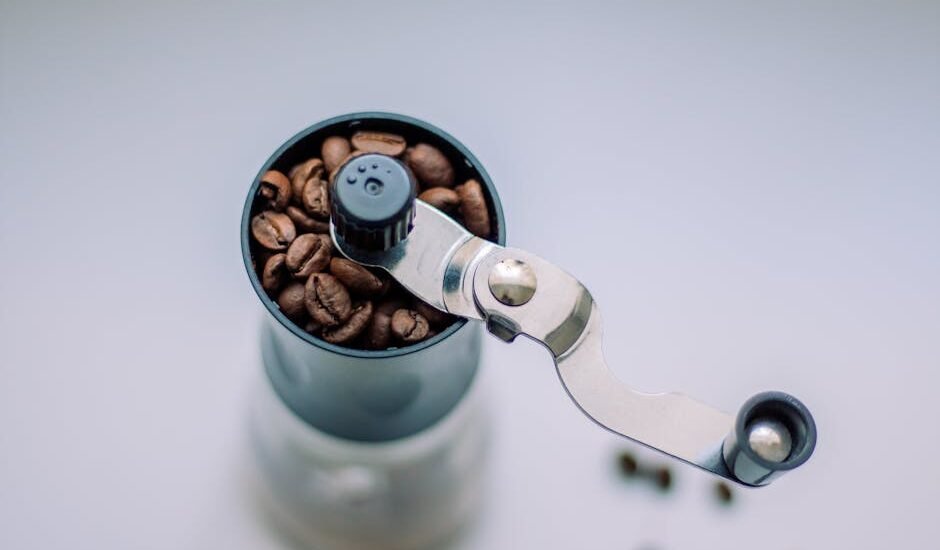
Ceramic burr grinders last longer and resist heat, but stainless steel burrs deliver sharper initial performance and are easier to maintain. The best choice depends on your brewing style, budget, and how much daily grinding you plan to do. This guide breaks down the real differences between ceramic and stainless steel coffee grinders, so you can confidently pick the right tool for your home setup—without falling for marketing hype or wasting money on the wrong features.
Side-by-side comparison: Ceramic vs stainless steel grinder types
| Category | Burr Material | Burr Size (mm) | Grind Lifespan (lbs before replacement) | Heat Resistance | Price |
|---|---|---|---|---|---|
| Manual Ceramic Burr | Ceramic | 38 mm | ~1500 | High (up to 300°C) | $ |
| Manual Stainless Burr | Stainless Steel | 38 mm | ~800 | Moderate (up to 200°C) | $ |
| Electric Ceramic Burr | Ceramic | 54 mm | ~2500 | Very High (up to 350°C) | $$$ |
| Electric Stainless Burr | Stainless Steel | 54 mm | ~1500 | Moderate (up to 220°C) | $$ |
Pricing context: $, $$, and $$$ are relative ratings against the other products listed above, not absolute dollar ranges. Live current prices follow below.
Related Guides
What really changes in your cup?
Ceramic and stainless steel burrs both crush coffee beans, but they don’t wear—or grind—the same way. Ceramic burrs stay sharp for years, especially for medium and coarse grinds. They’re common in manual and electric grinders built for longevity, and they don’t get hot as quickly during heavy use. This matters if you grind a lot of beans at once, since heat can affect coffee flavor by causing premature extraction of delicate compounds.
Stainless steel burrs, on the other hand, are razor-sharp out of the box. They slice through beans with less resistance, producing more consistent results for espresso and fine grinds. However, they’ll dull faster—usually after grinding around 800–1500 pounds of coffee, depending on use and cleaning. Stainless steel is also easier to clean and less likely to shatter if you drop the grinder or hit a stray pebble.
The practical upshot: For most home brewers making one or two cups a day, either material will do the job well. If you’re brewing espresso every morning or prepping for a crowd, stainless steel’s precision can be a big plus. If you want something that’s nearly maintenance-free and lasts for years, ceramic wins.
See today’s dealsEveryday usability: What you’ll notice (and what you won’t)
In day-to-day use, ceramic burrs are quieter and tend to produce less static cling—meaning fewer grounds stuck inside the grinder. They’re also less likely to rust, which is important if you live in a humid climate or don’t clean your grinder often.
Stainless steel burrs give a slightly “brighter” grind profile—some enthusiasts claim they amplify acidity and clarity in the cup, especially for lighter roasts. For pour-over or French press, the difference is subtle. For espresso, the more precise edge can help dial in shots, but only if your machine and technique are up to the task. Most pre-ground coffee is produced with large, industrial stainless steel grinders, so if you like that flavor profile, stainless may feel familiar.
Check current pricesLong-term durability and maintenance
Ceramic burrs are almost immune to corrosion, and their hardness means they’ll keep grinding for years with minimal loss of sharpness. However, they can chip or crack if you drop the grinder or if a hard object (like a small stone) sneaks in with your beans. Replacement burrs are often harder to find and may cost nearly as much as a new grinder.
Stainless steel burrs are more forgiving of accidents. They’ll dent rather than shatter, and replacement parts are typically easier to source. They do dull faster, especially if you grind dark, oily beans or use the grinder daily for espresso. Regular cleaning (every 1–2 weeks) will help extend their lifespan, but expect to replace them after a couple of years of heavy use.
Compare current optionsSpecifications that actually matter
Burr Size
Bigger burrs (measured in millimeters) give you more uniform grinds and faster throughput. For home use, 38mm is standard for manual grinders, while electric models often run 50–54mm. Larger burrs are especially useful for espresso or if you’re grinding for more than two cups at a time.
Burr Material
Ceramic lasts longer and is immune to rust, but can chip. Stainless steel starts sharper and is easier to replace, but will dull faster with frequent use. Both can deliver excellent results if sized and maintained properly.
Grind Range and Adjustability
Look for a grinder with at least 20–30 click or step settings if you want to brew everything from espresso to French press. Stepless adjustment (no clicks) gives more control but requires a learning curve. Some ceramic grinders have wider ranges, while stainless steel models often excel at fine adjustments for espresso.
Heat Resistance
Most home grinders won’t get hot enough to damage beans, but if you’re grinding more than 100g at a time, ceramic burrs handle heat better. This matters most for batch grinding or if you live in a very warm climate without air conditioning.
Ease of Cleaning
Stainless steel burrs wipe clean with a brush in seconds. Ceramic can hold onto oils and fines, especially with dark, oily beans, so plan to deep-clean monthly to keep flavors fresh.
FAQ: Ceramic vs stainless steel grinders
Which burr material lasts longer for home use?
Ceramic burrs typically outlast stainless steel, sometimes grinding over 1,500 pounds of coffee before needing replacement. For most home users, that means 5–10 years of service. Stainless burrs usually need replacing after 2–5 years, depending on your grinding volume and bean type.
Do ceramic burrs produce better-tasting coffee?
The taste difference is subtle and often overhyped. Ceramic burrs create a slightly smoother grind, which can help with clarity in pour-over or French press. For espresso, stainless steel’s sharpness may bring out more acidity and complexity. Most home brewers won’t notice a dramatic difference unless they’re tasting side by side.
Are ceramic burr grinders harder to clean?
Ceramic burrs can hold onto coffee oils and fines, especially from dark roasts. Regular brushing and a monthly deep clean keep them performing well. Stainless steel burrs are easier to wipe clean and don’t absorb oils, making them better for frequent, quick maintenance.
Which is safer if I accidentally grind a stone or hard object?
Stainless steel burrs are more forgiving—they might get dented, but usually won’t break. Ceramic burrs are brittle and can chip or crack if they hit a hard foreign object. If you suspect your beans have debris, stainless is the safer bet for longevity.
Ceramic vs stainless: Which is better for espresso grinding?
Stainless steel burrs are generally preferred for espresso because their sharp edges cut beans more cleanly at fine settings, producing less clumping and more consistent particle size. Ceramic burrs can still make good espresso, but may struggle with ultra-fine adjustments on some grinders.
How often do I need to replace burrs?
For home use, expect to replace stainless steel burrs every 2–5 years and ceramic burrs every 5–10 years. Heavy daily grinding, especially for espresso, will shorten these timelines. Regular cleaning and avoiding hard objects will help both types last longer.
What warranty or return issues should I consider?
Most manual and electric grinders come with a 1–2 year warranty covering manufacturing defects. However, damage from stones or improper cleaning usually isn’t covered. Before buying, check if replacement burrs are available and whether the manufacturer offers support beyond the warranty period. This can save you hassle if you plan to use your grinder for years.
Who should choose ceramic, and who should go stainless?
If you want a quiet, low-maintenance grinder for daily drip or pour-over, ceramic burrs are a solid bet. They’re nearly immune to rust, last for years, and require minimal upkeep. If espresso or fine grinding is your focus, or if you want a grinder that’s easy to clean and repair, stainless steel is the smarter pick. Either way, focus on burr size, grind adjustment, and build quality over marketing claims about “flavor superiority.”
Still deciding? View what’s available and filter by burr material, size, and adjustability to find a grinder that fits your real needs—not just a trend.
For deeper technical insights into burr materials and their properties, see this coffee science resource and explore how grind uniformity impacts extraction at Coffee Review.


Last updated: June 2026 · How we cover this topic