8 min read
Disclosure: As an Amazon Associate and eBay Partner Network publisher, we earn from qualifying purchases. This doesn’t affect what we recommend or how we describe it.
Yes, a burr coffee grinder is worth it for most home brewers who care about the taste, consistency, and control of their coffee. The difference between burr and blade grinders isn’t just marketing—burr grinders deliver a noticeably better cup, especially if you brew anything beyond basic drip. This guide breaks down what you’ll actually get for your money, where burr grinders shine, and who can skip the upgrade.
Spot the difference between burr and blade grinders
Burr grinders and blade grinders take very different approaches to grinding coffee. Burr grinders crush beans between two abrasive surfaces (the “burrs”), while blade grinders chop beans with spinning metal blades. This leads to distinct differences in grind consistency, flavor, and usability. Here’s how they stack up in the real world:
- Grind consistency: Burr grinders produce much more uniform coffee grounds, which means more even extraction and better taste. Blade grinders create a mix of powder and chunks, leading to bitter or sour flavors.
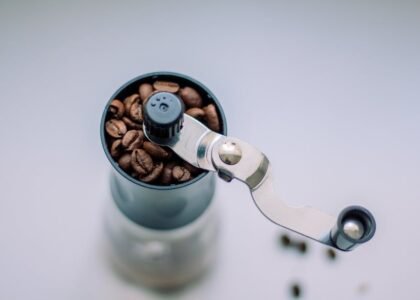
- Control: On a burr grinder, you can set your grind size—fine for espresso, coarse for French press—often with 10–40 steps or even stepless adjustment. Blade grinders offer no real control; you just pulse and hope.
- Flavor impact: The even grind from a burr grinder allows for balanced, nuanced flavors. Blade grinders can scorch coffee with heat and create harsh, muddy brews.
- Price and durability: Burr grinders cost more up front, but last longer and perform better. Blade grinders are cheap and fast, but you’ll outgrow them quickly as your palate develops.
If you care about your morning cup, the upgrade is obvious. But there’s nuance—some people genuinely don’t need a burr grinder, and some will get more value from upgrading their brewer or beans. Let’s get specific.
Compare your grinder options side by side
| Type | Grind Consistency | Grind Size Range | Burr/Blade Size | Capacity (g) | Price |
|---|---|---|---|---|---|
| Cheap Blade Grinder | Poor | Very limited (no real adjustment) | Blade: ~40 mm | 40–60 | $ |
| Entry-Level Manual Burr | Good | Espresso–French press (20–30 steps) | Burr: 38–40 mm | 20–35 | $ |
| Electric Flat Burr | Very good | Espresso–Cold brew (40+ steps or stepless) | Burr: 40–60 mm | 100–250 | $$ |
| Electric Conical Burr | Excellent | Espresso–Coarse (stepless or 40+ steps) | Burr: 40–54 mm | 120–350 | $$$ |
Pricing key: $ marks the budget tier, $$ the mid-range, $$$ the premium picks. Tiers are relative to the products in this comparison; actual prices update live below.
Choose the right grinder for your brewing style
Not everyone needs a top-shelf burr grinder. Here’s how to match your grinder to your coffee habits:
- Drip, pour-over, or French press? A manual burr grinder or a basic electric burr model is usually enough. You’ll get even grounds and a big jump in flavor clarity.
- Espresso at home? You need a grinder with fine adjustment and consistent output. Entry-level burr grinders struggle with espresso’s demands. Look for a conical or flat burr grinder with at least 40 grind settings or stepless control, and burrs of 40 mm or larger.
- Big batch brewing? Consider a grinder with a larger hopper (holds 120–350 grams) and stronger motor. Smaller manual grinders get tedious fast for more than two cups at a time.
- Travel or small kitchens? Manual burr grinders are compact, affordable, and don’t need electricity. They’re slower, but perfect for single cups or travel.
Still unsure? Compare current options to see which type fits your space and brewing style.
Skip the hype: Who doesn’t need a burr grinder?
If you brew instant coffee, use pre-ground beans, or only make one pot of basic drip coffee per week, a burr grinder may not be worth the investment. Blade grinders also make sense if you only need ground coffee for recipes or spice blends, not for drinking. But for anyone who enjoys fresh coffee and wants to taste real differences between beans, a burr grinder is a game changer.
Specifications that actually matter
Burr Size (mm)
Larger burrs (40 mm and up) grind more quickly and consistently, especially for espresso and large batches. For most home brewers, a 38–40 mm burr is a good minimum. Smaller burrs are fine for travel or single-cup use, but grind slower and can heat up, risking flavor loss.
Grind Adjustment Steps
The number of grind settings matters if you brew multiple styles. Look for at least 20 steps for drip and French press, and 40+ (or true stepless adjustment) if you make espresso. More steps mean finer control over flavor and extraction.
Retention (Grams Left in Grinder)
Retention is how much ground coffee stays trapped inside the grinder after use. Lower retention (under 2 grams) means fresher, more predictable coffee. High retention can make dialing in espresso frustrating and wastes beans.
Motor Power (Watts) for Electric Models
Stronger motors (above 100 watts) handle denser beans and larger batches without overheating or stalling. Weak motors can struggle with dark roasts or high volumes, slowing down your workflow and risking burnt flavors.
Capacity (Grams)
For single cups, a 20–30 gram capacity is enough. If you brew for a crowd or want to grind a full bag at once, look for 100 grams or more. Too large a hopper can lead to stale beans if left loaded for days.
Decide when to upgrade: Is your current grinder holding you back?
If you notice bitter, sour, or muddy flavors no matter how you tweak your recipe, your grinder may be the culprit. Uneven grind size leads to uneven extraction—some grounds over-extract and taste harsh, others under-extract and taste weak. Upgrading to a burr grinder solves this by delivering consistent particles, which makes your brew more predictable and flavorful.
Another sign: You want to experiment with different brew methods (espresso, pour-over, French press), but your current grinder can’t adjust grind size. Blade grinders simply can’t provide the range or control needed for these methods.
Ready to see what’s out there? See today’s deals on burr grinders—this is often the single biggest upgrade you can make for better-tasting coffee at home.
Related Guides
- Best Coffee Carafes Worth Buying: Our Practical Guide
- Our guide to Coffee Knock Boxes That Are Actually Worth Buying
- Our guide to Coffee Scales With Timers: Which Ones Are Actually Worth Buying?
- Our guide to Reusable Coffee Filters Worth Buying
- French Press Coffee Makers Worth Your Money
- Our guide to How to Find the Right Replacement Parts for Your Burr Grinder
- Browse all Coffee Essentials →
Make your burr grinder last: Maintenance and real-world tips
Even the best grinder won’t stay consistent without a little care. Clean your burrs every 1–2 weeks if you use oily beans or grind daily; once a month is enough for light use. Most burrs last 3–5 years in home use before needing replacement, but keep an ear out for screeching or a drop in grind quality. Always check that replacement burrs are compatible with your grinder’s make and model.
Manual burr grinders can develop a wobbly shaft over time, especially if overloaded or dropped. Electric models may develop static cling, causing grinds to fly everywhere—wiping the grounds bin with a slightly damp cloth helps.
Want to upgrade your workflow? View what’s available for grinder cleaning tools and burr replacement parts.
FAQs: Burr coffee grinders demystified
How long do burr grinders typically last at home?
Most home-use burr grinders last 3–5 years before the burrs need replacing, though the body and motor can last much longer with regular cleaning. Heavy daily users may notice a decline in grind quality sooner. Replacement burrs are usually available for reputable designs.
Is a manual or electric burr grinder better for daily use?
Manual burr grinders are great for occasional use, travel, or small kitchens. For daily brewing, especially if you make more than one cup at a time, an electric burr grinder saves time and effort. Electric models also offer more consistent results for espresso and large batches.
Burr vs blade: Which is better for French press?
Burr grinders are far superior for French press because they produce a uniform coarse grind. Blade grinders create fines (powder) and boulders, leading to over-extraction and sludge in your cup. If French press is your go-to, a burr grinder is worth the investment.
How many grind settings should I look for?
For most home brewers, 20–30 grind settings cover everything from pour-over to French press. If you want to dial in espresso, look for at least 40 settings or stepless adjustment. More settings mean finer control over flavor, but only matter if you plan to experiment.
Do all burr grinders work for espresso?
No. Many entry-level burr grinders can’t produce a fine enough or consistent enough grind for espresso. For true espresso, look for a grinder with stepless or micro-step adjustment and burrs of at least 40 mm. Always check that the grinder’s range includes a true espresso grind before buying.
What warranty or support should I expect?
Most quality burr grinders offer a 1–2 year warranty covering defects and motor failure, with some premium models offering longer coverage. Check that replacement burrs and parts are available, and read reviews for customer support experiences. Avoid designs with proprietary parts that are hard to replace.
Find trustworthy coffee advice
For more on why grinder choice matters, check out resources from CoffeeGeek, a respected authority on home coffee gear. Their hands-on tests and community feedback can help you understand the impact of grind consistency on flavor.
In short: If you want better coffee, a burr grinder is the single most important upgrade you can make. Choose a model that fits your brewing style and budget, maintain it well, and you’ll taste the difference in every cup.
Last updated: June 2026 · Our research process