
8 min read
Disclosure: As an Amazon Associate and eBay Partner Network publisher, we earn from qualifying purchases. This doesn’t affect what we recommend or how we describe it.
Does your morning cup taste better with a metal filter or a paper filter? You’re not alone—this is one of the most common questions for anyone brewing coffee at home. The answer depends on what you want in your cup: richer body, cleaner flavors, or maybe the convenience of less waste. Let’s break down the real-world differences, what you’ll need to know before buying, and how to choose the right filter for your brewing style and taste preferences.
Spot the difference between metal and paper coffee filters
| Type | Cup Clarity | Body & Oils | Reusable? | Typical Size/Spec | Price |
|---|---|---|---|---|---|
| Fine Mesh Metal Cone | Medium (some silt) | Full-bodied, retains oils | Yes (lasts 1-3 years) | Mesh 100–150 microns | $$ |
| Perforated Metal Disk | Medium-low (noticeable fines) | Very full, max oils | Yes (lasts 1-2 years) | Holes 200–400 microns | $ |
| Standard Paper Cone | High (clean cup) | Light, removes oils | No (single-use) | Paper 20–30 microns | $ |
| Thick Paper Wave | Very high (bright cup) | Lightest, max oil removal | No (single-use) | Paper 15–25 microns | $$ |
Price tiers ($/$$/$$$) read across this comparison only — they mark each product’s relative position from cheapest to priciest in the set. Actual prices live below.
Choose the right filter for your taste and setup
Here’s the heart of the debate: metal filters let more oils and microscopic coffee particles through, giving you a heavier mouthfeel and a richer, sometimes muddier cup. Paper filters act like ultra-fine sieves, catching oils and tiny grounds for a cleaner, brighter flavor profile. But there’s more to it than just taste.
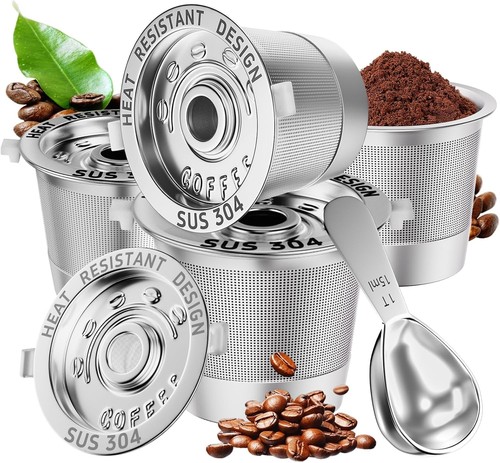
- Metal filters: Typically made from stainless steel mesh or thin perforated disks. They’re reusable, eco-friendly, and best for those who want a full-bodied brew. Expect a bit more texture—some call it “silt”—in your cup, especially with coarser mesh or disk styles.
- Paper filters: Usually bleached or unbleached cellulose. They’re single-use, disposable, and deliver a crisp, clear cup. They’re best for anyone chasing clarity, bright acidity, and easy cleanup. Paper’s tighter weave (20–30 microns for most cones) blocks almost all oils and fines.
There’s also a middle ground: some metal filters use ultra-fine mesh (as tight as 100 microns) to reduce silt, but they’ll never match the absolute clarity of paper. Likewise, thick, specialty paper filters can strip out even more oils, but they slow down your brew and may demand a finer grind.
Cost and convenience matter, too. A metal filter is a one-time buy—no need to reorder, but you’ll need to clean it after each use. Paper filters are cheap up front, but the cost adds up over time. Plus, you’ll need to keep a box on hand (and sometimes the right size can be hard to find).
Compare current options if you want to see the latest styles and mesh sizes.Understand how filter design changes your coffee
Not all filters are created equal, even within the same category. Here’s how the specs translate to your cup:
- Mesh size (metal): Standard cone mesh ranges from about 100–150 microns. Disk filters (popular in travel brewers) are often 200–400 microns—these let through the most fines and oils, leading to a heavier, grittier cup.
- Paper thickness: Standard cones use paper around 20–30 microns thick. “Wave” or “thick” papers can be as tight as 15 microns, which slows flow and removes even more oils for a tea-like clarity.
- Shape and fit: A poorly-fitted filter (too small or too big for your brewer) leads to channeling and uneven extraction. Always check your brewer’s specs for compatible filter types and sizes.
- Capacity: Metal filters typically handle 1–8 cups (120–1000 ml), depending on the brewer. Paper filters are sized to match—#2 cones for 1–4 cups, #4 for 8–12 cups, etc.
For a deep dive into how filter material affects coffee chemistry, see this resource from the National Coffee Association. You’ll find research on how oils and fines influence both flavor and texture.
See today’s deals if you’re ready to upgrade your filter setup.Clean-up, sustainability, and real-world hassle
Let’s get practical. With paper, you toss the filter and grounds after each brew—easy, but wasteful. Metal filters require a rinse after every use, plus a deeper clean every week or two to prevent clogging (a toothbrush and baking soda work well for scrubbing mesh). Over a year, a metal filter saves dozens or even hundreds of paper filters from the landfill. But you’ll need to be diligent: a clogged metal mesh can ruin your extraction or even overflow your brewer.
Paper filters are compostable (if unbleached and free from plastic), but not all localities accept them in green bins. Metal filters are recyclable at end-of-life, but that might mean a trip to a specialty recycler. For those prioritizing sustainability, metal’s reusability is the main selling point—especially for daily brewers.
On the road? Metal filters are less likely to get crushed or ruined in a travel kit, but paper is lighter and easier to pack in bulk for camping or hotels.
Check current prices for both filter types and see which fits your budget and routine.Related Guides
- Metal Filter vs Paper Filter: Which Should You Use for Better Coffee?
- Ceramic vs Stainless Steel Grinders: What’s the Real Difference?
- Manual Espresso Levers That Are Actually Worth Buying
- Our guide to Siphon Coffee Maker vs French Press: Which Brewing Method Should You Choose?
- Our guide to How to Reset a Manual Coffee Grinder: Step-by-Step Guide
- How to Prime a Coffee Machine: Step-by-Step Guide for Beginners
Quick decision tree
- If you crave a rich, heavy-bodied cup: Go with a fine mesh metal cone.
- If you want the cleanest, brightest flavor: Choose a thick paper wave filter.
- If you’re brewing for a crowd and want low hassle: Standard paper cone filters are easy and consistent.
- If you hate running out of supplies: A metal filter means no more emergency trips for paper refills.
- If sustainability is your main goal: Metal filters win for reusability, but only if you’re ready to clean them regularly.
Paper or metal—what’s the right pick for your brewing method?
The right filter can depend on your brewing gear. Pour-over cones (like classic drippers) are compatible with both metal and paper, but French press almost always uses a metal mesh plunger. Single-cup travel brewers often have custom-sized metal disks, while large drip machines typically use paper cones or baskets. Aerated or “wave” brewers rely on thick, ridged paper for a slow, even extraction—metal generally doesn’t work well here due to fit or flow issues.
If you’re using a grinder at home, remember: metal filters are less forgiving of inconsistent grind. Fines sneak through and turn your cup muddy. Paper is more forgiving—if your grinder isn’t perfect, paper will save you from excessive silt.
Some home brewers even double up—brewing with a metal filter and lining it with a paper filter for extra clarity. This isn’t necessary for most, but it’s an option if you want the best of both worlds.
FAQs: real answers for home brewers
How long does a metal coffee filter actually last?
Most stainless steel mesh filters last 1–3 years with regular use and proper cleaning. Over time, mesh can clog or warp, especially if handled roughly or exposed to hard water deposits. Ultra-fine mesh types tend to wear out a bit faster than thicker, coarser mesh.
Does a metal filter make coffee taste stronger than paper?
Metal filters let more coffee oils and fine particles into your cup, which makes the coffee taste fuller and often more intense. Paper filters produce a cleaner, lighter brew with less body and fewer oils. If you prefer a bold, rich mouthfeel, metal will deliver a stronger-tasting cup.
Which filter is better for cholesterol concerns?
Paper filters remove most diterpenes (oily compounds like cafestol) that have been linked to cholesterol levels. Metal filters allow these oils to pass through. For those specifically concerned about coffee oils and cholesterol, paper is the safer bet. For more, see Harvard Health’s overview on coffee and cholesterol.
Can I use a metal filter in any pour-over brewer?
Not always. Metal filters are shaped to fit specific drippers and sizes—using the wrong size can cause leaks or uneven extraction. Always check the diameter and shape of your brewer before buying a metal filter. Universal “cone” styles fit most V-shaped drippers, but flat-bottom or wave drippers need a precise fit.
Paper vs metal: which is easier to clean and maintain?
Paper filters are single-use and require no cleaning—just toss after brewing. Metal filters must be rinsed after each use and scrubbed periodically to avoid clogging. A neglected metal filter can develop stubborn oil build-up that affects flavor and flow, so regular cleaning is key.
What’s the cost difference over a year of daily brewing?
Metal filters cost more up front but pay off after about 2–3 months of daily use. Paper filters are cheaper individually but add up over time—using one per day means buying 300–365 filters each year. Over a year, metal is usually the more economical choice for frequent brewers.
Which filter is better for travel or camping?
Paper filters are lighter to pack and can be disposed of easily, but they’re vulnerable to crushing and must be kept dry. Metal filters are more durable, reusable, and handle rough travel well, but require cleaning with water after each use. For remote camping, paper may be easier; for road trips, metal is often more convenient.
Bottom line: match your filter to your coffee goals
The best filter is the one that fits your taste, routine, and values. Metal filters give you a robust, oily cup and cut down on waste, but demand regular cleaning. Paper filters guarantee clarity and easy cleanup, but create more trash and recurring cost. Try both if you can—your palate (and your morning routine) will tell you which style wins out. For most home brewers, it’s not about which filter is “better”—it’s about which one makes your favorite coffee, day after day.



Last updated: June 2026 · Our research process