7 min read
Disclosure: As an Amazon Associate and eBay Partner Network publisher, we earn from qualifying purchases. This doesn’t affect what we recommend or how we describe it.
Which brewing method actually delivers the cup you want: the dramatic siphon coffee maker or the humble French press? You’re not alone in wanting a clear, practical answer—especially if you care about taste, usability, and value for money. Here’s a no-nonsense breakdown of how these two methods stack up, what you can expect in real-world use, and which is right for your kitchen.
Siphon Coffee Maker vs French Press: Side-by-Side Comparison
| Method | Brewing Capacity | Brewing Time | Cleanup Difficulty | Price | Typical Brew Temp (°F) |
|---|---|---|---|---|---|
| Glass Siphon Setup | 10–20 oz | 6–8 min | High | $$$ | 195–205 |
| Stovetop Siphon | 12–24 oz | 7–10 min | High | $$ | 195–205 |
| Standard French Press | 12–34 oz | 4–6 min | Low | $ | 195–205 |
| Insulated French Press | 20–48 oz | 4–6 min | Low | $$ | 195–205 |
$ / $$ / $$$ indicates budget / mid-range / premium relative to the picks above. Check live listings further down for current prices.
Related Guides
- Our guide to Siphon Coffee Maker vs French Press: Which Should You Choose?
- Top French Press Coffee Makers Worth Your Money
- How to Preheat a French Press for Better Coffee
- AeroPress vs French Press: Which Makes Better Espresso-Style Coffee?
- Choosing the Right Grinder for French Press Coffee
- Our guide to How to Descale a Drip Coffee Maker: A Step-by-Step Guide
Brewing Rituals: What You’re Signing Up For
French press brewing is as simple as it gets: add coarsely ground coffee, pour in hot water, stir, steep for four minutes, and plunge. Cleanup involves dumping the grounds and rinsing the mesh filter. Most people can go from beans to cup in under ten minutes, even on sleepy mornings.
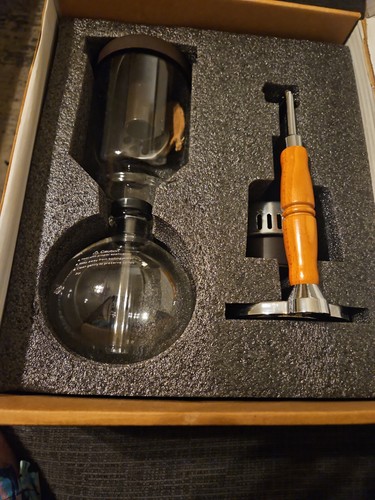
Siphon coffee makers are another story. You’ll need to assemble the device, heat water (usually with a butane burner or stovetop), add coffee at just the right time, stir, watch for the dramatic “vacuum” drawdown, and then disassemble for cleaning. It’s a showpiece, not a grab-and-go brewer. Expect 15–20 minutes total, including setup and cleanup, and a learning curve for getting repeatable results.
Flavor Differences: Clean and Bright vs. Rich and Hearty
Siphon brewers extract coffee using full immersion and a cloth or metal filter, producing a cup that’s clean, aromatic, and layered. Think tea-like clarity with pronounced floral or fruity notes. The high brewing temperature (typically 195–205°F) and agitation result in excellent extraction, but you’ll need a precise grind—usually medium—to avoid overextraction or sediment.
French press coffee is heavier, with a full body and deep, bold flavors. The metal mesh filter lets fine particles and oils pass through, giving the brew a textured mouthfeel and more pronounced chocolate or nutty notes. You’ll want a coarse grind (about 800–1000 microns) to avoid muddy sludge, and a coffee-to-water ratio of around 1:15 is a good starting point for most presses.
Gear Needed: What’s on Your Countertop?
- Siphon setup: Siphon brewer (glass or stovetop), heat source (alcohol, butane, or stovetop), cloth or metal filter, stirrer, and a burr grinder capable of consistent medium grind (500–700 microns).
- French press: French press pot, kettle, and a burr grinder for coarse grind. That’s it.
Siphon kits take up more space, and the glass models can be fragile. French presses are compact, travel well, and are less likely to break with normal use.
Maintenance: Cleanliness and Longevity
Siphon coffee makers require thorough cleaning after every use, especially if you use a cloth filter. These filters need to be boiled or stored wet to prevent odors and mold, adding another layer of maintenance. Glass parts are prone to breakage if handled roughly.
French presses are easy to care for. Rinse out the grounds, wash the filter and plunger, and you’re done. If you want to keep your press in top shape, occasionally disassemble the filter for a deep clean. Stainless steel and plastic models are nearly indestructible with normal use.
Quick decision tree
- If you want the cleanest, most aromatic cup: Go for a siphon brewer.
- If you need to brew for several people at once: An insulated French press offers the largest batch sizes.
- If low-maintenance cleanup is a must: French press wins, hands down.
- If you like coffee gear that’s a conversation starter: The theatrical siphon setup is unbeatable.
- If price is your dealbreaker: Standard French presses are the most budget-friendly option.
Who Should Choose a Siphon Coffee Maker?
Siphon brewers are for those who love the process as much as the coffee. If you want to experiment, impress guests, or dig into the science of extraction, it’s a rewarding (if sometimes fussy) method. The resulting cup is exceptionally clean, with a complexity you don’t find in most immersion brewers. Just know you’ll spend more time and money for the experience.
Ready to upgrade your brewing game with a siphon setup? Check current prices.
Who Should Choose a French Press?
French presses are ideal if you want a rich, bold cup without fuss. They’re forgiving, affordable, and perfect for brewing multiple cups at once. Cleanup is quick, and you don’t need special filters or a burner. Most home brewers start here for a reason—it’s hard to beat the combination of simplicity and flavor.
Thinking about getting your first French press or upgrading to a larger insulated model? See today’s deals.
What About Brew Consistency?
French presses are more forgiving of minor grind and dose errors. Siphon brewers, on the other hand, reward precision—small changes in grind size or timing can noticeably change the cup. If you’re chasing perfect repeatability, the learning curve with a siphon is steeper, but also more rewarding for tinkerers.
Still undecided? Compare specs, capacities, and prices on the latest models before you commit: Compare current options.
FAQ: Siphon Coffee Maker vs French Press
How long does it take to brew with a siphon coffee maker?
From setup to cleanup, expect 15–20 minutes. The actual brewing phase is about 6–8 minutes, but heating water and assembling parts add extra time. This is longer than a French press, which typically takes under 10 minutes start to finish.
Which method is better for highlighting light roast coffees?
Siphon brewers excel with light roasts, extracting delicate floral and fruity notes thanks to their high brewing temperature and filtration. French presses tend to mute these flavors with heavier body and more solids in the cup.
How coarse should I grind coffee for French press vs siphon?
French press works best with a coarse grind (around 800–1000 microns). Siphon brewers need a medium grind (500–700 microns) for optimal extraction and clarity. Too fine, and the siphon can clog; too coarse, and you’ll under-extract.
Which is easier to clean: siphon or French press?
French presses are much easier to clean—just rinse and go. Siphon brewers have more parts, and cloth filters require extra attention to avoid off-flavors or mold. If you dread washing up, stick with the French press.
Will a siphon coffee maker break easily?
Glass siphon brewers are fragile and can crack if dropped or exposed to rapid temperature changes. Stovetop siphons are a bit sturdier but still require care. French presses made of stainless steel or plastic are much more durable in everyday use.
Siphon coffee maker vs French press—what’s better for large batches?
French presses come in larger sizes—up to 48 oz—making them better suited for brewing multiple cups at once. Most siphon setups max out at around 20–24 oz, so they’re not ideal for serving a crowd.
What’s the typical warranty or return policy on these brewers?
Most French presses and siphon brewers offer a one-year warranty against manufacturing defects, though coverage varies. Always check with the seller before buying, and keep your proof of purchase in case you need to claim a replacement or repair.
Final thoughts: Which method fits your morning?
Siphon coffee makers and French presses both have their place in a home brewer’s lineup. If you crave clarity and ritual—and don’t mind a learning curve—the siphon is a rewarding investment, though it’s best for solo or small-batch brewing. The French press is unbeatable for everyday convenience, rich flavor, and brewing for a crowd. Either way, investing in a quality burr grinder and fresh beans will make the biggest difference in your cup.
For more on coffee brewing science and techniques, check out the National Coffee Association or the Wikipedia guide to coffee preparation.


Last updated: June 2026 · How we cover this topic