7 min read
Disclosure: As an Amazon Associate and eBay Partner Network publisher, we earn from qualifying purchases. This doesn’t affect what we recommend or how we describe it.
Why do so many entry-level espresso machines come with a basket that looks different from the ones you see in café tutorials? You’re likely staring at a pressurized basket and wondering what it actually does—and whether it’s helping or holding you back. Here’s the practical answer: a pressurized basket is a type of filter basket for espresso machines that makes it easier to get a crema-topped shot, even with a basic grinder or pre-ground coffee. But there’s a lot more under the surface. Let’s break down how these baskets work, why they exist, and what you need to know before you start—or stop—using one.
Spot the difference: Pressurized vs. non-pressurized baskets in practice
To understand why pressurized baskets exist, it helps to see what they do differently from the “standard” baskets you’ll find in most café setups. Here’s a quick rundown:
- Pressurized baskets have a single tiny hole or a double wall with a restricted outlet. This design “pressurizes” the flow, forcing water through the coffee at higher pressure regardless of grind size or tamp. The result: more crema, fewer sour or watery shots, even with less-than-ideal coffee or grind.
- Non-pressurized baskets (sometimes called “single wall” or “traditional” baskets) have hundreds of small holes in the bottom. These demand a fine, consistent grind and careful tamping, but reward you with more control and nuance if you get things right.
The main reason pressurized baskets exist: they’re a shortcut to better-looking (and sometimes better-tasting) espresso for beginners or anyone using pre-ground coffee.
Compare the main espresso basket setups
Below is a side-by-side comparison of the most common espresso filter basket categories you’ll see at home. Each has a place, depending on your grinder, beans, and how much effort you want to put in.
| Configuration | Typical Hole Design | Recommended Grind Size | Pressure Tolerance (bars) | Ease of Use | Price |
|---|---|---|---|---|---|
| Pressurized (Double Wall) | Single small exit or double wall | Fine to medium (600–1000 microns) | Up to 15 bar | Very easy | $ |
| Non-Pressurized (Single Wall) | Dozens to hundreds of tiny holes | Fine (300–600 microns) | 9 bar recommended | Challenging | $ |
| Pod Basket Adapter | Specialized for pods, often pressurized | Pre-packed pod | Up to 19 bar | Easiest | $$ |
| Bottomless Basket | Open, no spout—exposes extraction | Fine (300–500 microns, uniform) | 9 bar | Advanced | $$$ |
Related Guides
- Our guide to Gooseneck Electric Kettles That Are Actually Worth Buying
- Our guide to Coffee Grinder Retention Explained: What It Means and Why It Matters
- Best Automatic Drip Coffee Makers for Effortless Brewing
- Our guide to Coffee Carafes Worth Buying: Our Practical Guide
- Our guide to Coffee Maker vs. Moka Pot: What’s the Real Difference?
- French Press Coffee Makers Worth Your Money
- Browse all Espresso & Milk →
Choose the right basket for your grinder and beans
The best basket isn’t about status—it’s about matching your equipment and your goals. Here’s how to decide:
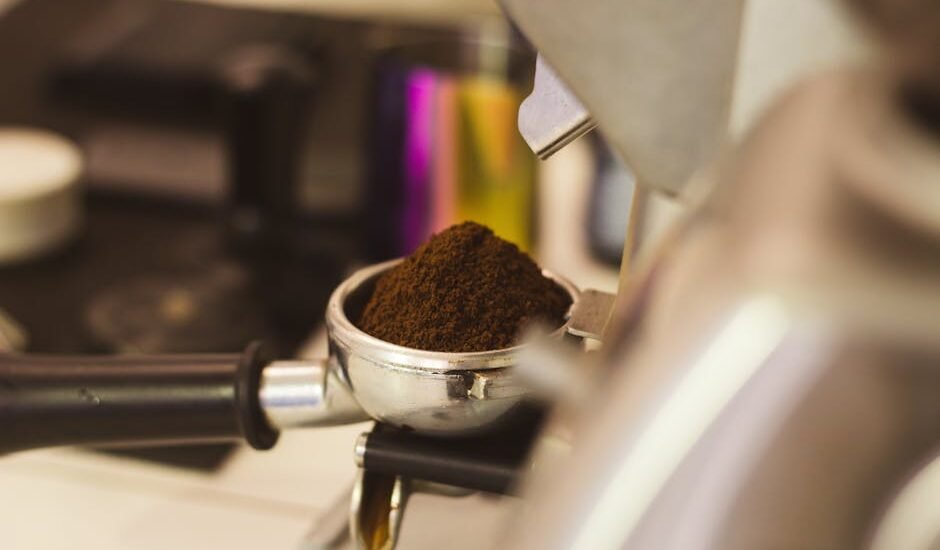
- Using a basic blade grinder or pre-ground coffee? Stick with a pressurized basket. The extra pressure compensates for uneven or coarse grinds, and you’ll get a visually pleasing crema even if your beans are a bit stale.
- Own a quality burr grinder (40mm+ flat or conical burrs) and buy fresh beans? You’ll get more nuanced flavor and better control with a non-pressurized basket—but only if you dial in your grind size and tamp consistently.
- Prefer convenience or use pods? Pod basket adapters are purpose-built, but you’re locked into pod formats and miss out on experimenting with grind and dose.
- Curious about your technique? Bottomless baskets are unforgiving but educational. They show every flaw in your puck prep, from channelling to uneven tamp.
For most beginners, a pressurized basket is a smart starting point. You can always upgrade to a non-pressurized basket once your grinder and technique improve. See today’s deals on compatible basket sets to make the switch when you’re ready.
How a pressurized basket actually works
Instead of relying on the fine grind and puck resistance to build up pressure, a pressurized basket uses a mechanical restriction—usually a single pinhole or a secondary wall with a tiny outlet. Here’s what happens step by step:
- You add coffee (often a coarser grind or even pre-ground supermarket beans) and tamp lightly.
- As the machine pumps water, the built-in restriction forces water through the coffee at a higher pressure, regardless of grind fineness or tamping skill.
- This extra pressure helps emulsify more oils, trapping gas and producing a thick, foamy crema—even if the coffee or grind isn’t perfect.
The downside? This “fake” crema can look impressive but often lacks the rich flavor and texture you get from a carefully dialed-in shot using a non-pressurized basket. Still, for anyone who doesn’t have a high-end grinder, it’s a practical, frustration-free solution.
What are the trade-offs? Real-world pros and cons
- Pros:
- Makes good-looking espresso with almost any grind
- Forgiving of mistakes in tamping or dosing
- Great for pre-ground or supermarket beans
- Reduces frustration for beginners
- Cons:
- “Crema” is mostly foam, not true microbubbles
- Limits control over extraction variables (grind, dose, tamp)
- Can mask stale flavors or poor-quality beans
- Upgrading your grinder will mean outgrowing the basket
This is why many home coffee enthusiasts eventually switch to a non-pressurized basket as their grinder and skills improve. But there’s no shame in starting with a pressurized basket if it gets you enjoying espresso at home.
Quick decision tree
- If your grinder can’t go fine enough or is inconsistent: Use a pressurized basket for best results.
- If you want to experiment with flavor and have a quality burr grinder: Try a non-pressurized basket.
- If you only use pods: Stick with a pod adapter basket.
- If you’re troubleshooting channeling or want to perfect your technique: Consider a bottomless basket (with a good grinder).
- If budget is tight and you’re just getting started: The included pressurized basket is usually the most forgiving choice. Check current prices on entry-level espresso kits.
Clean and maintain your pressurized basket for best results
Pressurized baskets can clog with coffee oils and fines, especially in the tiny exit hole that creates the pressure. To keep your shots flowing, soak the basket regularly in a solution of hot water and espresso machine cleaner. Use a pin or toothpick to clear the hole if you notice slower flow or sputtering. For more cleaning tips, see resources from the National Coffee Association on maintaining home coffee equipment.
Upgrade paths: When to switch to a non-pressurized basket?
Here’s the honest answer: you’ll know it’s time to upgrade when you want more control over your espresso’s flavor—or when you invest in a grinder that can produce a consistent, fine grind (usually below 500 microns). The switch isn’t just about ego. Non-pressurized baskets can deliver more sweetness, complexity, and mouthfeel—but only if the rest of your setup is up to the task. If you’re curious, most machines that include a pressurized basket also accept standard 51mm or 58mm non-pressurized baskets. Compare current options to find a set that fits your portafilter size.
FAQs about pressurized baskets
Does a pressurized basket work with pre-ground coffee?
Yes, that’s exactly what it’s designed for. Pressurized baskets compensate for the coarser, less consistent grind you get from pre-ground coffee, making it possible to extract a crema-topped shot without a high-end grinder.
How often should I clean a pressurized basket?
Clean it thoroughly at least once a week if you use your machine daily. The tiny exit hole can clog with coffee oils and fines, which will affect pressure and shot quality. Soaking in hot water with espresso cleaner and using a pin to clear the hole helps keep it working smoothly.
Pressurized vs. non-pressurized basket — which is better for beginners?
Most beginners get more consistent results with a pressurized basket, especially if using a basic grinder or pre-ground beans. You can focus on learning the basics before moving on to the more demanding non-pressurized style.
Will upgrading my grinder make a pressurized basket obsolete?
If you upgrade to a burr grinder that can produce a fine, even grind (typically 300–500 microns), you’ll get better results from a non-pressurized basket. The pressurized basket can still be useful for travel or when using less-than-ideal beans, but most enthusiasts eventually switch.
Are pressurized baskets compatible with all espresso machines?
Not always. Most entry-level and mid-range home machines include a pressurized basket, but portafilter sizes vary—commonly 51mm, 54mm, or 58mm. Always check your portafilter diameter and shape before buying a replacement or upgrade basket. View what’s available for your machine’s size.
How long does a pressurized basket last?
A pressurized basket can last for years if cleaned regularly and not dropped or damaged. The main failure point is clogging in the pressure hole, which is usually fixable with cleaning unless the basket is bent or corroded.
Find more guidance from trusted sources
For further reading on espresso machine parts and maintenance, consult the National Coffee Association or explore in-depth guides from established consumer publications like Consumer Reports. These resources offer unbiased advice and practical tips for home coffee gear.
Choosing the right basket is about matching your gear and expectations. Start with what works for your setup today—you can always upgrade your basket as your skills and equipment evolve.
Last updated: May 2026 · How we cover this topic