Disclosure: As an Amazon Associate, we earn from qualifying purchases. This doesn’t affect what we recommend or how we describe it.
7 min read
Pour over coffee hits the sweet spot for many home brewers: it’s hands-on, affordable, and rewards a bit of care with a clean, nuanced cup. But with all the kits out there—drippers, grinders, kettles, filters—it’s easy to get bogged down in choices, especially when starting out. The best pour over kit for beginners isn’t just about buying gear; it’s about building confidence and enjoying great coffee, without the frustration of mismatched parts or tools you’ll outgrow in a month. For more detail, see Specialty Coffee Association brewing standards.
What Matters Most in a Beginner Pour Over Kit?
For beginners, a pour over kit should hit three marks: simplicity, consistency, and upgrade potential. Each piece should be easy to use, forgiving of mistakes, and deliver results that encourage you to keep brewing. Here’s what to look for: For more detail, see NIST guidance on kitchen scales.
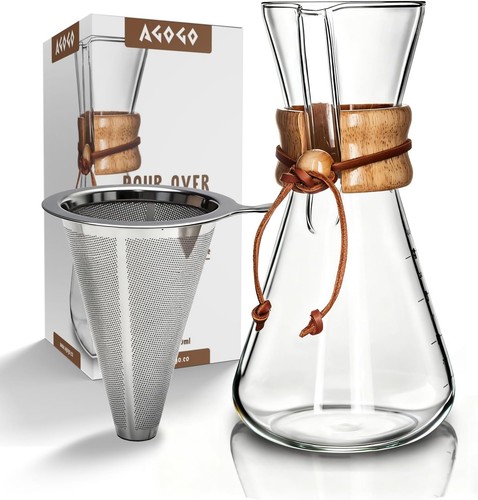
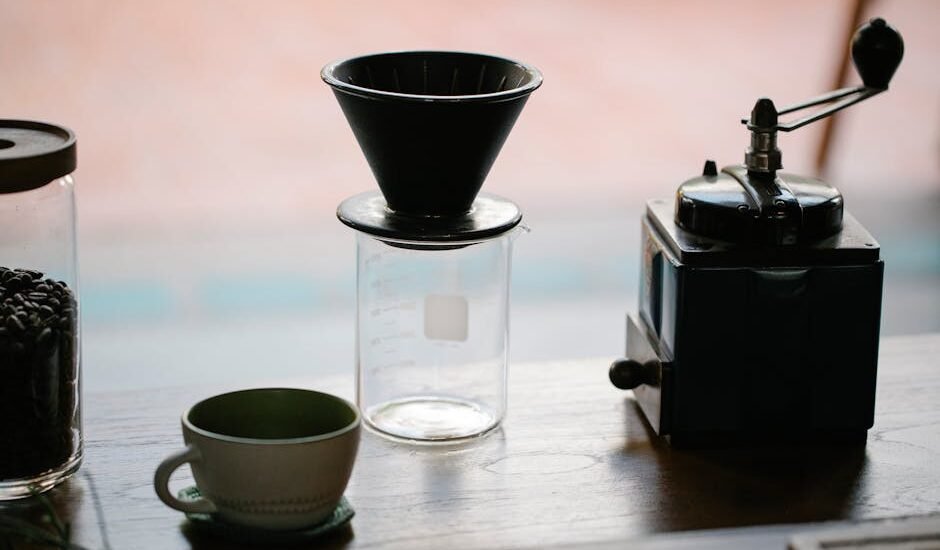
- Dripper Design: Cone-shaped drippers (like the classic 60-degree angle) with a single large hole make it easier to control flow and experiment with grind size. Flat-bottom drippers are even more forgiving, but may mute some flavor clarity.
- Filter Compatibility: Bleached paper filters tend to produce the cleanest cup and are widely available. Look for kits that use standard sizes (e.g., #2 or #4 cone filters, or 185mm flat-bottom filters).
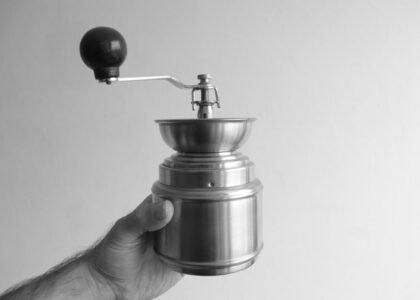
- Grinder Quality: Burr grinders are non-negotiable for good pour over. For beginners, a hand grinder with 38–40mm conical burrs gives you control without breaking the bank. Some kits include blade grinders—these are cheap, but uneven and best skipped.
- Kettle Control: A gooseneck spout is crucial for pouring control. Entry-level electric kettles often have temperature presets (e.g., 195–205°F / 90–96°C), while stovetop models are cheaper but require a thermometer for accuracy.
- Scale Accuracy: Look for a digital scale with 0.1g resolution and at least 500g capacity. Some kits include basic 1g-precision scales, which are usable but less precise for dialing in ratios.
Looking for the current generation with manufacturer warranty intact? Amazon’s new stock is the safest bet.
Browse on Amazon →Side-by-Side: Top Beginner Pour Over Kits Compared
| Kit Name | Dripper Type | Grinder Burr Size | Kettle Temp Range | Scale Precision | Filter Type | Typical Price Range |
|---|---|---|---|---|---|---|
| Classic Cone Starter Set | 60° Cone, 1-hole | Hand, 38mm conical | Stovetop, no temp control | 1g increments, 1000g max | #2 bleached paper | $55–$75 |
| Flat-Bottom Beginner Bundle | 185mm Flat-bottom | Electric, 40mm conical | Electric, 195–205°F presets | 0.1g increments, 2000g max | 185mm wave paper | $120–$160 |
| Travel-Friendly Compact Kit | Collapsible silicone cone | Hand, 38mm conical | None (for use with any kettle) | None included | #2 unbleached paper | $35–$50 |
| Premium Beginner Pour Over Set | Glass 60° Cone, spiral ribs | Hand, 40mm steel conical | Electric, variable 140–212°F | 0.1g increments, 2000g max | #2 bleached paper | $180–$220 |
Each kit above covers the basics, but with different trade-offs on price, precision, and upgrade path. If you’re aiming for the best value and don’t mind a bit of manual work, the Classic Cone Starter Set delivers reliable results with minimal fuss. The Flat-Bottom Beginner Bundle is more forgiving and includes a precise grinder and kettle—ideal if you want to avoid early upgrade regret. For travel or minimalists, the Compact Kit strips things down but still beats hotel coffee by a mile. The Premium Set brings café-like control to your kitchen, but comes at a higher price.
See today’s dealsBeginner Mistakes to Dodge with Your First Pour Over Kit
Most pour over frustrations come from mismatched gear or skipping the basics. Here are the pitfalls to avoid:
- Blade grinders ruin consistency: They chop beans rather than grind, leading to uneven extraction and muddy flavors. Even the cheapest burr grinder is a step up.
- Missing a scale: Eyeballing grounds or water leads to wild cup-to-cup swings. A $15 digital scale with 0.1g accuracy is more important than a fancy kettle.
- Wrong filter size: Each dripper needs a specific filter. #2 cones and 185mm flat-bottoms are the most common. Using the wrong one leads to leaks or overflows.
- Cheap plastic drippers can impart flavor: Look for BPA-free or food-grade options if you go plastic. Glass or ceramic is heavier but neutral-tasting.
- Ignoring water temperature: Pour over shines at 195–205°F (90–96°C). Too cool and your cup is sour; too hot and it’s bitter. If your kettle isn’t adjustable, use a thermometer or let boiling water sit for 30 seconds before brewing.
How to Choose the Right Pour Over Kit for Your First Year
Think through where and how you’ll brew most often. Do you want a countertop setup for daily use, or something portable for travel? Are you happy with manual grinding, or do you want plug-and-play convenience? Here’s a quick roadmap:
- For home use: Go for a kit with a sturdy dripper (glass or ceramic), a burr grinder (hand or electric), a gooseneck kettle with temp control, and a digital scale. You’ll outgrow plastic and blade grinders fast.
- For travel or dorms: A collapsible cone, hand grinder, and a pack of filters fit in a backpack. Use any kettle you have access to—just mind water temperature.
- For tight budgets: Start with a cone dripper, hand burr grinder, and a cheap but accurate scale. Use your stovetop kettle and a thermometer until you’re ready to invest in an electric gooseneck.
Upgrading Your Kit: What’s Worth It, and What’s Not?
Once you’ve brewed for a few months, you’ll start to notice what holds you back. Here’s where upgrades make a real difference—versus what’s mostly hype:
- Upgrade your grinder first: The leap from a basic hand grinder to a precision electric burr (with 40mm or larger burrs, and micro-adjustment steps) makes dialing in flavor much easier.
- Kettle with variable temperature: The jump from “boil and guess” to digital control (ideally with 1°F/0.5°C accuracy) means sweeter, more balanced cups—especially with lighter roasts.
- Scale with timer: Not essential, but handy for tracking brew times and consistency. Look for scales with at least 0.1g precision and a 2kg max load.
- Don’t overspend on drippers: Once you’ve got a good cone or flat-bottom, most flavor improvements come from grind and technique, not fancier materials or gimmicks.
- Skip expensive branded filters: Standard bleached paper does the job for 99% of home brewers. Only switch if you’re chasing a specific flavor profile or mouthfeel.
Looking for the current generation with manufacturer warranty intact? Amazon’s new stock is the safest bet.
Compare Options on Amazon →FAQs: Pour Over Kits for Beginners
Do I really need a burr grinder for pour over, or can I use pre-ground coffee?
Pre-ground coffee loses flavor fast and is usually too fine or uneven for pour over. A burr grinder, even a basic hand model with 38–40mm conical burrs, gives you fresh, even grounds and a huge jump in cup quality. If you must use pre-ground, buy in small amounts and use it quickly, but expect less clarity and sweetness.
How important is water temperature for pour over coffee?
Water that’s too hot or too cold will ruin your brew. Aim for 195–205°F (90–96°C). If your kettle isn’t adjustable, let boiling water cool for 30–45 seconds before pouring. Consistent temperature makes dialing in your recipe much easier, especially with lighter roasts.
What size dripper should I get as a beginner?
#2 cone drippers brew 1–2 cups and are perfect for most beginners. Flat-bottom drippers in the 185mm size work well for 1–3 cups. Larger sizes are great for entertaining but harder to dial in for solo brewing.
Are glass or ceramic drippers better than plastic?
Glass and ceramic are neutral-tasting and retain heat well, which helps with extraction. Plastic is lightweight and heats up quickly, but can impart flavors if it’s low-quality. If you go plastic, look for BPA-free, food-grade options.
How much should I expect to spend on a good beginner pour over kit?
Expect to spend $50–$80 for a solid basic kit (hand grinder, cone dripper, filters, simple scale). For electric grinders or kettles with temp control, budget $120–$220. More expensive kits mostly add convenience and minor tweaks, not leaps in cup quality.
Can I use regular kitchen scales and kettles for pour over?
You can start with a basic kitchen scale, but 1g increments are less precise for dialing in coffee-to-water ratios. Any kettle works in a pinch, but a gooseneck spout gives you the pouring control that really unlocks pour over’s potential.
Final Thoughts: Making the Right Choice for Your Coffee Journey
The best pour over kit for beginners is the one that makes brewing simple, repeatable, and enjoyable—without weighing you down with unnecessary extras. Start with a reliable dripper, a decent burr grinder, a gooseneck kettle, and a digital scale. Upgrade only when you know what’s holding you back, not because the internet says so. Great coffee at home is more about practice than price tag, and a well-chosen beginner kit will serve you well for years.
Related Guides
- Pour Over vs Drip Coffee Makers: Which Brewing Method Is Right for You?
- How to Calibrate a Coffee Scale: A Step-by-Step Guide
- Our guide to Espresso Machine vs Moka Pot: What’s the Real Difference?
- Choosing the Right Grinder for French Press Coffee
- How to Find the Right Replacement Parts for Your Burr Grinder
- Browse all Buying Guides →