8 min read
Disclosure: As an Amazon Associate and eBay Partner Network publisher, we earn from qualifying purchases. This doesn’t affect what we recommend or how we describe it.
Which manual coffee grinder actually delivers the best grind for your favorite brew—without wrecking your wrist or breaking the bank? You want a grinder that fits your morning routine, delivers consistent results, and stands up to daily use. Whether you’re upgrading from a blade grinder, looking for a travel companion, or chasing espresso-level precision, understanding the real differences between manual grinders will save you time, money, and frustration. Let’s break down what matters, compare the main options, and help you find the right fit for your kitchen or campsite.
The real-world differences between manual coffee grinders
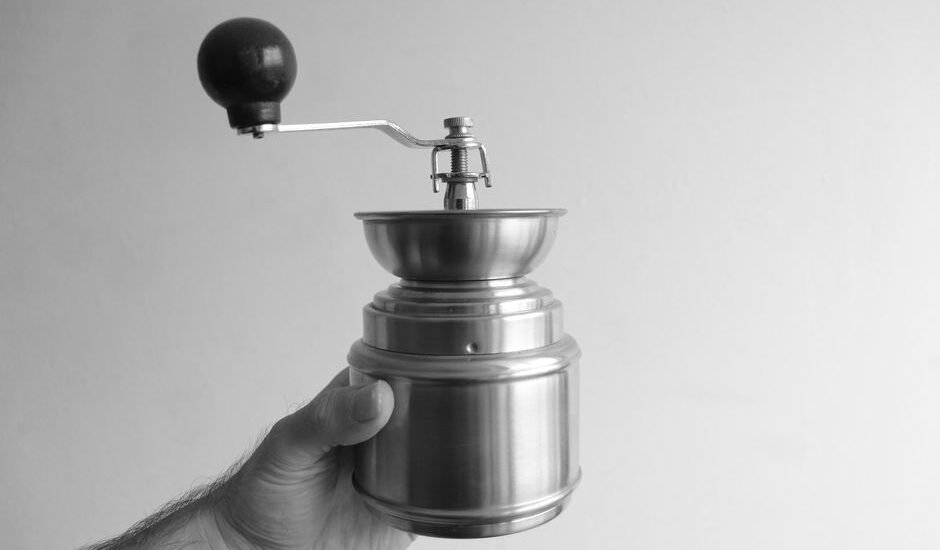
Manual coffee grinders might look similar at first glance, but their performance, usability, and durability vary widely. The most important differences come down to three things: burr type and size (which determines grind uniformity), adjustment mechanism (how repeatable and precise your settings are), and build quality (which affects longevity and daily comfort).
Manual grinders use either conical or flat burrs, usually with a diameter between 28mm and 48mm. Larger burrs grind faster and more evenly, but add size and weight. Entry-level models often use steel burrs around 30-38mm, while premium options push 40mm or more and sometimes use coated or high-nitrogen steel for better edge retention. Grind adjustment can be stepped (fixed clicks) or stepless (infinite positions), and the difference matters especially for espresso drinkers who need micro-adjustments.
Other practical features include capacity (how many grams of beans you can load), handle design, and portability. Some grinders are under 400g and fit in a bag, while others are built for home use and weigh over 700g. If you want to grind for a 12-ounce Chemex, you’ll need at least a 35g hopper. For single espresso shots, 18g is plenty. Now, let’s see how these options stack up side by side.
Manual coffee grinder comparison: Key types and how they stack up
| Grinder Category | Burr Size (mm) | Grind Adjustment | Capacity (g) | Weight (g) | Price |
|---|---|---|---|---|---|
| Entry-Level Conical | 28–34 | Stepped, 12–18 clicks | 24–30 | 310–400 | $ |
| Travel-Sized Compact | 30–38 | Stepped, 10–16 clicks | 20–24 | 250–320 | $ |
| Premium Espresso-Ready | 38–48 | Stepless or 30+ clicks | 30–40 | 550–750 | $$$ |
| High-Capacity Pour-Over | 38–42 | Stepped, 18–24 clicks | 35–50 | 510–650 | $$ |
Price: $ = budget, $$ = mid-range, $$$ = premium — relative to the options compared above. Live prices and current stock are below.
What makes manual grinders worth it for home use?
Manual coffee grinders give you direct control over grind size and freshness without relying on electricity or motors. For home brewers, this means better flavor from freshly ground beans, less noise, and lower maintenance. You can dial in your grind for French press, pour-over, or even espresso—if your grinder is precise enough. Manual grinders also tend to last longer since there are fewer moving parts to break. With decent care, a steel-burr hand grinder can easily last 5–10 years or more, especially if you avoid rocks in your beans and clean it every few weeks.
Most importantly, manual grinders let you upgrade your brew quality without the sticker shock of high-end electric grinders. The best manual models under the “Premium Espresso-Ready” or “High-Capacity Pour-Over” categories above can rival electric grinders costing two to three times as much. Check current prices to see what’s available in your preferred tier.
Related Guides
- Manual Coffee Grinders for Home Brewing: A Practical Buyer’s Guide
- Ceramic vs Stainless Steel Coffee Grinders: Which Should You Choose?
- Our guide to How to Reset a Manual Coffee Grinder: Step-by-Step Guide
- Manual Milk Frothers for Coffee: What to Know Before You Buy
- The Best Conical Burr Grinders for Great Drip Coffee at Home
- Our guide to Automatic vs Manual Milk Frothers: Which Should You Choose?
Quick decision tree
- If budget is the top concern: Entry-Level Conical is your best bet—affordable, reliable for drip and French press, and usually under 400g.
- If you need something ultra-portable: Travel-Sized Compact fits in a bag, weighs less than a pound, and handles single-cup brewing.
- If you’re chasing espresso precision: Premium Espresso-Ready delivers stepless or ultra-fine adjustment and consistent fine grinds.
- If you brew for a crowd or love pour-over: High-Capacity Pour-Over can handle 35–50g in one go—perfect for Chemex or batch brewing.
- If ease of cleaning is your main concern: Most premium models feature tool-free disassembly; check for removable burr sets in specs.
Why burr size and adjustment style matter more than looks
It’s tempting to pick a grinder based on aesthetics or brand buzz, but burr size and adjustment mechanism have a bigger impact on your coffee. A 28mm burr set will grind slowly and may struggle with uniformity, especially at espresso fineness. Jumping up to 38mm or 42mm burrs, you’ll notice faster grinding and fewer fines (dusty particles), which means cleaner cups and more even extraction.
Adjustment style is just as important. Stepless adjusters let you fine-tune for espresso, but can be fiddly for beginners. Stepped adjusters are easier to use and more repeatable, but may not get “just right” for every brew method. If you rarely switch between brew styles, either system works. If you jump between Aeropress, moka pot, and espresso, look for a grinder with at least 20–30 adjustment points. For more insight on burr geometry and adjustment, see Home-Barista’s grinder guides.
Durability and maintenance: What to expect over years of use
A well-built manual grinder is a long-term investment. Look for models with stainless steel or titanium burrs, metal (not plastic) bodies, and solid axles. Plastic parts can wear or break, especially in the handle or adjustment mechanism. A quality unit will feel smooth and have minimal side-to-side burr play. Expect to clean your grinder every 2–4 weeks if you use it daily—most models can be disassembled without tools, but double-check before buying. If a grinder offers a two-year warranty, that’s a good sign the manufacturer stands behind its durability. Compare current options by checking warranty and spare parts availability before you buy.
How manual grinders perform for espresso, pour-over, and French press
Consistency is the name of the game. Entry-level and compact grinders can easily handle pour-over and French press, producing a medium or coarse grind with little effort. For espresso, you need a grinder that can deliver a fine, uniform grind without excessive fines or clumping. Only the “Premium Espresso-Ready” category above can reliably hit this mark, thanks to larger burrs and finer adjustment. If you plan to use a manual grinder exclusively for espresso, expect to spend more and put in extra effort—grinding 18g for a double shot can take 60–90 seconds and a fair bit of elbow grease. For larger batch brewing, high-capacity models are best, as smaller ones require multiple fills.
FAQs: Manual coffee grinders for home brewers
How long does it take to grind a typical 20g dose by hand?
With a 38mm burr manual grinder, grinding 20g of coffee usually takes 40–60 seconds for pour-over settings. For espresso fineness, expect up to 90 seconds. Entry-level grinders with smaller burrs can take longer—sometimes over two minutes for a single dose.
Are manual grinders or electric grinders better for home use?
Manual grinders offer better value for the money and less noise, but require physical effort and time. Electric grinders are faster and more convenient, especially for daily espresso or large batches. For single-cup brewing or travel, manual grinders are hard to beat on price and portability.
Can you use a manual grinder for both espresso and French press?
You can, but only certain manual grinders handle both extremes well. Models with stepless or high-resolution stepped adjustments (20+ clicks) and burrs of at least 38mm can deliver fine espresso grinds and coarse French press settings. Entry-level grinders often struggle to grind fine enough for true espresso.
What are the most common failure points or issues with manual grinders?
The most frequent issues are worn plastic parts, stripped adjustment mechanisms, or loose burr axles causing uneven grinds. Handles can also break if made from thin metal or plastic. Choosing a grinder with all-metal construction and replaceable parts can help avoid these problems.
How much coffee can most manual grinders hold?
Travel-sized grinders typically hold 20–24g, enough for a single mug or small pour-over. Entry-level and premium models range from 24–40g. High-capacity hand grinders can handle up to 50g, suitable for larger brews like Chemex or French press for two. Always check the stated capacity before you buy. See today’s deals to compare current sizes and specs.
What should I look for in a warranty or return policy?
Look for at least a one-year warranty covering burrs and moving parts. Two years is better, especially for premium models. Read the fine print—some warranties exclude wear-and-tear or require you to pay for shipping on returns. Reputable sellers usually offer a 30-day return window if you’re not satisfied with the grind quality or fit.
How often should I clean my manual coffee grinder?
For daily use, clean your grinder every 2–4 weeks. If you switch between different types of beans or roast levels, clean more often to prevent flavor carryover. Most grinders disassemble easily for cleaning, but always check the manufacturer’s instructions to avoid damaging the burrs or threads.
Final call: Find the best manual grinder for your needs
Choosing the best manual coffee grinder for home use comes down to matching your brewing style, budget, and willingness to put in a little muscle. Entry-level and compact models are ideal for travel or casual brewing. If you want espresso or consistently excellent pour-over, premium and high-capacity options pay off in the cup—and last for years with minimal upkeep. Compare your favorite category’s features, check warranty details, and View what’s available before you buy. For more technical insight into grinder construction and burr geometry, see Coffee Review for expert reviews and industry trends.


Last updated: July 2026 · Our research process