8 min read
Disclosure: As an Amazon Associate and eBay Partner Network publisher, we earn from qualifying purchases. This doesn’t affect what we recommend or how we describe it.
Home coffee drinkers break down into a few camps when it comes to milk frothing: those who want café-style lattes with minimal fuss, hands-on hobbyists who love the ritual, and budget-conscious brewers looking for the best value. The choice between automatic and manual milk frothers shapes your daily experience—speed, control, taste, and even cleanup all hang in the balance. Deciding which approach fits your morning routine (and your counter space) isn’t just about convenience; it’s about finding a tool that matches how you like to make and drink coffee.
Side-by-side: Automatic vs Manual Milk Frothing Setups
| Configuration | Froth Texture Control | Time to Froth (sec) | Capacity (oz) | Cleanup Effort | Price |
|---|---|---|---|---|---|
| Heated Automatic Frother | Preset options (2-3) | 90–120 | 8–12 | Dishwasher safe jug | $$$ |
| Handheld Electric Wand | Manual (angle/speed) | 30–60 | 6–10 | Quick rinse | $ |
| Manual Pump Frother | Fully manual (plunge speed) | 60–90 | 8–16 | Hand wash | $ |
| Espresso Machine Steam Wand | Full barista control | 45–75 | 12–20 | Wipe & flush | $$$ |
What automatic frothers actually deliver
Automatic milk frothers take much of the guesswork out of making foam. Most plug-in models heat and froth milk in a single nonstick jug, using a small spinning whisk. Expect preset buttons for different styles—typically “latte” (less foam, more microbubbles) and “cappuccino” (thicker, drier foam). The froth quality depends on the motor speed (usually around 4000–6000 RPM) and the heating element, which targets 140–160°F. Some pricier models offer temperature settings within a 10°F window, but most stick to a single hot or cold program.
Capacity ranges from 8 to 12 ounces—enough for two small lattes or a single large mug. The main appeal: push a button, walk away, and return to ready-to-pour milk in under two minutes. Cleanup is easy if the jug is dishwasher safe; otherwise, a quick rinse does the trick. Downsides? You’re locked into the machine’s presets, and the foam rarely matches the silky texture a skilled barista can achieve with steam. Still, for convenience and consistency, automatic frothers are hard to beat. See today’s deals
Manual methods: control, cost, and ritual
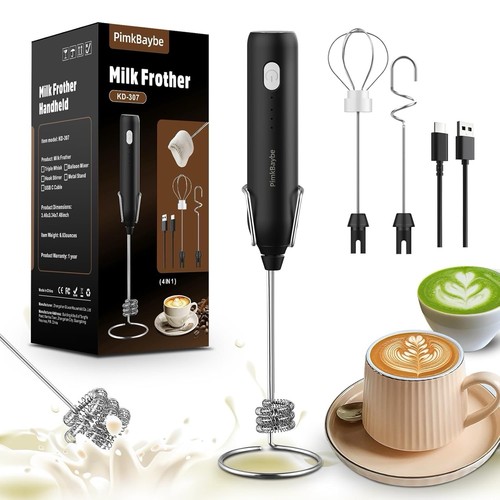
Manual frothers come in two main flavors: handheld wands (battery or USB-powered) and pump-action pitchers. Both put you in the driver’s seat. With a wand, you heat the milk yourself—either on the stovetop or in the microwave—then froth by moving the whisk in circles or up and down. You control the bubble size with your speed and angle. Most wands can whip up 6 to 10 ounces of milk in under a minute. They’re compact, easy to rinse, and cost less than a night at a café. The trade-off: results depend on your technique, and foam consistency can vary from cup to cup.
Pump frothers (think French press, but for milk) generate foam by plunging a mesh screen up and down through hot milk, usually 20–30 times. This creates thick, airy foam—great for cappuccinos or hot chocolate. They hold more milk (up to 16 ounces), making them ideal for serving a crowd. Cleanup is simple, though you’ll need to hand wash the pitcher and plunger. Manual setups are affordable, durable, and travel-friendly. If you enjoy the hands-on process and don’t mind a little variability, they’re a satisfying choice. Compare current options
Steam wands: the hybrid approach
If you own an espresso machine with a steam wand, you already have the gold standard for milk frothing at home. Steam wands inject pressurized steam (typically 1–2 bars for home units) into milk, creating microfoam with a creamy mouthfeel. You control every variable: milk temperature (ideally 140–150°F), froth density, and pour texture. A good home steam wand can froth 12–20 ounces in a minute or less. This method requires practice—angle, depth, and timing all affect the result. Cleanup means wiping the wand and running steam to purge milk residue. Steam wands offer the most control and best latte art potential, but only if you’re willing to learn the technique and maintain the machine.
Who should pick automatic, manual, or steam?
If you want a no-mess, no-fuss way to add frothed milk to your coffee, automatic frothers are the right fit. They suit busy mornings, family use, or anyone who prioritizes consistency over artistry. Manual frothers appeal to those who enjoy the ritual or want a budget-friendly, portable option. If you’re chasing café-quality microfoam and don’t mind the learning curve, a steam wand is the way to go. Each method has its place—think honestly about how much time, attention, and counter space you’re willing to dedicate.
Related Guides
- Our guide to Automatic vs Manual Milk Frothers: Which Should You Choose?
- Our guide to How to Clean a Milk Frother: A Step-by-Step Guide
- Automatic Milk Frothers That Can Actually Make Latte Art
- How Manual Milk Frothers Work: A Simple Guide for Home Brewers
- Our guide to Manual Milk Frothers for Coffee: What to Know Before You Buy
- Automatic Drip Coffee Makers: A No-Nonsense Buyer’s Guide
Total cost of ownership
Sticker price is just the start. Here’s what to factor in over a year or two of home milk frothing:
- Replacement whisks or screens: Automatic frothers and handheld wands often need a new whisk every 6–12 months, especially with daily use. Expect to pay a small amount per replacement.
- Batteries or charging: Handheld wands burn through AA/AAA batteries quickly—plan on a new set every 2–3 months with frequent use. USB-rechargeable models cut this cost, but battery performance can fade after a year.
- Nonstick jug coatings: Many automatic frothers use nonstick coatings that degrade over time, especially if you use metal utensils or run them through the dishwasher. A replacement jug every 1–2 years is realistic for heavy users.
- Descaling or cleaning supplies: Steam wands and electric frothers need periodic cleaning with food-safe descalers or cleaning tablets. Budget for a cleaning cycle every 2–3 months, depending on water hardness and milk residue.
- Energy use: While not huge, automatic frothers and espresso machines do draw some power—roughly 400–500 watts per use for frothers, and 1000+ watts for espresso machines. Over a year, this adds up to a few extra dollars on your energy bill.
Manual frothers have the lowest ongoing costs—no electronics, batteries, or coatings to replace. But all types benefit from regular, thorough cleaning to keep milk residue and bacteria at bay. For more on safe milk handling, see FDA guidelines.
Practical tips for better froth at home
Regardless of your frothing method, a few tricks boost your results. Always use cold, fresh milk—dairy or plant-based—with at least 2% fat for best texture. Fill your vessel no more than halfway to allow room for expansion. Preheat manual frothing pitchers to avoid rapid cooling. For plant-based milks, look for “barista” formulations—they contain stabilizers that help foam hold its shape. Clean your gear thoroughly after each use; dried milk quickly ruins flavor and can clog moving parts. And don’t chase perfection—home gear can’t match the power or precision of commercial espresso bars, but it gets you close enough for a satisfying cup.
FAQs: Real-world questions about automatic milk frother vs manual
Does an automatic frother work with non-dairy milks?
Most automatic frothers handle oat, soy, and almond milk, but results vary. “Barista” versions with added stabilizers froth best. Some machines struggle with very thin milks, so expect lighter foam or more separation. Manual methods give you more control to compensate for tricky milks.
How long does a typical milk frother last before needing replacement?
Automatic frothers and handheld wands usually last 1–3 years with regular use, depending on build quality and how well you clean them. Manual pump frothers can go 5 years or more since they have no electronics or moving parts to wear out. Replacing worn whisks or jugs extends the lifespan.
Which method is better for making multiple drinks back-to-back?
Steam wands and large-capacity manual frothers are best for serving two or more drinks in a row—they hold 12–20 ounces and recover quickly between batches. Automatic frothers may need a cooldown period after each cycle, and their smaller capacity can slow you down if making several drinks at once.
Are replacement parts and accessories easy to find?
Most automatic frothers and wands use standard-sized whisks or jugs, but availability varies. Manual pump frothers rely on simple mesh screens, which are widely available online. Check compatibility before buying, especially if you own an older or off-brand model.
Do manual frothers require special milk or extra steps?
Manual frothers work with any milk, but results depend on your technique and the milk’s fat/protein content. Heat the milk to 140–150°F before frothing (a microwave or stovetop works fine). Some practice is needed to get consistent results, especially with non-dairy options.
What’s the best method for travel or small kitchens?
Handheld wands and manual pump frothers win for portability—they’re compact, lightweight, and don’t need outlets. They fit easily in a drawer or travel bag. Automatic frothers and espresso machines are bulkier and less practical for travel or limited counter space.
Final thoughts: matching your frother to your routine
Choosing between automatic and manual milk frothers comes down to your priorities. If speed, convenience, and repeatable results matter most, an automatic frother is worth the investment. Manual methods reward those who enjoy hands-on brewing, care about cost, or want something portable. Steam wands, while not for everyone, offer the most control—if you’re willing to practice. Whichever route you choose, the right frother makes homemade lattes, cappuccinos, and flat whites a daily treat—no coffee shop required. View what’s available
For a deeper dive into milk chemistry, foam stability, and how temperature impacts frothing, check out Cornell Food Science resources.



Last updated: June 2026 · Our research process