8 min read
Most manual milk frothers can turn 4 ounces of cold milk into foam in under 30 seconds, using nothing but a mesh plunger or spinning whisk. That’s the core appeal: café-style lattes and cappuccinos, no steam wand or power cord required. Understanding how these devices work—and which design fits your home coffee routine—can help you skip overpriced gadgets and zero in on something that actually upgrades your morning cup.
Core mechanics: What makes milk froth?
Manual milk frothers use one of two basic mechanisms: a mesh plunger that you pump up and down, or a hand-powered whisk that you spin. Both rely on physical agitation to incorporate air into milk, breaking up the liquid and forming tiny bubbles. The result: a thick, creamy foam that sits atop your coffee, holding its shape for a few minutes—just long enough to pour a decent latte or cappuccino at home.
Here’s what’s actually happening inside the frother. When you pump or whisk, you’re forcing air through the milk. Milk proteins (especially casein) trap these air bubbles, stabilizing the foam. The colder and fresher the milk, the better the foam—though you can heat the milk first for a warm drink. Unlike electric frothers or steam wands, manual frothers give you full control over texture, but require a little muscle and a steady hand.
Manual milk frother types compared
| Type | Mechanism | Frothing Capacity | Material | Cleanup Time |
|---|---|---|---|---|
| Plunger Pitcher | Mesh plunger pumped by hand | 4–8 oz (120–240 ml) | Borosilicate glass / Stainless steel | 60–90 sec |
| Handheld Whisk | Rotating coil whisk (manual crank) | 2–6 oz (60–180 ml) | Plastic / Stainless steel | 30–60 sec |
| French Press | Plunger with fine mesh filter | 8–12 oz (240–350 ml) | Glass / Stainless steel | 90–120 sec |
| Double-Mesh Pitcher | Dual-layer mesh plunger | 4–10 oz (120–300 ml) | Stainless steel | 60–90 sec |
Hands-on: What it’s like to use each type
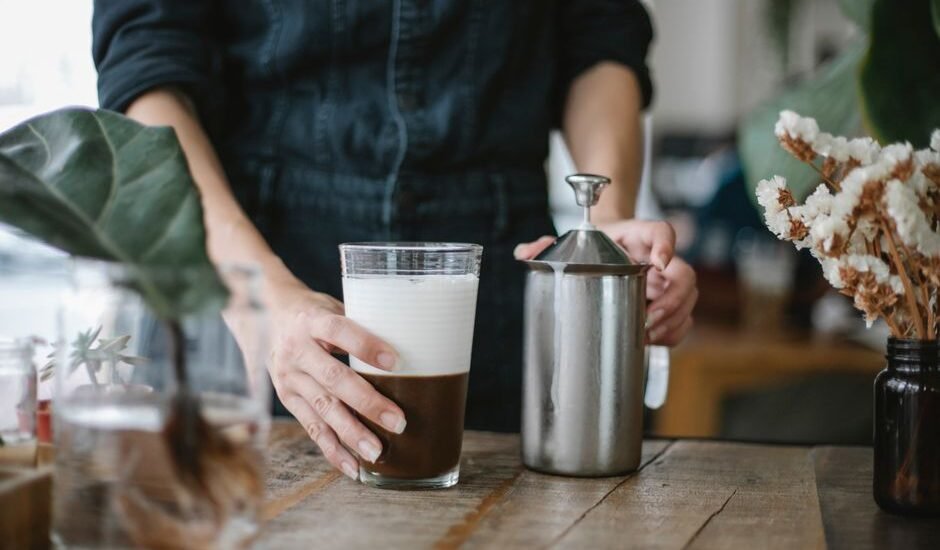
Using a plunger pitcher feels a lot like working a French press. You pour in cold or warmed milk (never more than half full, or you’ll get overflow), then pump the mesh plunger up and down rapidly for 20–30 seconds. The mesh forces air through the milk, building a dense foam. You can watch the texture change—first bubbles, then a thick, glossy head. Cleanup means rinsing the pitcher and plunger under the tap. These are great for single lattes or two cappuccinos, and most are built to last years with basic care.
Handheld whisks are the most compact and affordable. You hold the mug or pitcher with one hand and spin the whisk with the other, either by twisting a handle or squeezing a trigger. This method works surprisingly well for small amounts (2–4 ounces) but can get messy with larger batches. It’s the fastest to clean—just rinse and dry the whisk. For travel or small kitchens, this is a strong pick.if you’re after something simple and portable.
French presses aren’t designed just for coffee—you can use one as a frother in a pinch. Fill with milk, plunge rapidly 20–40 times, and you’ll get a decent foam. The larger size (8–12 ounces) is handy for making two or more drinks at once. Downsides: bulkier to store and slightly more time-consuming to clean, since you’re dealing with a bigger carafe and filter assembly.
Double-mesh pitchers are a premium take on the plunger design, using two fine mesh screens to create ultra-dense foam. The dual mesh means you need fewer pumps (usually 10–15) for the same result, and the foam is finer—good for latte art practice. These are usually all stainless steel, which helps retain heat but can make it harder to see the foam as it forms. They’re the most expensive manual option, but deliver the most consistent microfoam. See today’s deals if you’re chasing the silkiest texture possible.
Red flags in listings to walk past
- No stated capacity: If a manual frother’s listing doesn’t tell you the max ounces or milliliters, assume it’s tiny—often less than a single latte. Reliable brands are up front about real volume.
- Only plastic parts in contact with milk: Cheap models often use all-plastic interiors that stain, warp, or retain odors over time. Look for borosilicate glass or stainless steel for the pitcher and mesh.
- “Dishwasher safe” with no removable parts: If the mesh or plunger can’t be disassembled, milk residue will build up in seams. True dishwasher-safe frothers have removable or fully openable components.
- No close-up photos of the mesh or whisk: Blurry or distant images often hide poor build quality—like loose mesh or flimsy whisks that bend after a few uses.
- Promises “barista microfoam” with no technique required: Creating fine microfoam takes both a good tool and the right pumping or whisking method. Overhyped claims signal marketing, not real performance.
Tips for getting the best foam at home
Manual milk frothers reward good technique as much as good gear. Here’s what actually matters:
- Fill to the right level: Never exceed half the pitcher’s capacity, or the milk will overflow as it expands.
- Start with cold, fresh milk: Cow’s milk between 37–45°F (3–7°C) foams best. Non-dairy alternatives can work, but results vary—look for “barista” versions if you’re using oat or soy.
- Heat after frothing for stable foam: If you want warm milk, froth first, then microwave or gently heat on the stove. Overheating before frothing can cause proteins to break down, killing foam stability.
- Use quick, short pumps or spins: With plungers, aim for 20–30 rapid strokes. For whisks, spin vigorously for 15–30 seconds. Stop when the foam is thick and glossy.
- Tap and swirl before pouring: Tapping the pitcher on the counter breaks up large bubbles; swirling helps the foam settle for a smoother pour.
The goal: dense, stable foam with tiny bubbles. It won’t match a steam wand’s velvety microfoam, but it can get surprisingly close (especially with practice and a good frother).to find a tool that fits your routine and space.
Related Guides
- Manual Milk Frothers for Coffee: What to Know Before You Buy
- Milk Frothers for Lattes: A Practical Buyer’s Guide
- Manual Espresso Levers That Are Actually Worth Buying
- Our guide to New Brew Chamber vs a 4-Year-Old One: Does Age Really Matter?
- How to Froth Milk Without a Steamer: Easy Methods for Home Brewers
- How to Reset a Manual Coffee Grinder: Step-by-Step Guide
- Browse all Espresso & Milk →
Why manual frothers beat electric for some home brewers
Manual frothers don’t rely on batteries or outlets. That means fewer points of failure, less to clean, and total portability. They’re also quieter—no whirring motors to wake up housemates—and almost always cheaper than electric models with heating elements. You’ll find most manual frothers in the $10–$40 range, while electric frothers and steam wands can push past $60 or more.
Another advantage: you control the foam texture. Want stiff peaks for a cappuccino? Pump or whisk a little longer. Prefer a pourable microfoam for a flat white? Go gentler and stop sooner. There’s a learning curve, but the payoff is more control over your drink’s final texture. For more on milk science and foam stability, the National Coffee Association offers beginner-friendly resources.
Common mistakes and how to avoid them
- Overfilling: Exceeding the max fill line leads to milk overflow and sticky messes. Stick to 1/3–1/2 full for best results.
- Using hot milk from the start: High heat denatures proteins, making it harder to trap air. Froth cold or room temperature milk, then heat if needed.
- Neglecting to clean immediately: Dried milk is a pain to scrub off mesh screens and whisks. Rinse everything right after use, even if you’re rushing out the door.
- Expecting latte art miracles: Manual frothers can get close to microfoam, but you’ll need practice and a double-mesh pitcher for the best shot at basic art.
FAQs about manual milk frothers
How long does it take to froth milk manually?
Most manual frothers create usable foam in 20–45 seconds of pumping or whisking. Double-mesh models can be even faster, sometimes under 20 seconds. Cleanup adds another minute or so.
Plunger pitcher vs handheld whisk — which is better for lattes?
For lattes, a plunger pitcher delivers more consistent foam and handles larger batches (4–8 ounces) with less mess. Handheld whisks excel at single servings and travel, but can be harder to control for microfoam texture. If you make milk drinks daily, the pitcher is usually worth the extra cost.
Can you froth non-dairy milk with a manual frother?
Yes, but results depend on the milk type. Oat and soy “barista” blends foam best; almond and coconut can be trickier. Expect less stable foam than with cow’s milk, and experiment with milk temperatures for best results.
What’s the typical lifespan of a manual frother?
With regular cleaning, a stainless steel or borosilicate glass frother can last 3–5 years or longer. Plastic mesh or whisks may warp or degrade within a year, especially with frequent use or dishwasher cleaning.
Is it safe to heat milk directly in a manual frother?
Some stainless steel pitchers are stovetop-safe, but most glass or plastic models are not. Always check the maker’s instructions. If in doubt, heat milk separately in a microwave-safe container before frothing.
What’s the warranty or return policy for most manual frothers?
Mid-range and premium models often carry a 1-year warranty against manufacturing defects. Budget options may offer 30–90 day returns but little long-term support. Check for clear warranty terms and avoid listings with no stated policy.
Bottom line: Who should buy a manual milk frother?
If you want café-style milk drinks at home, don’t have (or want) a steam wand, and value simplicity, manual frothers hit the sweet spot. They’re cheap, durable, and work anywhere. Plunger pitchers offer the best balance of capacity and foam quality, while handheld whisks are perfect for travel or small kitchens. Avoid models with all-plastic interiors or no clear specs. A little practice goes a long way—after a few tries, you’ll be pouring latte foam that rivals anything from a countertop gadget. View what’s available to find a model that fits your routine and budget.
Last updated: June 2026 · Our research process