9 min read
Disclosure: As an Amazon Associate and eBay Partner Network publisher, we earn from qualifying purchases. This doesn’t affect what we recommend or how we describe it.
Most portable espresso guides suggest you can have “real café espresso anywhere.” That’s not quite true—no portable device matches a full-sized machine for pressure or consistency. But if you’re realistic about your expectations and know what to look for, you can get a bold, satisfying shot wherever you are. The trick is matching the portable espresso maker to your actual needs: Do you want pure manual simplicity, or do you want power and convenience? Are you grinding your own beans, or do you need a pod-friendly option? The right pick depends on your brewing style, budget, and how much effort you’re willing to put in on the go.
Top picks at a glance
- Wacaco Minipresso GR Portable Espresso Machine — best for ground coffee users
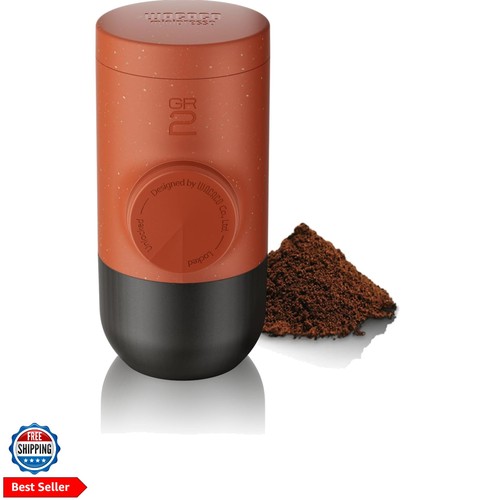
- Wacaco Minipresso GR2 Portable Espresso Maker — the updated Minipresso model
- Handpresso Portable Espresso Maker 6 Bar — the manual pump alternative
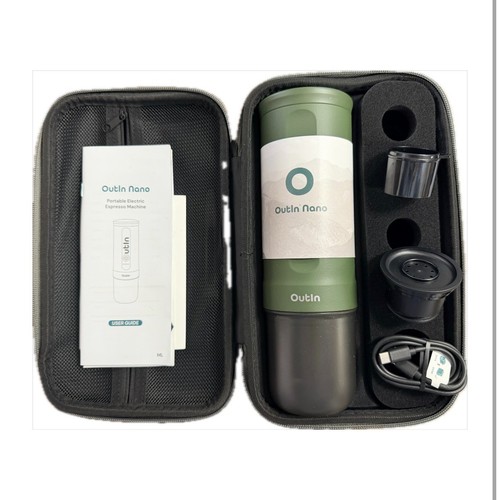
- OutIn Nano Portable Electric Espresso Machine — the premium electric option
Portable espresso makers compared: Table of key differences

Pictured: Wacaco Minipresso GR
| Product | Condition | Price | Best For | Pressure | Power Source |
|---|---|---|---|---|---|
| Wacaco Minipresso GR Portable Espresso Machine |
New | $$ | Ground coffee users | 8 bar (manual) | Manual |
 Wacaco Minipresso GR2 Portable Espresso Maker Wacaco Minipresso GR2 Portable Espresso Maker |
New | $ | Updated Minipresso model | 8 bar (manual) | Manual |
 Handpresso Portable Espresso Maker 6 Bar Handpresso Portable Espresso Maker 6 Bar |
Used | $ | Manual pump alternative | 6 bar (manual) | Manual |
 OutIn Nano Portable Electric Espresso Machine OutIn Nano Portable Electric Espresso Machine |
Open Box | $$$ | Premium electric option | 20 bar (electric) | Electric (battery) |
$ / $$ / $$$ indicates budget / mid-range / premium relative to the picks above. Check live listings further down for current prices.
Related Guides
- Our guide to Stovetop Espresso Makers, Reviewed and Ranked
- AeroPress vs French Press: Which Makes Better Espresso-Style Coffee?
- AeroPress vs Pour Over vs Espresso: Which Brewing Method Suits You?
- Our guide to Burr vs Blade Grinders for Espresso: What’s the Real Difference?
- Espresso Machine vs Moka Pot: What’s the Real Difference?
- Pour Over vs Drip Coffee Makers: How They Compare
- Browse all Buying Guides →
Manual power or electric convenience? Decide what matters most
Every product here claims to make “espresso,” but the brewing process and results vary a lot. Manual models like the Wacaco Minipresso GR Portable Espresso Machine, Wacaco Minipresso GR2, and Handpresso 6 Bar rely on hand-operated pumps. You add hot water, load ground coffee, and manually build up pressure—typically around 6–8 bar. These are lighter, don’t need batteries, and work anywhere you can boil water. But you provide the muscle, and shot consistency depends on your pumping technique.
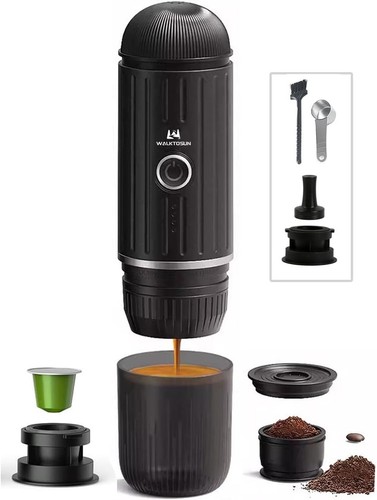
The OutIn Nano Portable Electric Espresso Machine stands out as the only electric option. It uses a built-in battery to generate up to 20 bars of pressure—about what a home countertop machine aims for. This means less effort and more consistent results, especially if you want to brew directly from cold water (the OutIn Nano can heat water itself). The trade-off is weight, charging, and a higher price—plus you’ll need to keep it charged for true portability.
Who should choose the Wacaco Minipresso GR or GR2?
If you already grind your own beans or want to use any ground coffee, the Wacaco Minipresso GR is a strong fit. By spec, it offers up to 8 bars of manual pressure and is designed for ground coffee only (not pods or capsules). The GR2 is the updated model: it’s lighter, more compact, and easier to clean, but otherwise similar in function. Both are fully manual—no batteries or charging needed—so you just need access to hot water. If you’re after a simple, reliable shot on the trail or in a hotel room, these are the most flexible picks.
The difference comes down to size and price. The GR2 is positioned as the more affordable, streamlined update—ideal if you want the smallest possible device or are watching your budget. The original GR is a bit larger, but some users may prefer the slightly bigger water tank for a longer pull.
What makes the Handpresso 6 Bar unique?
The Handpresso Portable Espresso Maker 6 Bar is a classic in the portable espresso world. Its main distinction is the manual pump design: you build pressure using a bicycle-pump-style handle, then release hot water through your coffee grounds. It maxes out at 6 bar, slightly below the Wacaco models, but still enough to extract a concentrated shot (though with a bit less crema). The Handpresso 6 Bar is only available used in this comparison, which may appeal to bargain hunters or those looking for a proven, durable design at a lower price point.
There’s no battery, no electronics, and fewer moving parts to break. The trade-off is that you need to pump up to full pressure before brewing—a process that takes a bit of elbow grease. If you value simplicity and don’t mind buying used, this is an affordable way to get espresso-like coffee anywhere.
Is the OutIn Nano worth the premium?
The OutIn Nano Portable Electric Espresso Machine sits at the top end for both price and features. It’s the only model here that’s electric, providing a battery-powered pump capable of 20 bars of pressure—well above the manual options. This means you get a richer crema and a shot closer to what a countertop machine can achieve (within the limits of portable gear).
The OutIn Nano can also heat water internally (from cold) or use pre-boiled water, giving you the most flexibility. If you want to brew in places without a kettle or stove—or just want to push a button and let the machine do the work—this is the clear choice. The downsides: higher cost, more weight, and the need to keep the battery charged. If you’re camping off-grid for days or want the lightest kit, this probably isn’t for you. But for hotel rooms, road trips, or office use, the convenience is hard to beat.
Beginner’s pre-purchase checklist
- Check if you’ll have access to hot water—manual models require it, but the OutIn Nano can heat water itself.
- Measure your travel mug or cup opening—some portable espresso makers only fit certain cup sizes.
- Decide if you want to use ground coffee only, or if you need pod/capsule compatibility (none of these models accept pods).
- Weigh the device if traveling ultralight—manual models are typically under 1 lb (450g), electric models can be heavier.
- Review how you’ll clean the device on the go—smaller models may be easier to rinse but have less capacity.
- Confirm battery life and charging method for electric models—can you recharge via USB or do you need a wall outlet?
- Check warranty and return policy, especially if buying a used or open box unit.
How we selected these portable espresso makers
The shortlist here is based on a direct comparison of manufacturer specs, listed features, and each product’s market positioning. For portable espresso makers, the criteria that most affect usability are: pressure capability (in bars), method of operation (manual vs electric), compatibility with ground coffee or pods, water capacity, ease of cleaning, and portability (weight and size). We also considered power requirements (manual vs battery-powered), whether the device can heat water, and real-world factors like buying new vs used or open box.
Products were excluded if they had unclear specs, lacked basic safety information, or were generic/unbranded. Capsule-only machines and non-espresso “coffee press” devices were also left out, as they don’t meet the pressure or extraction requirements for espresso-style shots. This guide is for people who want a true espresso-like experience, not just strong coffee on the go.
If you want true café quality, you’ll still need a full-size machine at home. And if you never brew with ground coffee or don’t want to carry extra gear, a portable espresso maker may not be for you—a simple AeroPress or travel French press is easier for casual drinkers. But if you’re after maximum flavor and ritual in a small package, the options here are your best bets.
FAQs about portable espresso makers
How much pressure do portable espresso makers actually deliver?
Manual models like the Wacaco Minipresso GR and GR2 reach up to 8 bar, while the Handpresso 6 Bar maxes out at—you guessed it—6 bar. The OutIn Nano claims 20 bar using its electric pump. For reference, traditional espresso machines run at about 9 bar, so these portables get close, though actual in-cup pressure may vary with technique and grind.
Is the OutIn Nano worth the price difference over a manual option?
If you value convenience and want an all-in-one device that heats water and generates high pressure, the OutIn Nano justifies its premium. You spend more for built-in heating and push-button operation. If you’re happy boiling water separately and don’t mind manual pumping, the Wacaco or Handpresso models offer similar espresso results for less money.
Can I use Nespresso or other coffee pods in these machines?
No—every model in this guide is designed for ground coffee only. None of them accept Nespresso, K-Cup, or similar pods. You’ll need to grind your own beans or buy pre-ground coffee. Pod compatibility is a separate category of portable espresso makers not covered here.
How long does it take to brew a shot with these portable machines?
Manual models like the Wacaco and Handpresso typically take 2–4 minutes from start to finish, including boiling water, loading coffee, and pumping. The OutIn Nano can heat water from cold in about 5–8 minutes, or brew instantly if you add hot water. Actual times vary with water temperature and technique.
Are used or open box units a good idea for travel espresso?
Buying used (like the Handpresso 6 Bar) or open box (the OutIn Nano) can save money, but check the condition and return policy carefully. Used units may have more wear or missing parts. Open box usually means the product is unused but packaging may be damaged—often a safe bet if you’re looking for value.
Wacaco Minipresso GR2 vs GR — which is better for ultralight travel?
The Minipresso GR2 is smaller and lighter, making it the better pick if every ounce counts. Otherwise, both models deliver similar espresso, but the original GR offers a slightly larger water tank if you want a longer shot. For backpackers and minimalist travelers, the GR2 is the most compact manual espresso maker here.
Final verdict: Match your choice to your coffee habits
If your priority is lowest weight and no batteries, the Minipresso GR2 or Handpresso 6 Bar are the simplest, most reliable options—just bring ground coffee and hot water. For those who want the closest thing to plug-and-play convenience and don’t mind a higher price, the OutIn Nano is the only model here that heats water and delivers true espresso pressure automatically. The original Minipresso GR offers a bit more capacity for those who want a larger shot. No matter which you choose, you’re trading some café-level quality for portability—but with the right expectations and prep, you can brew a satisfying espresso wherever you land.
For more on espresso brewing standards and what defines “true” espresso extraction, see European Coffee Trip, a respected resource on coffee gear and techniques across Europe and beyond.
Still searching? Browse more portable espresso makers on Amazon.
Last updated: June 2026 · Our editorial approach