7 min read
Disclosure: As an Amazon Associate and eBay Partner Network publisher, we earn from qualifying purchases. This doesn’t affect what we recommend or how we describe it.
Stovetop espresso makers give you a concentrated, rich coffee experience at home without the cost or complexity of a full espresso machine. For most home brewers, the right moka pot offers a sweet spot: more flavor and body than drip or pod coffee, but in a format that’s easy to use, clean, and afford. This guide breaks down the types of stovetop espresso makers worth considering, how they compare, and the specs that actually influence your daily cup—so you can skip the hype and buy with confidence.
Spot the difference between stovetop espresso maker types
| Type | Material | Capacity (oz) | Pressure (bars) | Induction Compatible | Price |
|---|---|---|---|---|---|
| Classic Aluminum | Aluminum | 6–12 | 1.5 | No | $ |
| Stainless Steel | Stainless Steel | 4–10 | 1.5 | Yes | $$ |
| Electric Base | Aluminum/Steel | 6–12 | 1.5 | Not needed | $$$ |
| Single-Serve Mini | Aluminum | 2–3 | 1.5 | No | $ |
Pricing key: $ marks the budget tier, $$ the mid-range, $$$ the premium picks. Tiers are relative to the products in this comparison; actual prices update live below.
Related Guides
- Stovetop Espresso Makers Reviewed: Which Ones Are Worth It?
- Our guide to AeroPress vs French Press: Which Makes Better Espresso-Style Coffee?
- AeroPress vs Pour Over vs Espresso: Which Brewing Method Suits You?
- Burr vs Blade Grinders for Espresso: What’s the Real Difference?
- Espresso Machine vs Moka Pot: What’s the Real Difference?
- Pour Over vs Drip Coffee Makers: How They Compare
Choose the right moka pot for your needs
Most people searching for stovetop espresso maker reviews want a clear answer to one question: Which type will fit my kitchen, my coffee routine, and my budget? Here’s how the main categories stack up in real-world use.
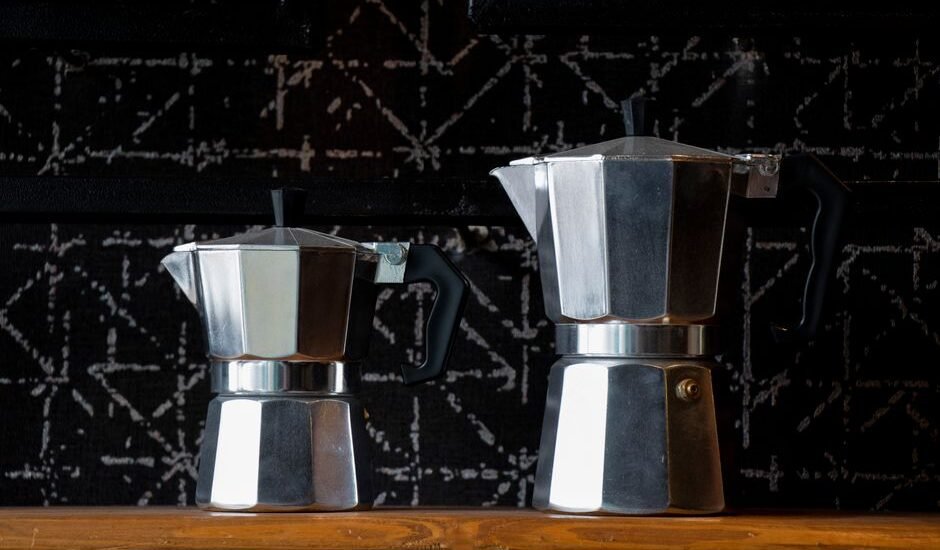
- Classic Aluminum: This is the old-school, octagonal moka pot you’ll see in Mediterranean kitchens. It’s lightweight, heats up quickly, and is usually the cheapest way to try stovetop espresso. The downside? Aluminum can’t go in the dishwasher and isn’t compatible with induction cooktops. You’ll also need to dry it thoroughly to avoid pitting or corrosion. For most home brewers, a 6-cup (about 10 oz) size is the most versatile.
- Stainless Steel: These moka pots are heavier, more durable, and usually dishwasher-safe. They work on induction stoves (if the base is magnetic steel), and the finish looks modern. Expect to pay a bit more, but you’re getting gear that can outlast an aluminum pot by years. Stainless steel models are also less reactive, so you won’t get any metallic aftertaste—critical if you leave coffee in the pot for a while.
- Electric Base: Electric moka pots have a built-in heating element, so you can brew anywhere with a plug—no stove needed. They’re great for dorms, offices, or travel. The brewing process is the same, but you get automatic shutoff and sometimes a keep-warm feature. These are the priciest option and take up more counter space, but they’re the most user-proof.
- Single-Serve Mini: Designed for solo drinkers or those with little kitchen space, these tiny pots brew just 2–3 oz at a time. You get less flexibility (hosting is tough), but the small size means faster heating and less cleanup. They’re a good pick if you’re the only coffee drinker in the house or want a strong shot as a base for other drinks.
Specifications that actually matter
Material (Aluminum vs Stainless Steel)
The material impacts everything from taste to durability. Aluminum heats up fast and is lightweight, but can corrode if left wet. Stainless steel is heavier, dishwasher-safe, and less likely to affect flavor over time. If you want a pot that lasts a decade, steel is worth the extra cost.
Capacity (Ounces or Cups)
Stovetop espresso makers are sized by “cups,” but a moka cup is only about 1.5–2 oz. A 6-cup pot makes 9–12 oz—enough for two Americanos or three small cappuccinos. For one person, a 3-cup (5 oz) size is usually enough. Too big, and you’ll waste coffee; too small, and you can’t brew for guests.
Induction Compatibility
Not all moka pots work on induction cooktops. Only stainless steel models with a magnetic base will work. If you have an induction stove, check for “induction compatible” on the packaging or use a fridge magnet to test the base.
Safety Valve Quality
Every moka pot has a safety valve to prevent pressure buildup. Cheap pots sometimes use flimsy valves that can clog or fail. Look for a model with a robust, easy-to-clean valve. If you’re buying in-store, give the valve a gentle wiggle—it should feel solid, not loose or rattly.
Gasket Replacement Availability
The rubber gasket (seal) between the two chambers wears out after 6–18 months of regular use. Make sure you can easily find replacements for your chosen pot; otherwise, you’ll end up buying a whole new unit after a year or two.
Get the best results from your stovetop espresso maker
Once you’ve chosen a moka pot, a few tweaks can make a big difference in your cup. Use a medium-fine grind—finer than drip, but coarser than espresso (think table salt). Fill the filter basket level, but never tamp the grounds. Start with pre-heated water in the base to speed up brewing and avoid bitterness. Brew on medium-low heat; the process should take 4–6 minutes for a 6-cup pot. Once you hear a hissing or bubbling sound, remove the pot from heat to prevent over-extraction.
See today’s deals if you’re ready to upgrade your morning coffee without overpaying.Why moka pots don’t make real espresso (and why that’s fine)
Despite the name, stovetop espresso makers don’t produce true espresso. They brew at about 1.5 bars of pressure, far below the 9 bars needed for café-style crema and body. Instead, you get a strong, syrupy coffee that’s richer than drip but not as intense as espresso. For most home drinkers, this is a good thing: moka coffee is less finicky, more forgiving, and works great as a base for lattes, cappuccinos, or even iced drinks. If you want actual espresso, you’ll need a pump machine—but for daily use, moka pots offer 80% of the flavor with 10% of the hassle.
How to clean and maintain your moka pot
Rinse with hot water after each use and let all parts dry completely. Avoid soap—especially with aluminum—since it can strip away the thin coffee “seasoning” layer that keeps flavors clean. Once a month, check the gasket and safety valve for buildup. If you notice any discoloration or a metallic taste, soak in a solution of 1 part vinegar to 2 parts water, then rinse thoroughly. For electric models, unplug and let cool before cleaning the base. Regular maintenance keeps your stovetop espresso maker safe and your coffee tasting fresh.
View what’s available if you want to browse top-rated options for every budget.FAQs about stovetop espresso makers
How long does a stovetop espresso maker last?
With regular cleaning and occasional gasket replacement, a quality stainless steel moka pot can last 5–10 years or more. Aluminum models may need replacing after 2–5 years, especially if they develop corrosion or the safety valve fails.
What grind size works best for moka pots?
A medium-fine grind (around 300–400 microns) is ideal. Too fine, and the pot can clog or over-extract; too coarse, and the coffee will be weak. Most home burr grinders have a setting near “aeropress” or just finer than drip—experiment until you find your preferred taste.
Aluminum vs stainless steel — which is better for daily use?
Stainless steel moka pots are more durable, dishwasher-safe, and less prone to affecting flavor. Aluminum heats faster and costs less, but needs more careful cleaning and isn’t induction-compatible. For most daily users, stainless steel is worth the investment, especially if you have an induction stove or want a pot that lasts longer.
Can I use a moka pot on an induction stove?
Only if the base is magnetic stainless steel. Most classic aluminum models won’t work with induction unless they have a steel diffuser plate. Always check compatibility before buying, or test with a magnet—if it sticks, you’re good to go.
What should I do if my moka pot leaks or sputters?
Leaks usually mean the gasket is worn or not seated properly. Replace the gasket, check for grounds on the rim, and make sure the two chambers are screwed together tightly. Sputtering can also be caused by overfilling, too fine a grind, or brewing on too high a heat.
Are replacement parts easy to find for stovetop espresso makers?
For standard sizes (3-cup, 6-cup, 9-cup), gaskets and filters are widely available online and at kitchen stores. Some off-brand or unique designs may have harder-to-find parts, so stick with classic shapes and sizes for easiest maintenance and longest service life.
Trustworthy resources for further reading
For more on coffee brewing science and safety, check out the Consumer Reports kitchen gear section and the FDA food safety page. Both offer independent, up-to-date information on cookware materials and home appliance maintenance.


Last updated: June 2026 · How we cover this topic