8 min read
Disclosure: As an Amazon Associate and eBay Partner Network publisher, we earn from qualifying purchases. This doesn’t affect what we recommend or how we describe it.
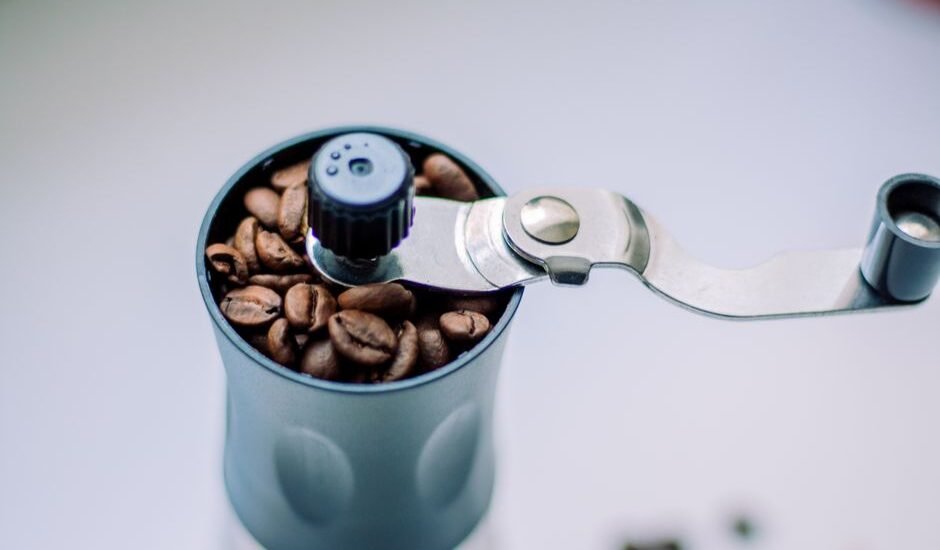
To disassemble a hand grinder, remove the handle, unscrew the grind adjustment knob, and separate the burr assembly from the body. This basic process works for most hand grinders, though the details can vary by design. This guide breaks down the tools, techniques, and differences between grinder types so you can confidently take yours apart for cleaning, burr upgrades, or troubleshooting. You’ll also find a comparison of common hand grinder designs, a clear step-by-step procedure, and pro tips to avoid damaging your gear or losing tiny parts.
Spot the difference between common hand grinder designs
Not every hand grinder comes apart the same way. The type of burrs, grind adjustment, and even the shape of the body change how you access the internals. Here’s a comparison of the four most common hand grinder categories, highlighting what’s involved in taking them apart and what to expect for each.
| Type | Burr Size (mm) | Adjustment Mechanism | Disassembly Difficulty | Parts to Watch |
|---|---|---|---|---|
| Classic Top-Knob | 38–40 | Stepped dial (clicks) | Easy | Spring, washer, knob |
| Modern Bottom-Dial | 42–48 | Stepless ring (bottom) | Moderate | Retaining ring, burr carrier |
| Travel Compact | 30–34 | Stepped knob (top) | Easy | Small spring, narrow shaft |
| Premium Axle-Lock | 47–54 | External dial (side) | Challenging | Axle pin, tension plate |
Related Guides
- How to Disassemble a Hand Grinder: Step-by-Step Guide
- Hand Grinder vs Electric Grinder: Which Is Right for Your Coffee Routine?
- Our guide to Flat Burrs vs Conical Burrs: Which Grinder Is Best for Home Use
- Our guide to Choosing the Right Grinder for French Press Coffee
- Coffee Grinder Cleaning Brushes That Actually Work
- Coffee Grinder Retention Explained: What It Means and Why It Matters
How to disassemble a hand grinder: step-by-step guide
Have a clean work surface and a small dish for loose parts before you start. Here’s the process for most home hand grinders, whether you’re deep cleaning, swapping burrs, or troubleshooting a jammed mechanism.
- Remove the handle and catch cup. Take off the handle by unscrewing or pulling it off the top shaft. Detach the bottom container (catch cup) where the grounds collect.
- Unscrew the grind adjustment knob or dial. On classic designs, turn the knob counterclockwise until it comes off. For bottom-dial models, rotate the adjustment ring and gently pull to access the burrs.
- Extract the burr assembly. Slide out the central shaft and burrs. Watch for springs, washers, or spacers that may come loose—note their order for reassembly.
- Remove the outer burr (if possible). Some grinders allow the outer burr to be pushed out from the body. Use gentle, even pressure to avoid bending or cracking ceramic or steel parts.
- Clean and inspect all parts. Use a dry brush or compressed air to remove old grounds. Inspect for worn burrs or damaged threads before putting everything back together.
Reassembly is the reverse. Take photos as you go if you’re new to this—tiny springs and washers can be tricky to remember.
Choose the right tools for the job
Most hand grinders can be disassembled without special equipment, but a few simple tools make the process smoother and safer. Here’s what you’ll want on hand:
- Soft-bristle brush: Loosens grounds from burrs and threads without scratching metal or plastic.
- Small Phillips or flathead screwdriver: Needed for some axle-locked or premium models with retaining screws.
- Wooden skewer or toothpick: Helps nudge out stuck burrs or springs without damaging surfaces.
- Magnetic parts tray: Keeps small washers, springs, and screws from getting lost.
For most basic designs, you won’t need more than your hands and a brush. If you’re dealing with a more advanced or premium grinder, check the manual for any proprietary fasteners or hidden screws.
Why disassemble your hand grinder at all?
Breaking down your grinder isn’t just for deep cleaning. Regular disassembly lets you:
- Clean out old grounds and oils that can cause stale flavors.
- Check for burr wear—sharp burrs mean more consistent grinds.
- Clear jams from hard beans or stones that wedge between burrs.
- Upgrade burrs if your grinder supports replacement or aftermarket options.
Even with careful use, coffee dust and oils build up. A quick brush-out every few weeks keeps your grinder running smoothly. For more on why this matters, see Coffee Review’s expert tips on grinder maintenance.
Specifications that actually matter
When you’re deciding how—and how often—to take apart your hand grinder, a few specs make the biggest difference. Here’s what to pay attention to, whether you’re maintaining your current grinder or considering an upgrade.
Burr Size
Larger burrs (typically 42–54 mm) grind more efficiently and are easier to access for cleaning. Smaller burrs (30–38 mm) are common in compact or travel grinders, but can be fiddly to reassemble and may trap more fines inside the mechanism.
Adjustment Mechanism
Stepped adjustments (with clicks) are usually easier to disassemble, as the knob simply unscrews. Stepless or external dials can have hidden retaining rings or require partial disassembly of the body. Know your mechanism—forcing it can strip threads or break delicate parts.
Material (Steel vs Ceramic Burrs)
Steel burrs are more durable and less likely to chip during disassembly, but can rust if not dried thoroughly after cleaning. Ceramic burrs resist corrosion but are brittle—use extra care when removing and handling them.
Thread Quality
Fine threads (especially on adjustment knobs or burr carriers) are easy to cross-thread during reassembly. If you feel resistance, back off and realign. Stripped threads are a common failure point and can render a grinder useless.
Spare Parts Availability
Some grinder categories offer replacement burrs, springs, and washers. Others do not. Before attempting a full teardown, check if parts are available for your grinder type—especially for older or less common designs.
What can go wrong? Avoid these common mistakes
It’s easy to lose a spring, misplace a washer, or force a stuck part. Here’s how to sidestep the headaches:
- Work over a tray or towel to catch rolling parts.
- Take photos at each stage—especially the order of springs, washers, and spacers.
- Don’t force plastic or ceramic parts; if something won’t budge, double-check for hidden screws or tabs.
- Label small parts if your grinder has different-sized washers or springs.
If you’re not sure how your grinder comes apart, look up a teardown video or consult the manufacturer’s diagrams. And if something feels wrong, stop and reassess—broken burrs or stripped threads are rarely worth the risk.
Is it worth upgrading your grinder instead?
If your hand grinder feels gritty, wobbly, or inconsistent even after cleaning and reassembly, it may be time for an upgrade. Premium axle-lock grinders with larger burrs and stepless external dials offer smoother operation and easier maintenance—but at a higher price. If you’re curious about the latest designs (and want to see what’s available in your budget), Check current prices on a range of hand grinders before you invest more time in repairs.
FAQs: your hand grinder disassembly questions answered
How often should I take apart my hand grinder for cleaning?
For most home use, a full disassembly every 2–4 weeks keeps grounds and oils from building up. If you brew oily beans or use your grinder daily, clean more often. A quick brush-out after each use helps extend the time between deep cleans.
What’s the difference between stepped and stepless adjustments for disassembly?
Stepped adjustment grinders typically use a clicky knob that unscrews easily, making them quicker to take apart. Stepless or ring-adjustment grinders often have retaining rings or hidden screws, requiring a bit more patience and attention during disassembly.
Can I wash burrs with water, or will they rust?
Steel burrs can rust if left wet, so always dry them thoroughly after rinsing. Ceramic burrs won’t rust, but can crack if handled roughly or exposed to sudden temperature changes. For most cleaning, a dry brush is safest.
How long does it take to fully disassemble and clean a hand grinder?
Expect the process to take about 10–20 minutes for most models, including brushing out all parts and careful reassembly. The first time may take longer—especially if you’re unfamiliar with the order of springs and washers.
Travel compact vs classic hand grinder—which is easier for cleaning?
Travel compact grinders are usually easier to take apart due to fewer components and smaller parts. However, those tiny parts are easier to lose. Classic top-knob grinders have larger, sturdier pieces but may trap more grounds inside the burr chamber.
What should I do if a spring or washer goes missing during reassembly?
Check your work area carefully—these parts are often magnetic and can stick to tools or trays. If you can’t find the missing piece, many hardware stores carry suitable replacements, or you can order spares from a coffee gear supplier. Never run your grinder without all springs and washers in place, as this can damage the burrs or adjustment mechanism.
Are hand grinder parts covered under warranty?
Some brands offer limited warranties that cover manufacturer defects, but wear-and-tear items like burrs and springs are rarely included. Always check the warranty terms before attempting repairs, as unauthorized disassembly may void coverage. If in doubt, contact customer support for guidance.
Ready to tackle your next cleaning or upgrade?
Disassembling a hand grinder isn’t as intimidating as it looks, especially if you know your grinder’s design and follow a careful, step-by-step process. If you’re on the fence about sticking with your current setup or investing in a new grinder, Compare current options to see what fits your brewing style and maintenance comfort level. For those who want a deeper dive into coffee gear maintenance, check out the resources at CoffeeGeek—their community forums and guides are packed with real-world advice from fellow enthusiasts.


Last updated: June 2026 · Our research process