7 min read
Coffee grinder retention means the amount of ground coffee that stays trapped inside your grinder instead of coming out into your portafilter or brewer. High retention leads to wasted beans, stale grounds in your next cup, and inconsistent dosing. This guide breaks down why retention happens, how much is too much, and what it means for your daily brewing—plus, which grinder types and features minimize the problem.
Why grinder retention matters for home brewers
Retention isn’t just a concern for perfectionists. Even a gram or two of leftover grounds can throw off your recipe, especially when making single cups or espresso shots. You might notice your first coffee of the day tastes stale, or that weighing your dose doesn’t match what actually ends up in your basket. Understanding grinder retention lets you choose gear that fits your routine, avoid waste, and dial in more repeatable results at home.
What causes coffee grinder retention?
Retention happens because some grounds get stuck in the burr chamber, chute, or even around the burrs themselves. Factors that affect retention include:
- Burr design: Flat burrs often retain more grounds than conical burrs, especially in larger grinders.
- Chute shape: Long, narrow chutes trap more grounds than short, direct paths.
- Static buildup: Dry beans and plastic parts can make grounds cling inside the grinder.
- Grind size: Fine espresso grinds tend to stick more than coarse settings for pour-over or French press.
Some home grinders are notorious for holding onto 2–5 grams per grind, while newer “zero retention” designs aim for less than 0.5 grams—though true zero is rare outside of commercial labs.
Comparing grinder types for retention
| Configuration | Typical Retention | Burr Type & Size | Single-Dosing Friendly | Ease of Cleaning |
|---|---|---|---|---|
| Entry-Level Electric | 1.5–5 g | Conical 38–40 mm | No | Moderate |
| Flat Burr Home | 0.8–2.5 g | Flat 48–54 mm | Partial | Challenging |
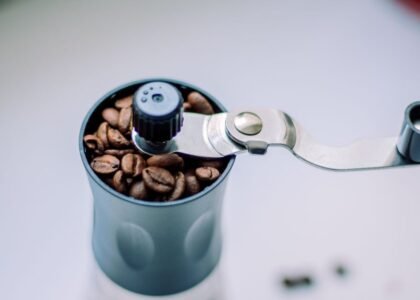
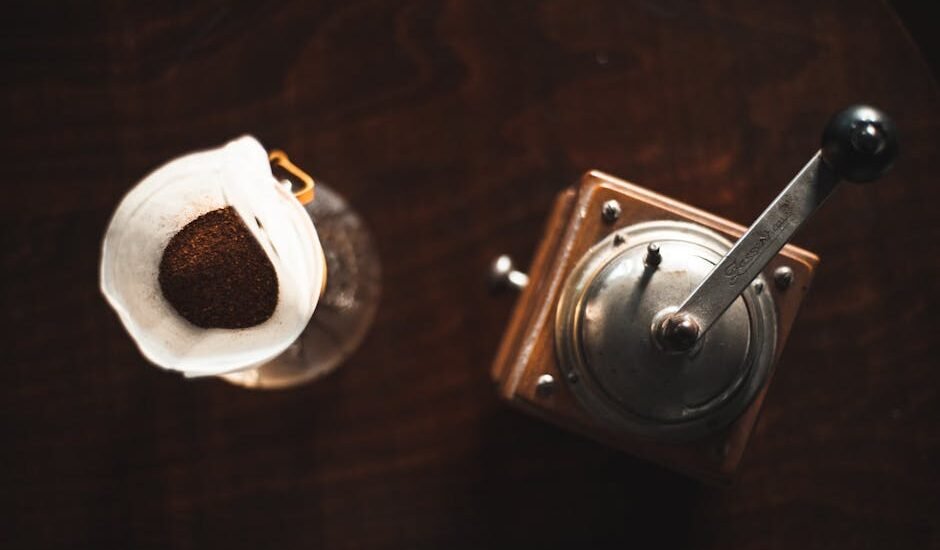
| Manual Hand Grinder | 0.1–0.5 g | Conical 38 mm | Yes | Easy |
| Single-Dose Electric | 0.2–0.8 g | Flat or Conical 48–64 mm | Yes | Moderate |
Related Guides
- How to Season a New Coffee Grinder: A Step-By-Step Guide
- Our guide to Choosing the Right Grinder for French Press Coffee
- Coffee Grinder Cleaning Brushes That Actually Work
- Our guide to Automatic Drip Coffee Makers for Effortless Brewing
- Our guide to Coffee Carafes Worth Buying: Our Practical Guide
- Our guide to Coffee Knock Boxes That Are Actually Worth Buying
- Browse all Coffee Essentials →
How to measure retention at home
To find your grinder’s retention, weigh your beans before grinding and then weigh the grounds that come out. The difference is your retention for that grind. For example, if you load 18 grams and get 16.5 grams out, your retention is 1.5 grams. Repeat this test a few times for an average, and try it at several grind settings. Don’t forget to factor in any “popcorning” (beans bouncing in the chamber) or grounds stuck in the chute.
For single-dosing (weighing each dose before grinding), low retention is crucial. High-retention grinders work best for those who keep the hopper full and don’t mind a little waste or flavor carryover.
Reducing grinder retention in daily use
Even if you don’t own a zero-retention grinder, you can minimize leftovers:
- RDT (Ross Droplet Technique): Add a tiny drop of water to your beans before grinding to reduce static and clinging grounds.
- Bellows or puffer: Some grinders accept a rubber bellows on top—press it after grinding to blow out stuck grounds.
- Tap and brush: Lightly tapping the grinder and using a small brush can free up trapped grounds after each use.
- Regular cleaning: Open the burr chamber and chute every couple of weeks—especially if you notice stale flavors or inconsistent dosing.
If you’re shopping for a new grinder, look for models designed for single-dosing with short grind paths and simple internals. These often produce less than 1 gram of retention per grind—much better for home brewing.
Specifications that actually matter
Measured retention (grams)
This is the most direct number to look for: how many grams of coffee stay behind after each grind? For home use, anything under 1 gram is excellent, 1–2 grams is workable, and above 2 grams will cause noticeable waste and flavor issues over time.
Burr type and size
Flat burrs (48–54 mm) can deliver more consistent particle sizes but often retain more grounds than conical burrs, especially in larger, multi-purpose grinders. For single cups, conical burrs (38–40 mm) in a well-designed grinder tend to have lower retention.
Grind path length
The shorter and more direct the grind path from burrs to cup, the less opportunity for grounds to get stuck. Look for grinders with straight chutes and minimal internal baffles or corners.
Single-dose design
Grinders made for single-dosing—where you add beans for each cup—usually have features like bellows, shallow hoppers, and easy-access internals. These design choices keep retention low and cleaning simple.
Cleaning accessibility
A grinder that opens easily for cleaning lets you remove retained grounds and keep flavors fresh. Avoid models that require special tools or complicated disassembly just to reach the burr chamber.
Real-world impact: flavor, waste, and workflow
Retention isn’t just a technical spec. It changes the taste of your coffee and the way you use your equipment. High retention means your first cup can taste stale, and you’ll waste beans every time you dial in your grind. For espresso, even a 0.5 gram difference can throw off your shot. If you swap between different beans, leftover grounds from your last batch will muddy the flavors. Low-retention grinders make it easier to switch beans, dial in recipes, and get consistent results shot after shot.
For more on the science of coffee grinding and its impact on flavor, see this peer-reviewed research database covering food and beverage technology.
When to upgrade your grinder for lower retention
If you find yourself constantly brushing out grounds, wasting beans to purge stale coffee, or struggling with inconsistent doses, it may be time to upgrade. Manual hand grinders are a budget-friendly way to get near-zero retention, though they require more effort. Electric single-dose grinders offer the best workflow and consistency, but at a higher price point. Entry-level hoppers work fine for batch brewing but are less suited to single-cup precision.
You canto see which type of grinder fits your budget and brewing habits. Don’t just chase “zero retention” as a marketing claim—look for real specs, user reports, and accessible cleaning features.
FAQs about coffee grinder retention
Is 1 gram of retention a problem for home brewing?
For most home brewers, 1 gram of retention is manageable, but it can still throw off espresso dosing or single-cup pour-overs. If you’re chasing consistency or changing beans often, aim for under 0.5 grams if possible.
How often should I clean my grinder to reduce retention?
Light cleaning (tapping, brushing out the chute) after each use helps, but a deeper clean every 2–4 weeks is ideal for most home setups. This keeps retained grounds from going stale and affecting flavor.
Manual hand grinder vs electric: which has lower retention?
Manual hand grinders typically have the lowest retention—often just 0.1–0.5 grams—because of their compact, simple design. Electric grinders can range widely, but single-dose models with short grind paths can come close to manual levels.
Can I retrofit my current grinder to reduce retention?
Some home brewers add a bellows or use the Ross Droplet Technique to minimize static and push out stuck grounds. These tweaks help, but design limitations mean you may not get below 1 gram unless you upgrade to a grinder built for low retention.
How does retention affect switching between different coffee beans?
High retention means grounds from your last batch stick around and mix with your new beans, muddying flavors. Low-retention grinders let you switch beans more cleanly, with less flavor contamination and more accurate dosing.
What’s the typical lifespan of a low-retention grinder?
With regular cleaning and maintenance, a quality low-retention grinder can last 5–10 years or more. Burrs may need replacement after 500–1000 pounds of coffee, depending on use and material.
Should I pay extra for a single-dose grinder?
If you value precise dosing, switch beans often, or brew espresso at home, the convenience and accuracy of a single-dose grinder can be worth the premium. For batch brewing with one bean, a traditional hopper grinder is more cost-effective. See today’s deals to weigh the price difference for your setup.
Is there a warranty concern with low-retention grinders?
Most reputable grinders offer 1–2 year warranties, but always check what’s covered. Some single-dose models have more moving parts, so confirm that wear items like burrs or bellows are included before you view what’s available.
Bottom line: what grinder retention means for you
Grinder retention is the hidden variable that affects every cup you brew. Home brewers who want better flavor, less waste, and more control should pay close attention to retention specs and real-world user reports. Whether you’re grinding for espresso, pour-over, or a French press, picking the right grinder configuration and keeping it clean makes a bigger difference than you might think. Don’t get distracted by marketing buzzwords—focus on measured retention, burr design, and how easy it is to keep your grinder fresh. Your taste buds (and your wallet) will thank you.
Last updated: June 2026 · How we cover this topic