Disclosure: As an Amazon Associate, we earn from qualifying purchases. This doesn’t affect what we recommend or how we describe it.
8 min read
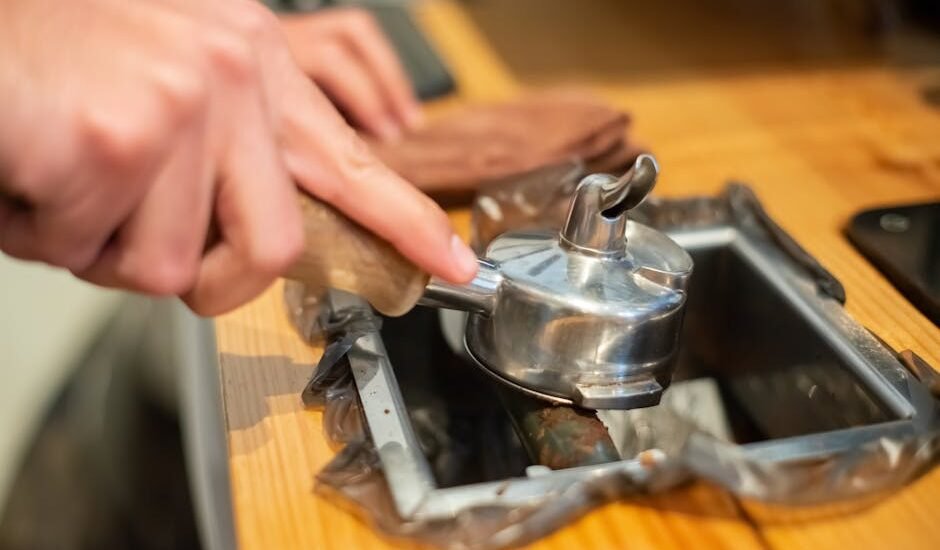
Messy, splattered coffee grounds are a daily reality for anyone pulling espresso shots at home. A good knock box turns that chaos into a quick, tidy ritual—helping you ditch spent pucks with one satisfying smack, instead of dribbling grounds all over your counter or trash can. But not all knock boxes are built for the same kitchen, workflow, or volume. Whether you’re tired of scraping pucks from your portafilter or just want to streamline your cleanup, choosing the right knock box can make a bigger difference than you might expect.
Comparing the Top Home Knock Boxes: Size, Build, and Usability
| Model | Capacity (pucks) | Dimensions (inches) | Bar Material | Base/Body Material | Dishwasher Safe | Notable Features |
|---|---|---|---|---|---|---|
| Compact Corner Bin | 6–8 | 5.0 x 4.5 x 4.5 | Rubber-coated steel | Thick ABS plastic | Yes (top rack) | Non-slip base, fits under most espresso machines |
| Heavy-Duty Steel Canister | 12–15 | 6.5 x 6.5 x 5.5 | Solid stainless steel | Brushed steel | No | Weighted base, commercial feel |
| Barista Drawer Box | 20–25 | 10.0 x 7.0 x 3.0 | Silicone-coated aluminum | Powder-coated steel | No | Pull-out drawer, sits under grinder or machine |
| Eco Bamboo Knock Bin | 8–10 | 5.5 x 5.5 x 4.0 | Food-grade silicone | Bamboo with stainless liner | Partial (liner only) | Eco-friendly, attractive countertop piece |
Amazon tends to carry the widest range of new models with same-week delivery — useful when you’ve already picked your shortlist.
Compare on Amazon →Why a Knock Box Is More Than Just a Bin
Knock boxes might look like simple containers, but their design makes a real difference in daily use. The right box absorbs the force of knocking out a puck, keeps mess contained, and stands up to repeated abuse without cracking or sliding around. For home baristas, a knock box also means you can prep multiple drinks before emptying, instead of running to the trash every time. That’s especially handy if you pull more than one or two shots in a row.
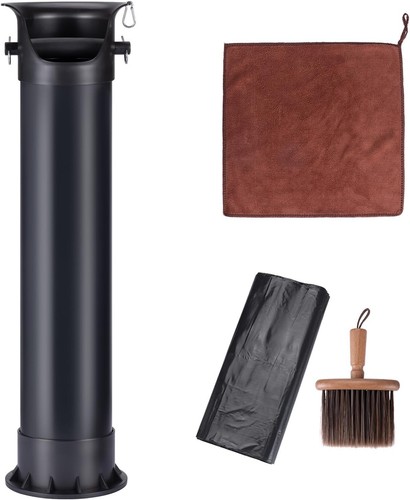
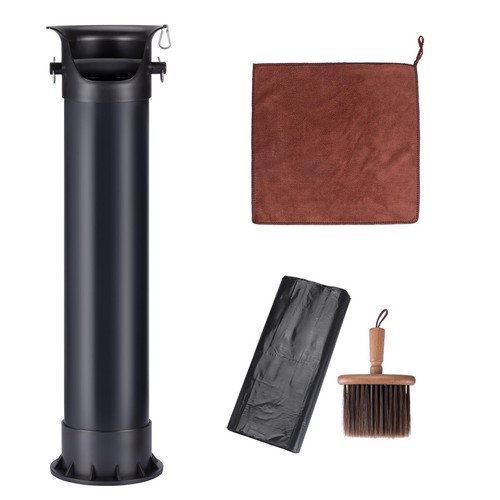
Most home knock boxes range from about 4 to 7 inches wide and hold anywhere from 6 to 25 pucks, depending on the design. The bar—the part you actually knock the portafilter against—should be sturdy enough to handle repeated force and ideally has a rubber or silicone coating to protect your basket and dampen noise. Some models use steel for the body, which feels solid but can be heavy and may scratch counters if not padded underneath. Others use thick plastic or bamboo, which are lighter and less likely to scuff surfaces but might not feel as “pro” if you’re used to café gear.
Choosing the Right Size for Your Brewing Routine
Size isn’t just about capacity—it’s about how the knock box fits into your kitchen flow. If you’re working with limited counter space, a compact model (around 5 inches square) tucks neatly beside your machine and is easy to store between uses. These usually hold 6 to 8 pucks, enough for a few days of solo brewing. For households making back-to-back drinks, or if you like to host friends, a larger box (7+ inches wide, 12+ puck capacity) saves you from constant emptying. Drawer-style knock boxes are even bigger and can slide under a grinder or espresso machine, maximizing counter space for heavy use.
Keep in mind: a full 58mm portafilter puck is about 18–20 grams of coffee, so a box that holds 10 pucks can accumulate nearly half a pound of wet grounds before you need to empty it. That’s a lot if you only pull a shot or two each day, but barely enough for a weekend brunch crowd.
Materials That Actually Matter: Durability and Cleaning
Home knock boxes take more abuse than almost any other coffee accessory. You’re slamming metal portafilters against them, sometimes with more force than you realize. Cheap plastic bins can crack within months, especially if left in the sun or cleaned with harsh detergents. Look for at least 3mm wall thickness for plastic bodies, or opt for steel if you want something that feels like it’ll last a decade.
The bar itself is the weak link in many budget models. A solid steel or aluminum rod with a thick (2mm+) rubber or silicone sleeve will protect your portafilter baskets and absorb noise. Avoid models with thin, brittle plastic bars—they can snap or deform after a few months.
For cleaning, dishwasher-safe bins are a huge plus. Some models let you remove the knock bar and toss the whole thing onto the top rack. Others (especially steel or bamboo) need hand washing, but a smooth, seamless interior makes it easier to wipe out sticky grounds. If you compost, stainless liners or removable inserts make it much simpler to dump pucks without mess.
Related Guides
Countertop, Drawer, or Under-Machine: Which Style Fits Best?
Most home coffee drinkers use a simple countertop knock box—easy to move, quick to empty, and small enough to stash away. These are ideal if you brew one or two shots per session and don’t want a permanent fixture on your counter. Look for a non-slip base (rubber feet or pads) to keep the box from sliding around as you knock out pucks.
Drawer-style knock boxes are a step up in both price and capacity. They sit under your espresso machine or grinder, saving counter space and usually holding 20+ pucks. The downside is they’re bulkier and take more effort to clean, but for anyone making a lot of drinks or wanting a “pro” look, the convenience is hard to beat. Under-machine drawers are especially useful for those with dedicated coffee stations.
Some eco-focused designs use bamboo or wood exteriors, often paired with a stainless steel liner. These look great on the counter and appeal to anyone who dislikes the look of plastic or metal bins. Just be aware that wood needs more careful cleaning and can develop odors if grounds sit for too long.
Noise, Mess, and Portafilter Protection: What You Actually Notice in Daily Use
The best knock boxes don’t just hold pucks—they keep noise and mess to a minimum. A well-padded bar reduces the metallic clang that comes with every knock, so you won’t wake up the whole house during your morning routine. Look for bars coated in at least 2mm of silicone or rubber, and check that the bar is securely mounted (loose bars rattle and can fall out as you empty the bin).
Spillover is another annoyance. Boxes with higher sides (at least 4 inches tall) are better at containing splatter, especially if you tend to knock with gusto. Wider openings make it easier to aim your portafilter, but too wide and you lose capacity. If you use a bottomless portafilter, make sure the box’s opening is at least 4 inches wide to avoid fumbling.
Lastly, a good knock box protects your portafilter baskets. Direct metal-on-metal knocks can dent or warp baskets over time. Always choose a box with a soft-coated bar, and avoid any design that exposes sharp edges or hard plastic at the impact point.
When to Upgrade: Signs Your Knock Box Is Holding You Back
Most home brewers start with a cheap plastic knock box (or worse, a makeshift bowl or trash can), but there’s usually a tipping point where it’s worth investing in something better. Watch for these signs:
- You’re emptying the box every day (or multiple times per session).
- The bar is loose, cracked, or missing its rubber coating.
- Coffee grounds are splattering all over your counter or backsplash.
- The box slides every time you use it, or you’ve chipped your portafilter basket.
- Cleaning is such a pain you avoid using the knock box altogether.
If any of these sound familiar, it’s probably time to compare current options and find a model that actually fits your brewing habits.
How to Get the Most Out of Your Knock Box
Even the best knock box won’t stay clean or odor-free forever. Here are a few quick tips to keep it in top shape:
- Empty grounds daily if possible—wet coffee pucks can start to mold or smell within 2–3 days.
- Rinse the bar and bin after each use, especially if you’re not running the dishwasher right away.
- For stubborn grounds, a quick soak with a bit of baking soda helps cut through oils.
- Check that the bar is securely seated after cleaning; loose bars are a recipe for mess.
- If you compost, use a liner or removable insert to dump grounds easily without scraping.
Ready for a cleaner, more efficient coffee routine? See today’s deals on top-rated knock boxes and upgrade your setup.
Amazon tends to carry the widest range of new models with same-week delivery — useful when you’ve already picked your shortlist.
Compare Options on Amazon →FAQs About Choosing and Using Home Knock Boxes
How many pucks should a home knock box hold?
Most home models hold between 6 and 15 pucks, which is enough for a day or two of brewing for most people. If you make more than 4–5 drinks in a row, consider a larger box or a drawer style that can accommodate 20+ pucks without overflowing.
Is it safe to put a knock box in the dishwasher?
Many plastic knock boxes are top-rack dishwasher safe, but always check the manufacturer’s advice. Steel and bamboo models usually need hand washing to prevent rust or warping. If only the liner is dishwasher safe, remove it before washing.
Why does my knock box start to smell?
Wet coffee grounds begin to break down and can develop odors after a day or two, especially in warm kitchens. Empty and rinse the box regularly, and let it dry fully between uses to prevent mold or bad smells.
Can I use a knock box with a bottomless portafilter?
Yes, as long as the box is wide enough (at least 4 inches) for your portafilter to clear the edges. Some compact boxes are too narrow for bottomless baskets, so check the specs before buying.
Do knock boxes damage portafilter baskets?
Only if the bar is unpadded or made from hard plastic or metal. Look for a bar with a thick silicone or rubber coating (2mm or more) to protect your basket from dents and prolong its life.
Can I compost the grounds from my knock box?
Absolutely. Coffee grounds are great for compost, as long as you empty the box regularly and keep it clean. Some knock boxes have removable liners or inserts to make dumping grounds into your compost bin easier.
Still deciding which knock box fits your coffee setup? View what’s available and find the right match for your home espresso routine.