9 min read
Disclosure: As an Amazon Associate and eBay Partner Network publisher, we earn from qualifying purchases. This doesn’t affect what we recommend or how we describe it.
You’re standing in your kitchen, eyeing the classic stovetop moka pot on one shelf and a drip coffee maker on another. Both promise a good cup, but the brewing experience—and the final result—are worlds apart. This guide cuts through the marketing fluff and lays out the real-world differences between moka pots and coffee makers, so you can pick the one that actually fits your taste, routine, and budget.
What most buying guides get wrong about moka pots vs coffee makers
Most comparisons gloss over the fact that “coffee maker” is a broad label. It can mean anything from a $15 single-serve pod machine to a $400 programmable drip brewer. Moka pots, meanwhile, are almost always manual stovetop devices. To make things clear, this guide breaks down the most common types you’ll run into at home: manual moka pots, basic drip machines, higher-end programmable drip brewers, and single-serve pod coffee makers.
Specs matter, but so do the details that never make it onto the box—like how forgiving each method is to beginner mistakes, how much cleanup you’ll face, and what kind of coffee you’ll actually drink each morning.
Side-by-side comparison: Moka pot vs coffee makers (with real specs)
| Type | Brewing Pressure | Water Capacity | Brewing Time | Ease of Use | Price |
|---|---|---|---|---|---|
| The classic stovetop option | 1–2 bars | 3–12 oz | 5–8 min | Moderate | $ |
| The most basic countertop brewer | Atmospheric (no pressure) | 20–60 oz | 6–10 min | Easy | $ |
| The programmable, feature-rich pick | Atmospheric (no pressure) | 40–70 oz | 6–12 min | Very Easy | $$ |
| The fastest, most convenient single-serve | 3–4 bars | 6–14 oz | 1–2 min | Easiest | $$$ |
Related Guides
- How to Descale a Drip Coffee Maker: A Step-by-Step Guide
- Espresso Machine vs Moka Pot: What’s the Real Difference?
- Coffee Knock Boxes That Are Actually Worth Buying
- Coffee Scales With Timers: Which Ones Are Actually Worth Buying?
- French Press Coffee Makers That Are Actually Worth Buying
- Coffee Containers for Keeping Beans Fresh
- Browse all Equipment Comparisons →
What flavor differences to actually expect in your cup
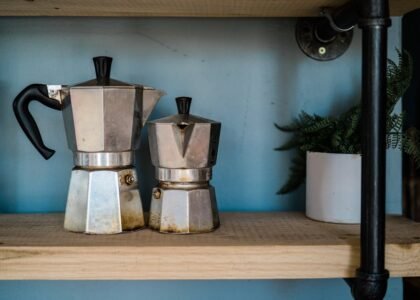
The moka pot delivers a strong, concentrated brew—closer to Italian-style espresso than to American drip coffee, but without the crema or intensity of true espresso. Expect a bold, sometimes slightly bitter cup, with a thick mouthfeel and pronounced roast notes. It’s ideal for those who enjoy coffee with milk or want a punchy morning jolt.
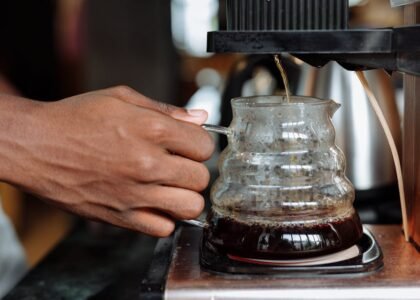
Drip coffee makers, on the other hand, produce a cleaner, lighter-bodied cup, with more clarity between different coffee origins and roast levels. The flavor is less intense but more approachable for everyday drinking, especially if you drink your coffee black or lightly sweetened.
Single-serve pod machines fall somewhere in the middle: the brew is often weak or flat compared to fresh-ground options, but they win on convenience and consistency. They’re a good fit if you want speed and minimal cleanup, but not the best for nuanced flavor.
The spec almost nobody talks about: grind size and its impact
Grind size is where moka pots and coffee makers truly part ways. Moka pots demand a medium-fine grind (think table salt), while drip brewers generally work best with a medium grind (like sand). Use the wrong grind, and you’ll end up with either a bitter, over-extracted mess or a weak, sour cup. Pod machines sidestep this issue by using pre-ground coffee sealed in pods, but that limits your ability to experiment with flavor.
- Moka pot: 0.5–0.7 mm particle size
- Drip coffee: 0.8–1.1 mm particle size
- Pod coffee: pre-ground, not user-adjustable
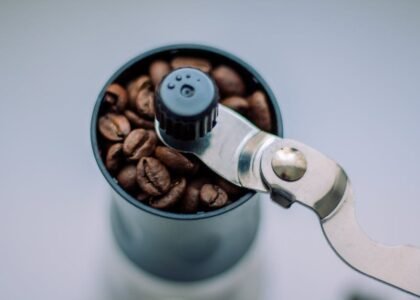
If you’re serious about dialing in flavor, invest in a burr grinder with adjustable settings. It’s the single upgrade that will improve both moka and drip coffee, no matter which brewer you own. Check current prices on entry-level burr grinders to see what fits your budget.
How much maintenance and cleanup to expect
Moka pots require disassembling three parts after each use (bottom chamber, filter basket, and top chamber), rinsing thoroughly, and periodic descaling if you have hard water. Drip machines range from “dump the basket and rinse the carafe” to “run a full descaling cycle every 40–80 brews” for more advanced models. Pod machines are the easiest—toss the pod, rinse the cup, and occasionally descale the water system.
If you hate scrubbing, drip and pod machines win on convenience. But moka pots last decades with minimal plastic parts to break, while electric coffee makers are more likely to fail after a few years of daily use.
Common mistakes to avoid
- Assuming moka pots make true espresso. They brew at 1–2 bars of pressure, not the 9 bars needed for real espresso. Expect a strong coffee, not café-style shots with crema.
- Using the wrong grind size. Too fine and your moka pot clogs or tastes burnt; too coarse and it’s weak. For drip, too fine causes bitter, over-extracted coffee.
- Overlooking water quality. Hard water will quickly scale up both moka pots and drip machines, affecting flavor and longevity. Always use filtered or soft water if possible.
- Buying too much capacity. Large drip brewers (60–70 oz) waste energy and stale quickly if you only drink a cup or two. Moka pots come in multiple sizes—match the brew size to your routine.
- Ignoring replacement part availability. Cheap electric coffee makers and pod machines often aren’t worth repairing, while moka pots can last decades if you replace the gasket and filter regularly.
Who should pick a moka pot—and who shouldn’t?
Moka pots suit home brewers who want a bold, espresso-adjacent cup without investing in a real espresso machine. They’re ideal for those who enjoy hands-on rituals, don’t mind a bit of cleanup, and want an all-metal brewer that lasts for years. If you love milk drinks (like lattes or cappuccinos) but can’t justify the price or counter space of a true espresso setup, moka pots are a solid compromise.
Skip the moka pot if you prefer lighter, more nuanced coffee, or if you want to brew large batches for a crowd. In those cases, a programmable drip brewer is a better fit—especially if you want to wake up to ready-made coffee. See today’s deals on programmable brewers to compare features and prices.
When does a drip coffee maker make more sense?
Drip coffee makers shine in households with multiple coffee drinkers or anyone who wants to set it and forget it. The biggest pros are batch size (up to 70 oz), ease of use, and a gentler flavor profile that works with most beans and roast levels. Programmable models let you automate your morning routine—just set the timer and wake up to hot coffee.
However, low-end models often lack precise temperature control (ideal range: 195–205°F), leading to under-extracted or bitter coffee. Look for brewers that clearly state their brewing temperature and have a hot plate that doesn’t scorch your coffee over time. Compare current options to find a drip machine with features that matter for real-world use.
FAQs: moka pots vs coffee makers—what you really want to know
Does a moka pot brew faster than a drip coffee maker?
For a single serving (3–6 oz), moka pots and drip machines are about equal, both taking 5–8 minutes from start to finish. But if you need multiple cups, drip brewers scale up more efficiently, handling large batches without repeat cycles.
How much pressure does a moka pot use, and does it matter?
Moka pots typically generate 1–2 bars of pressure—far lower than the 9 bars used in commercial espresso machines. This means you get a concentrated, robust coffee, but not true espresso with crema. Pressure mainly affects extraction strength and mouthfeel, not just speed.
Which is easier to clean: moka pot or coffee maker?
Pod machines are the easiest—just toss the pod and rinse. Moka pots require a quick rinse and occasional gasket checks, but no electronics to fail. Drip machines need regular carafe and filter basket cleaning, plus descaling every 1–2 months depending on water hardness.
Can I use pre-ground supermarket coffee in both?
You can, but results will vary. Most pre-ground coffee is aimed at drip machines and is too coarse for moka pots, which need a finer grind. For best results, grind fresh to the right setting for your brewer. If you must use pre-ground, moka pots may taste weak or bitter.
How long will a moka pot or drip machine last?
A well-maintained moka pot can last 10–20 years with periodic gasket and filter replacements. Basic drip machines often last 2–5 years before heating elements fail, while higher-end models and all-metal designs can last longer with proper care.
Moka pot vs drip: which is better for iced coffee?
Drip brewers are easier for making large batches of iced coffee or cold brew, as they handle big volumes and lighter flavors. Moka pots make a strong concentrate that works well for iced coffee when diluted, but the flavor can be overpowering if not balanced with milk or water.
Should I worry about plastic taste or BPA in coffee makers?
Some entry-level drip machines use plastic internal parts that can impart off-flavors, especially when new. Look for brewers rated as BPA-free and with glass or stainless steel water reservoirs. Moka pots are usually all metal, so you avoid this issue entirely.
Can I brew tea in a moka pot or coffee maker?
It’s possible in both, but not ideal. Moka pots are designed for coffee grounds and may impart a lingering coffee flavor to tea. Drip coffee makers can brew tea bags or loose leaf tea in the filter basket, but cleaning thoroughly between uses is important to avoid flavor crossover.
What is the minimum and maximum batch size for each method?
Moka pots are sized for specific volumes—typically 3, 6, or 9 ounces—so brewing less than a full pot usually results in poor extraction. Drip brewers can handle anywhere from a single cup (about 8 oz) up to their full carafe, often 60–70 oz, depending on the model.
Where to learn more about brewing science and gear
For deep dives into extraction science and brewing technique, CoffeeGeek is a reliable resource with detailed reviews and guides. For water quality and its impact on coffee equipment, consult the CDC’s water quality resources to understand how your tap water might affect taste and longevity.
Still on the fence? Review your daily coffee habits, flavor preferences, and how much effort you want to put into each cup. The right choice isn’t about the fanciest features—it’s about what makes your morning better, every single day.
Related Guides
- How to Descale a Drip Coffee Maker: A Step-by-Step Guide
- Espresso Machine vs Moka Pot: What’s the Real Difference?
- Coffee Knock Boxes That Are Actually Worth Buying
- Coffee Scales With Timers: Which Ones Are Actually Worth Buying?
- French Press Coffee Makers That Are Actually Worth Buying
- Coffee Containers for Keeping Beans Fresh
- Browse all Equipment Comparisons →
Last updated: May 2026 · Our editorial approach