Disclosure: As an Amazon Associate and eBay Partner Network publisher, we earn from qualifying purchases. This doesn’t affect what we recommend or how we describe it.
8 min read
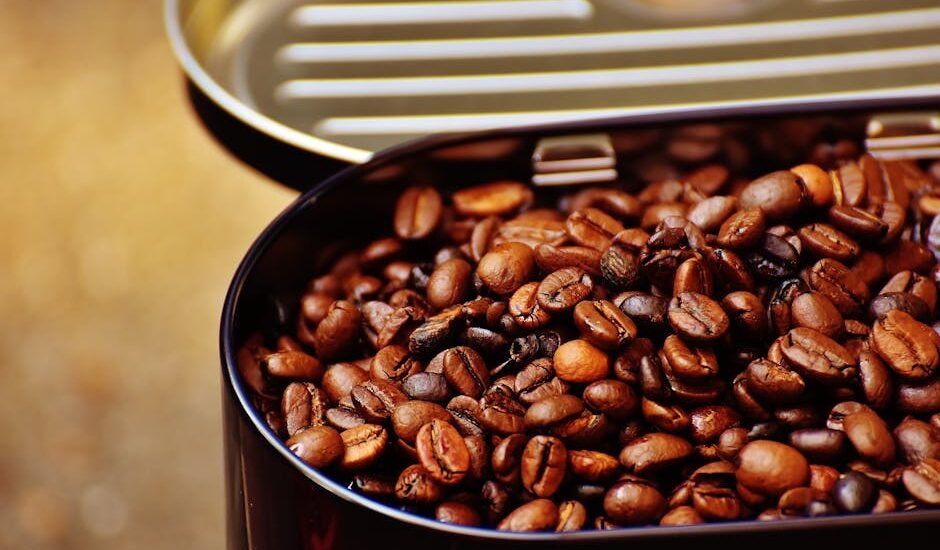
Fresh coffee beans are the foundation of every great cup, but even the best beans lose their magic fast if you store them wrong. Air, light, moisture, and heat are the enemies of flavor. Whether you home-roast, buy in bulk, or just want to keep your favorite single-origin tasting vibrant for weeks, choosing the right coffee container is the simplest upgrade you can make to your daily brew. Let’s break down what actually matters, what’s marketing fluff, and which containers are truly worth your money. For more detail, see Overview of coffee and its properties.
Comparing Top Coffee Bean Containers: Specs That Matter
| Container | Capacity (oz/g) | Material | Airtight Seal | UV Protection | One-Way Valve | Vacuum Feature | Dimensions (in/cm) | Best For |
|---|---|---|---|---|---|---|---|---|
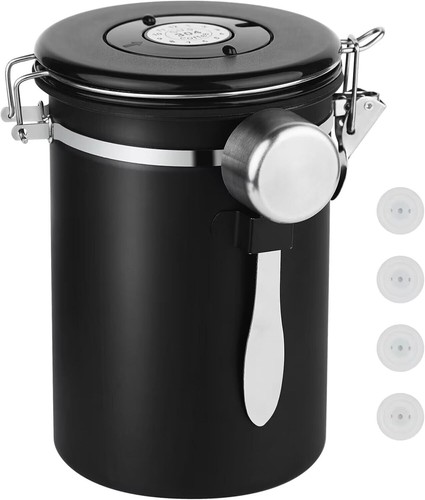
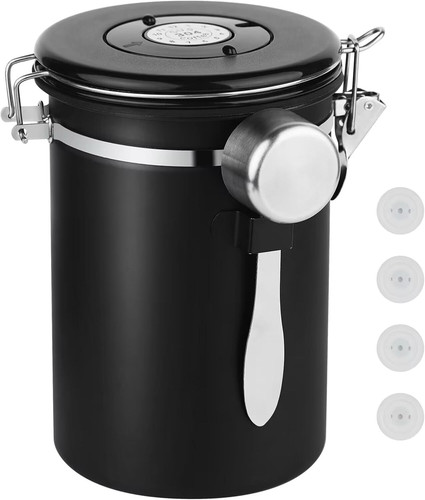
| Stainless Steel Vault | 16 oz / 450g | Stainless Steel | Yes (clamp lid, silicone gasket) | Yes | Yes | No | 6.5 x 4.5 in / 16.5 x 11.4 cm | Bulk storage, long-term freshness |
| Glass Canister with Bamboo Lid | 22 oz / 625g | Borosilicate Glass | Yes (silicone ring) | No | No | No | 8 x 4 in / 20.3 x 10.2 cm | Easy access, countertop display |
| Ceramic Airscape | 17 oz / 480g | Ceramic | Yes (inner air removal lid) | Yes | No | Partial (air displacement) | 7 x 5 in / 17.8 x 12.7 cm | Daily use, style + function |
| Vacuum Pump Container | 12 oz / 340g | Plastic (BPA-free) | Yes (pump-activated) | Optional (opaque models) | No | Yes (manual vacuum) | 5 x 4 in / 12.7 x 10.2 cm | Travel, small batches |
Amazon tends to carry the widest range of new models with same-week delivery — useful when you’ve already picked your shortlist.
Compare on Amazon →Why Most Coffee Beans Go Stale Too Fast
Whole bean coffee starts losing flavor as soon as it leaves the roaster. Oxygen is the main culprit, quickly breaking down aromatics and causing “flat” or “papery” brews. Light speeds up this process, especially if you store beans in clear jars on the counter. Humidity and temperature spikes are a recipe for mold and rancid oils. Most store packaging—think thin plastic or folded paper bags—is a short-term fix at best. That’s why a purpose-built container is one of the smartest investments for anyone who cares about flavor.
What Actually Preserves Freshness: The Science (Without the Hype)
Here’s what to look for if you want real results, not just marketing buzzwords:
- Airtight Seal: A quality silicone gasket and a clamp or screw-top lid make a huge difference. Look for containers with a measured pressure drop or a “burp” valve that lets you expel excess air. Many cheap containers only slow, but don’t stop, oxygen ingress—aim for less than 2% air exchange over 24 hours for true airtightness.
- Opaque or UV-Blocking Materials: Light can degrade chlorogenic acids and aromatics in days. Stainless steel or ceramic blocks 100% of UV; tinted glass blocks most, but clear glass is best avoided unless you keep it in a dark cupboard.
- One-Way CO2 Valve: Freshly roasted beans release carbon dioxide for up to two weeks. A one-way valve lets CO2 escape without letting air in. This matters most for home roasters or anyone buying super-fresh beans.
- Vacuum or Air-Displacement Feature: Removing air is the gold standard for long-term storage. Manual pump systems or inner plungers (like in some “airscape” designs) can drop internal pressure by 20-50 kPa, significantly slowing staling compared to basic airtight jars.
Material Showdown: Stainless, Glass, Ceramic, or Plastic?
Each material has trade-offs, and the best container for you depends on how you store and use your beans.
- Stainless Steel: Blocks all light, resists odors, and is nearly indestructible. The downside: you can’t see inside, and it’s heavier to move around, especially in larger sizes.
- Glass: Lets you see your beans—great for tracking freshness and knowing when to restock. But unless it’s tinted or you keep it in a cupboard, light exposure is a problem. Look for thick borosilicate to avoid chips and cracks.
- Ceramic: Stylish and opaque, ceramics keep beans cool and block light entirely. Watch for glazes that can chip, and make sure the lid is truly airtight (many aren’t).
- Plastic: Lightweight and often affordable. BPA-free models are safe, but plastic can absorb odors and stain over time. Opaque or tinted options are better than clear.
Choosing the Right Size: Don’t Overbuy
Most home brewers get better results by buying beans in small amounts and using a container sized for a week or two’s supply. A half-pound (8 oz / 227g) container is perfect for solo drinkers; 1-pound (16 oz / 454g) holds enough for a couple or a week of heavy use. Oversized containers leave excess air inside once you’ve dipped into your stash, which speeds up staling. Some advanced containers have adjustable lids or plungers that adapt to the changing volume of beans inside.
Countertop Convenience vs. Pantry Storage
If you brew daily and keep your container on the counter, prioritize looks, easy access, and UV protection. Opaque stainless or ceramic with a secure latch is ideal. If you store in a dark cupboard, glass works fine, and you can get away with simpler lids as long as you use the beans quickly. For travel or small spaces, compact vacuum-pump containers are hard to beat.
When a One-Way Valve Actually Matters
A one-way CO2 valve is only relevant for beans less than 10-14 days off roast. After that, CO2 outgassing drops off, and the valve becomes less critical. If you buy beans from a supermarket or chain that sit on shelves for weeks, you won’t see much benefit. Home roasters or those who buy ultra-fresh from local roasters should look for this feature.
How to Use Your Coffee Container for Maximum Freshness
For best results, fill your container with beans immediately after opening the roaster’s bag. Store in a cool, dry place—ideally below 70°F (21°C) and away from direct sunlight or appliances that give off heat. Never store coffee beans in the fridge (humidity and odors are a nightmare). If your container has a vacuum or air-displacement feature, use it every time you reseal. Clean your container every few weeks with mild soap and let it dry completely before refilling.
Is a Vacuum Seal Really Worth the Extra Cost?
Vacuum-sealed containers can extend peak flavor by a week or more, especially for pricier single origins or rare beans. If you’re drinking within 10-14 days, a basic airtight container is usually enough. But for those who buy in bulk, roast at home, or want to stretch a special bag, the investment pays off. Manual vacuum pumps are simple to use and don’t require batteries or charging. Check current prices to see if the upgrade fits your budget.
When to Replace Your Coffee Container
Even the best containers eventually wear out. Silicone gaskets lose elasticity after a year or two, and plastic can absorb coffee oils or odors over time. If you notice the seal isn’t as tight or your beans are going stale faster than usual, it’s time for a replacement. See today’s deals on top-rated options for a quick upgrade.
Amazon tends to carry the widest range of new models with same-week delivery — useful when you’ve already picked your shortlist.
Compare Options on Amazon →FAQs About Coffee Bean Storage Containers
How long do coffee beans stay fresh in a proper container?
With a truly airtight, opaque container kept at room temperature, most beans hold their best flavor for 2-4 weeks after roasting. Lighter roasts and vacuum-sealed containers can stretch that to 5-6 weeks. After that, expect a slow drop-off in aromatics and sweetness.
Should I store coffee beans in the freezer?
Freezing can work for long-term storage (months, not weeks), but only if beans are vacuum-sealed in small, airtight portions. For daily use, constant thawing and refreezing introduces condensation, which ruins flavor. For most home brewers, room temperature in an airtight container is simpler and safer.
Does a one-way valve really make a difference?
It does if your beans are less than two weeks off roast. The valve lets CO2 escape without letting oxygen in, preventing bag inflation and staling. For older beans, it’s less important than a solid airtight seal.
What container size is best for most home brewers?
Choose a container that matches your typical coffee-buying habits. For a solo drinker, 8-12 oz (225-340g) is usually enough for 1-2 weeks. For couples or heavier drinkers, a 16 oz (450g) container is a safe bet. Oversized containers leave too much air inside as beans are used up.
Can I use a regular mason jar or food storage container?
Mason jars with a tight-fitting lid are better than nothing, but clear glass lets in light and most standard lids aren’t 100% airtight. Food containers rarely have a true air seal or UV protection. For best results, invest in a purpose-built coffee container.
How do I clean my coffee container?
Wash every few weeks with mild soap and warm water. Avoid harsh detergents or abrasive sponges, especially on stainless or ceramic. Let all parts dry completely before refilling to prevent mold and off-flavors.
Upgrade Your Coffee Routine: Final Tips and Where to Buy
Stale beans are the silent killer of great coffee. A well-chosen container protects your investment and lets you taste every nuance your favorite roaster intended. Whether you go for the bulletproof reliability of stainless steel, the style of ceramic, or the techy edge of a vacuum-sealed pump, invest in a model with real specs—not just pretty packaging. Ready to make the switch? Compare current options and see which container fits your kitchen, your workflow, and your taste buds best.
Related Guides