Disclosure: As an Amazon Associate, we earn from qualifying purchases. This doesn’t affect what we recommend or how we describe it.
7 min read
Ever wondered why some coffee drinks—like the flat white or cold foam cold brew—suddenly appear everywhere, from your neighborhood café to chain menus, while others vanish after a few months? The process behind a coffee drink becoming a “standard” menu item is a mix of experimentation, customer demand, barista culture, and even the capabilities of home brewing gear. Whether you’re curious about how signature café drinks go mainstream or you want to try your hand at inventing the next coffee hit, understanding this process gives you a leg up as a home coffee enthusiast or aspiring menu innovator.
From Experiment to Everyday: How a Coffee Drink Earns Its Spot
New coffee drinks don’t just appear out of thin air. Most start as off-menu creations—sometimes a barista riff on a classic, sometimes a customer’s quirky request. But for a drink to make the leap from novelty to “standard,” it has to clear several hurdles:
- Consistency: Can the drink be made reliably, with equipment found in most cafés and homes?
- Popularity: Do enough people order it, or does it generate buzz on social media?
- Scalability: Is it practical to make during a morning rush, or does it require too many steps?
- Ingredient Accessibility: Are the components easy to source year-round, or do they rely on seasonal or niche products?
For home brewers, replicating or inventing a “standard” drink means thinking about these same factors. Can you make it with your current espresso machine (say, one with a 9-bar pump and a 58mm portafilter)? Will the drink work with a basic milk frother, or does it require precise microfoam? Can you grind fine enough for a true espresso base, or do you need to adapt the recipe for a moka pot?
Shopping new with fast Prime shipping? Amazon usually has the best stock.
Shop on Amazon →Comparing Coffee Gear: What Enables “Standard” Drinks at Home?
Not every home setup can handle every trending drink. Here’s how four common types of home coffee equipment stack up for making the kinds of drinks that become menu standards:
| Brewing Method | Pressure/Temp Range | Milk Frothing Ability | Drink Types Supported | Limitations |
|---|---|---|---|---|
| Manual Espresso Machine | 9 bars; 195–205°F (90–96°C) | Steam wand (microfoam possible) | Espresso, cappuccino, flat white, latte | Requires skill; learning curve for consistency |
| Automatic Capsule Machine | Up to 19 bars; 175–185°F (80–85°C) | Optional frother (macrofoam only) | Espresso, latte, flavored drinks | Limited customization; capsule cost |
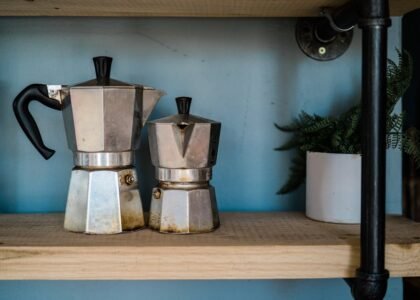
| Stovetop Moka Pot | 1.5 bars; boiling point extraction | External frother required | Moka, faux-espresso drinks, café au lait | Can’t make true espresso; less crema |
| Pour-Over Setup | N/A; manual water temp (ideal: 195–205°F/90–96°C) | None; separate frother needed | Black coffee, iced coffee, “white coffee” | No espresso-style drinks; limited for menu standards |
Want to upgrade your setup to tackle more café-style drinks? Compare current options for home espresso machines, milk frothers, and grinders to see what fits your budget and ambitions.
Why Some Coffee Drinks Go Mainstream (and Others Don’t)
Coffee trends move fast, but only a few drinks stick around long enough to become “standards.” The drinks that last tend to hit a sweet spot: easy to make, consistently tasty, and appealing to a wide range of tastes. The flat white, for example, owes its success in part to its simple recipe (double espresso + 4–6 oz microfoamed milk), compatibility with most espresso machines, and smooth, approachable flavor. In contrast, drinks that require hard-to-source syrups, complex garnishes, or finicky brewing steps rarely survive the leap to mainstream menus.
Social media plays a role, too. Viral drinks—think whipped coffee or “dirty” iced lattes—can drive huge demand almost overnight. But unless cafés and home brewers can recreate them easily (using, say, a hand mixer for whipped coffee or a robust cold brew maker for iced drinks), the trend fizzles out.
Related Guides
What Home Brewers Can Learn from the Menu Standardization Process
Home coffee enthusiasts often want to recreate their favorite café drinks, or even invent something new. Here are a few lessons from the way drinks become menu standards:
- Test for Consistency: Can you make the drink three times in a row with similar results? If not, tweak your recipe or technique. For example, if your milk texture is uneven, try adjusting steam tip position or milk temperature (aim for 140–150°F / 60–65°C).
- Choose Accessible Ingredients: Use what you can easily buy at the grocery store. Uncommon extracts or rare beans might taste great, but they make replication harder.
- Streamline Steps: The fewer steps, the better—especially if you want to make this drink part of your daily routine. Drinks that require three or more gadgets (like a blender, shaker, and frother) rarely become “standards.”
- Adapt for Your Gear: Not every home has a 9-bar espresso machine. If you’re inventing or adapting a drink, provide alternatives for moka pot or capsule users.
For those ready to level up their home setup, investing in a grinder with 40mm or larger burrs and a machine capable of stable, adjustable temperature (within ±2°F) can open the door to a wider range of drinks. See today’s deals on grinders and espresso machines to find the right fit for your kitchen.
Case Study: How the Flat White Became a Menu Staple
The flat white is a textbook example of a drink that started as a local specialty—in Australia and New Zealand—before going global. Here’s how it made the jump:
- Barista Innovation: Baristas began serving a smaller, milkier espresso drink with microfoam, distinct from a cappuccino.
- Customer Demand: Regulars started asking for it by name, and word spread to tourists and travelers.
- Replicability: The drink could be made with any espresso machine that could produce microfoam, using standard milk and double shots.
- Chain Adoption: Large coffee chains picked it up, introducing it to a global audience. Home brewers followed suit, adapting recipes for their gear.
Could you invent the next flat white? Start by perfecting your espresso base and milk frothing technique. View what’s available for entry-level espresso machines and milk frothers if you want to experiment at home.
Shopping new with fast Prime shipping? Amazon usually has the best stock.
Compare Options on Amazon →FAQs: How Do New Coffee Drinks Become “Standard” Menu Items?
How long does it usually take for a new coffee drink to become a standard menu item?
The timeline varies. Some drinks, like the pumpkin spice latte, moved from seasonal special to menu staple within two to three years. Others, like the flat white, took a decade or more to spread globally. Generally, a drink needs at least one to two years of sustained popularity before chains or cafés add it as a fixture.
Do home brewing trends influence what becomes a standard drink?
Absolutely. Viral home trends—such as whipped coffee (dalgona) during 2020—can push cafés to add similar drinks to their menus. If enough people can make a version at home, demand often grows for a café-quality version, which can help a drink become a standard.
What equipment do I need at home to make most standard café drinks?
A reliable espresso machine (9 bars of pressure, temperature stable between 195–205°F), a burr grinder (at least 40mm burrs), and a milk frother or steam wand cover the basics for espresso-based standards. For cold drinks, a cold brew maker or French press works well. Capsule machines can approximate some drinks but offer less control.
Can drinks with unique or hard-to-find ingredients ever become standard?
It’s rare. For a drink to become standard, its ingredients need to be widely available. Specialty syrups or rare origins might appear as limited-time offers, but true menu standards stick to accessible components like espresso, milk, and common flavorings (vanilla, caramel, chocolate).
How do cafés decide which drinks to add as permanent menu items?
Cafés monitor sales data, customer feedback, and production speed. If a drink sells well, can be made quickly (ideally under 2 minutes), and doesn’t require extra training or equipment, it’s a strong candidate for standardization.
What’s the best way to experiment with creating my own coffee drink at home?
Start with a familiar base (espresso, milk, brewed coffee) and tweak one element at a time—such as milk texture, sweetness, or temperature. Keep notes on ratios and methods. Test your drink for consistency and simplicity. If you can make it reliably and enjoy it, you’re on the right track!
Final Thoughts: Bringing Café Standards to Your Kitchen
Whether you want to recreate a menu favorite or dream up the next big thing, understanding how new drinks become “standard” helps you focus on what matters: consistency, simplicity, and accessibility. The right gear and a little experimentation let you bring the best of the café home. Ready to upgrade your setup or try new recipes? Check current prices on espresso machines, grinders, and accessories to start your next coffee adventure.