6 min read
Disclosure: As an Amazon Associate and eBay Partner Network publisher, we earn from qualifying purchases. This doesn’t affect what we recommend or how we describe it.
Spent coffee pucks pile up fast when you’re making espresso at home. A coffee knock out box—sometimes called a knock box—gives you a fast, clean way to dispose of used grounds without clogging your sink or making a mess of your trash. Whether you’re new to espresso or dialing in your daily routine, understanding what a coffee knock out box is (and how to choose one that fits your needs) can make your home coffee setup less frustrating and a lot tidier.
What a Coffee Knock Out Box Actually Does
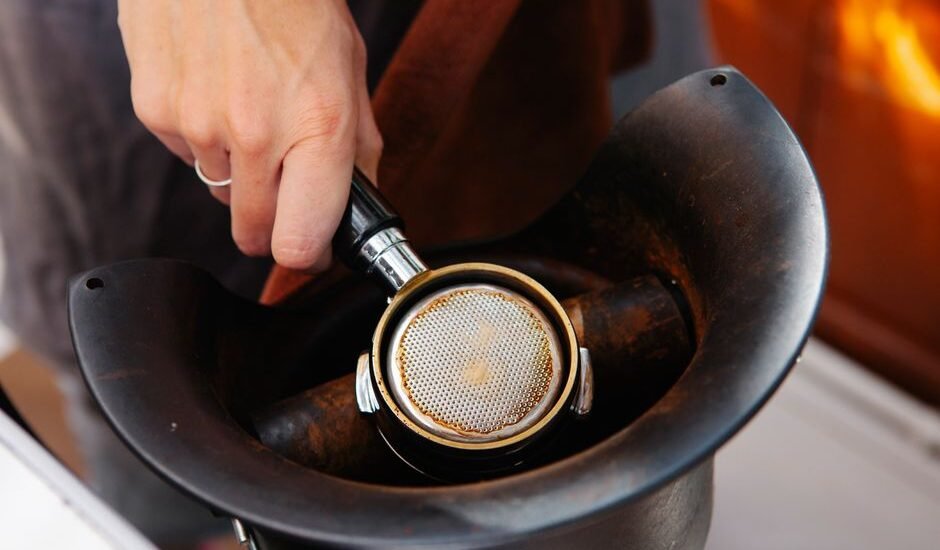
A coffee knock out box is a simple but essential tool for anyone pulling espresso shots at home. It’s a container with a sturdy bar across the top, designed so you can whack your portafilter against it to eject the compacted puck of spent coffee. Instead of scraping grounds out with a spoon or dumping them in the sink (which risks plumbing issues), you knock them out in one motion. The box collects the pucks, keeps your counter clean, and makes disposal easy—often doubling as a catch-all for rinsing portafilters between shots.
Why Not Just Dump Grounds in the Trash or Sink?
Spent espresso grounds are dense, sticky, and tend to clump. If you try to rinse them down the sink, you risk slow drains or even clogs. Tossing them directly in the trash can leave wet coffee streaks on your bin, attract fruit flies, and get messy fast—especially if you brew more than one shot a day. A knock out box centralizes the mess, lets grounds dry out (which reduces odor), and makes it easy to empty the whole batch into your compost or trash later.
Types of Knock Out Boxes and How They Compare
Not all knock out boxes are built alike. Some are designed for small apartment counters; others can handle the demands of a multi-shot morning routine. Here’s a side-by-side look at the main types you’ll run into, with real specs to help you choose:
| Type | Capacity (oz) | Footprint (inches) | Bar Material | Dishwasher Safe | Price |
|---|---|---|---|---|---|
| Compact Countertop | 12–16 | 4×5 | Rubber-coated steel | Yes | $ |
| Mid-size Tub | 20–32 | 6×7 | Solid rubber | Base only | $$ |
| Drawer Style | 24–40 | 8×10 | Stainless steel | No | $$$ |
| Under-Grinder Tray | 18–24 | 6×8 | Plastic with steel core | Yes | $$ |
$ / $$ / $$$ indicates budget / mid-range / premium relative to the picks above. Check live listings further down for current prices.
What to Look for in a Knock Out Box for Home Use
There’s more to a knock out box than just a bin with a bar. Here’s what actually matters when you’re shopping:
- Capacity: Most home users get by with a 12–16 oz box (enough for 8–10 double shot pucks). If you make several drinks back-to-back or share your setup, look for 20+ oz.
- Stability: A box that slides around is a recipe for disaster. Look for non-slip rubber bases at least 3mm thick, or weighted bottoms for drawer styles.
- Noise Reduction: A rubberized or silicone bar (not bare metal) cuts down on clatter—especially if you’re making coffee in the early morning.
- Ease of Cleaning: Dishwasher-safe bins save time, but not all drawer or metal styles are. Check if the bar is removable for thorough cleaning.
- Footprint: Measure your counter. A compact box can fit beside most home espresso machines (4×5 inches), while drawer styles need more space but can double as a grinder stand.
Real-World Tips for Using a Knock Out Box at Home
Even the best knock out box won’t solve every mess unless you use it right. Here’s what I’ve learned after years of home espresso:
- Don’t let grounds sit too long. Empty your box every 1–2 days. Wet grounds can develop mildew or attract gnats, especially in warm kitchens.
- Rinse the bar regularly. Coffee oils build up on the knock bar and can get rancid. A quick scrub with dish soap every few days keeps odors down.
- Compost your grounds. Most home boxes make it easy to dump grounds into a green bin or compost pile. Letting them dry out first reduces weight and mess.
- Use a liner if you hate cleaning. Some enthusiasts line their box with a compostable bag—makes emptying even easier, though it can affect the “knock” feel.
- Don’t overload it. When the box is more than half full, pucks start to bounce out or stick to each other. Empty before it gets to that point.
Related Guides
- Coffee Knock Boxes That Are Actually Worth Buying
- How to Season a New Coffee Grinder: A Step-By-Step Guide
- The Best Reusable Coffee Filters Worth Buying
- How Do New Coffee Drinks Become Standard Menu Items?
- Coffee Grinder Cleaning Brushes That Actually Work
- Browse all Coffee Essentials →
- Our guide to New Brew Chamber vs a 4-Year-Old One: Does Age Really Matter?
Who Needs a Knock Out Box—and Who Doesn’t?
If you brew espresso daily, a knock out box is a game-changer. It saves time, protects your garbage disposal, and keeps your routine smooth. Even single-boiler machines and budget setups benefit from one. The only exception: if you only make espresso once a week, you might get by without it—but most folks quickly realize it’s worth the small investment for the convenience alone.
Knock Out Box FAQs
Do I really need a knock out box for home espresso?
You can get by without one, but it’s messy and inconvenient. Scraping grounds out with a spoon or rinsing them down the drain is slow and can cause plumbing issues. A knock out box streamlines clean-up and keeps your coffee area tidy.
How big should a knock out box be for home use?
For most home setups, a 12–16 oz box is enough. That holds about 8–10 double-shot pucks. If you make more than 3–4 drinks at a time, consider a 20+ oz model.
Can I put a knock out box in the dishwasher?
Many plastic or silicone boxes are top-rack dishwasher safe, but always check the manufacturer’s specs. Drawer-style boxes or those with glued-in bars usually need to be hand washed. Removable bars make cleaning much easier.
What’s the best way to empty a knock out box?
Let the grounds dry out a bit, then dump them into compost or trash. If you want less mess, line the box with a compostable bag or paper towel.
Will a knock out box fit under my espresso machine?
Compact and under-grinder styles are designed to fit beside or under most home machines. Drawer styles take up more space, so measure your setup before buying.
What are knock bars made of, and does it matter?
Most bars are either solid rubber, rubber-coated steel, or dense silicone. Rubberized bars absorb shock and reduce noise, while bare metal can dent your portafilter or make a racket. For home use, a rubberized bar is best.
Compare current optionsBottom Line: Is a Knock Out Box Worth It?
For anyone making espresso at home more than occasionally, a knock out box is one of those “why didn’t I get this sooner?” accessories. It keeps your process efficient, protects your plumbing, and simplifies cleanup. Whether you need a compact bin or a larger drawer style, there’s an option for every budget and kitchen size. Skip the mess—pick the right box for your setup and enjoy a smoother morning routine.
Last updated: May 2026 · How we cover this topic