7 min read
Disclosure: As an Amazon Associate and eBay Partner Network publisher, we earn from qualifying purchases. This doesn’t affect what we recommend or how we describe it.
After a few mornings of struggling to pour a clean rosetta with a hand whisk or low-powered steam wand, you start to wonder: can an automatic milk frother actually make microfoam good enough for latte art at home? This is where most home brewers hit a crossroads—do you keep practicing with your current setup, or invest in a dedicated frother that promises café-quality results? This guide breaks down what matters when choosing an automatic milk frother for latte art, compares the main types, and shows you exactly what to look for to get reliable, silky milk every time.
How Different Automatic Milk Frother Types Stack Up for Latte Art
| Type | Foam Texture Control | Milk Capacity | Heating Range | Ease of Cleaning | Price |
|---|---|---|---|---|---|
| Induction Jug Frother | Variable (2–4 settings) | 8–16 oz (240–475 ml) | 120–160°F (49–71°C) | Non-stick, dishwasher safe | $$$ |
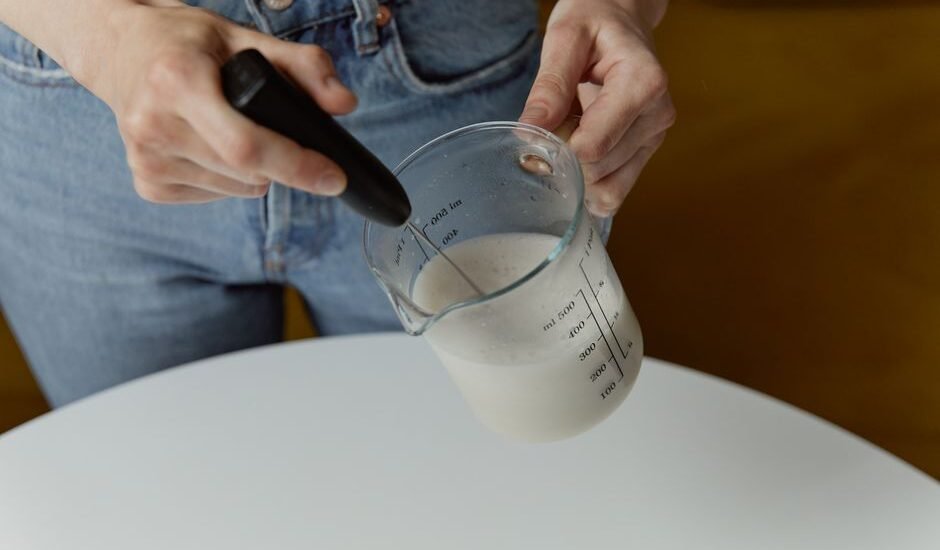
| Handheld Electric Wand | Minimal (1 setting) | Up to 10 oz (295 ml) | Milk must be pre-heated | Rinse under tap | $ |
| Auto Steam Pitcher | Precise (dial/programmable) | 12–20 oz (355–590 ml) | 130–170°F (54–77°C) | Removable parts, wipe down | $$$ |
| Heated Whisk Frother | 2–3 foam levels | 6–12 oz (180–355 ml) | 140–160°F (60–71°C) | Non-stick, hand wash | $$ |
Pricing key: $ marks the budget tier, $$ the mid-range, $$$ the premium picks. Tiers are relative to the products in this comparison; actual prices update live below.
Why Most Home Frothers Fall Short for Latte Art
Pouring latte art isn’t just about getting bubbles in milk—it’s about creating glossy, creamy microfoam with bubbles so fine you can’t see them. The reality is, most entry-level frothers whip up milk that’s too airy or too thick, better for cappuccinos or hot chocolate than for artful pours. Only certain types of automatic frothers can consistently deliver the right texture. Here’s what to look for:
- Microfoam capability: The machine should produce foam so smooth it pours like paint—think “wet paint” consistency, not stiff peaks.
- Temperature accuracy: For latte art, aim for milk between 140–150°F (60–65°C). Too hot and you lose sweetness; too cold and the texture falls apart.
- Control over foam levels: The best frothers let you choose between dense foam and silky microfoam, often via a button or switch.
- Pitcher shape: A jug with a spout makes pouring art much easier than a cup-shaped container.
For a deeper dive on how milk chemistry changes with temperature and agitation, check out Serious Eats—their coffee science section is a goldmine for home enthusiasts.
Who Should Consider Each Frother Type?
Choosing the right frother is about matching your expectations and kitchen workflow. Here’s how the main types compare in real-world use:
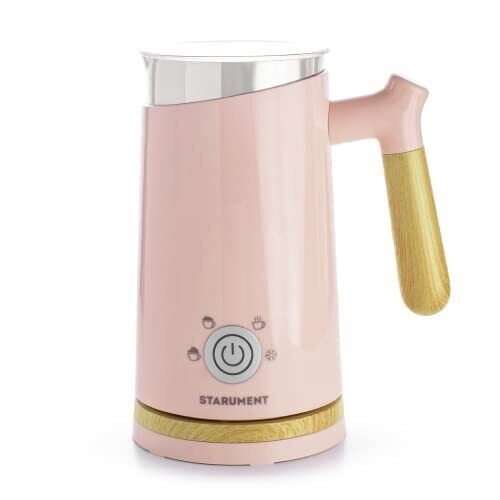
- Induction jug frothers are the closest you’ll get to café results without a full espresso machine. They heat and spin milk magnetically, with multiple settings for texture. If you want latte art and don’t mind premium pricing, this is the safest bet. Check current prices
- Handheld electric wands are cheap and cheerful but rarely make true microfoam. They’re fine for lattes and hot chocolate, but latte art is hit-or-miss. Best for casual drinkers and budgets under $50.
- Auto steam pitchers mimic a commercial steam wand, with programmable temperature and texture. They’re larger and pricier, but deliver the most “barista-like” results. Great for serious home artists or those making drinks for a crowd. Compare current options
- Heated whisk frothers offer a middle ground: decent foam, automatic heating, and a compact footprint. Some can get close to latte art quality, especially with whole milk and practice. See today’s deals
Related Guides
- Automatic Milk Frothers for Latte Art: What Actually Works?
- How to Clean a Milk Frother: A Step-by-Step Guide
- Automatic Drip Coffee Makers: A No-Nonsense Buyer’s Guide
- Our guide to Milk Frothers for Lattes: A Practical Buyer’s Guide
- How to Froth Milk Without a Steamer: Easy Methods for Home Brewers
- Our guide to How Manual Milk Frothers Work: A Simple Guide for Home Brewers
Common mistakes to avoid
- Buying on wattage alone: High wattage doesn’t guarantee microfoam—pay attention to temperature accuracy and texture settings, not just power.
- Ignoring pitcher shape: A wide, round jug makes pouring art much harder. Look for a spouted pitcher if you want real latte art control.
- Assuming all “latte” frothers make microfoam: Many frothers labeled for “lattes” create stiff foam, not the glossy liquid needed for art.
- Overfilling the jug: Most frothers have a max fill line for a reason—overfilling leads to uneven heating and bad texture.
- Skipping cleaning: Milk residues build up fast and ruin both taste and foam texture. Make sure you can easily clean every part that touches milk.
What to Expect From Each Frother: Real-World Results
Even the best automatic frother won’t exactly match a pro steam wand, but you can get surprisingly close. Here’s what you’re likely to experience with each type:
- Induction jug frothers can create microfoam fine enough for hearts, tulips, and simple rosettas. The milk pours smoothly and integrates with espresso, though ultra-intricate designs are still tough. Practice helps.
- Handheld wands tend to make larger bubbles and inconsistent foam. You might get a passable heart, but fine lines and symmetry are difficult.
- Auto steam pitchers are the top performers—if you’re chasing café-style art, this is the closest you’ll get at home, provided you use fresh, cold milk and don’t overheat.
- Heated whisk frothers can be hit or miss. Some recent models get close to microfoam, but technique (such as swirling the jug) is still needed for the best results.
For more on the science of milk foaming and why microfoam matters for latte art, see National Coffee Association.
FAQs: Automatic Milk Frothers for Latte Art
Can an automatic frother really make microfoam suitable for latte art?
Some automatic frothers—especially induction jug and auto steam pitcher types—can get close to true microfoam. The key is a machine that offers fine control over foam density and heats milk to the ideal range of 140–150°F (60–65°C). Cheaper frothers often fall short, producing foam with large bubbles or insufficient texture for art.
How long does it take to froth milk for latte art?
Most automatic frothers designed for latte art take between 60 and 120 seconds per batch. Induction jug models are usually fastest, while handheld wands depend on how long you manually froth and whether you need to preheat the milk separately.
Which is better for latte art: induction jug or heated whisk frother?
For consistent, silky microfoam, induction jug frothers have an edge. They offer more precise temperature and texture control, and tend to create finer foam. Heated whisk frothers are more affordable and compact, but usually produce slightly less smooth results. If your focus is on latte art quality, go with induction jug models.
Will these frothers work with non-dairy milks?
Most automatic frothers can handle oat, soy, or almond milk, but results vary. Look for frothers with adjustable temperature and foam settings, as plant milks usually require slightly lower heat (130–140°F/54–60°C) for best texture. Some non-dairy milks never achieve true microfoam, so expect a learning curve and some trial-and-error with brands and recipes.
What’s the typical warranty or return policy for automatic frothers?
Most mid-range and premium frothers offer a 1-year warranty covering manufacturing defects. Returns are usually accepted within 30 days if purchased from reputable retailers. Always check that replacement parts (like whisks or seals) are available, as these are the most common failure points.
How much milk should I use for one latte art pour?
For a standard 6–8 oz (180–240 ml) latte, start with about 5 oz (150 ml) of cold milk in your frother. This allows room for expansion as the milk foams and heats, and yields enough microfoam for a proper pour without overflow.
What are the main cleaning challenges with automatic frothers?
Milk residue builds up quickly in frother jugs and whisks, leading to off flavors and poor foam. Look for models with non-stick coatings or dishwasher-safe parts. Always rinse and wipe down the jug immediately after use—dried milk is much harder to remove and can damage the machine over time.
Final Thoughts: Getting the Most from Your Automatic Milk Frother
Automatic milk frothers can absolutely raise your home coffee game—if you choose the right type and use it correctly. For latte art, prioritize microfoam capability, temperature control, and a pitcher you can actually pour from. Don’t expect perfection on day one, but with a solid frother and a bit of practice, you’ll be pouring hearts and tulips in your own kitchen before long. Ready to upgrade? View what’s available and find the best fit for your latte art journey.



Last updated: June 2026 · How we cover this topic