Disclosure: As an Amazon Associate and eBay Partner Network publisher, we earn from qualifying purchases. This doesn’t affect what we recommend or how we describe it.
6 min read
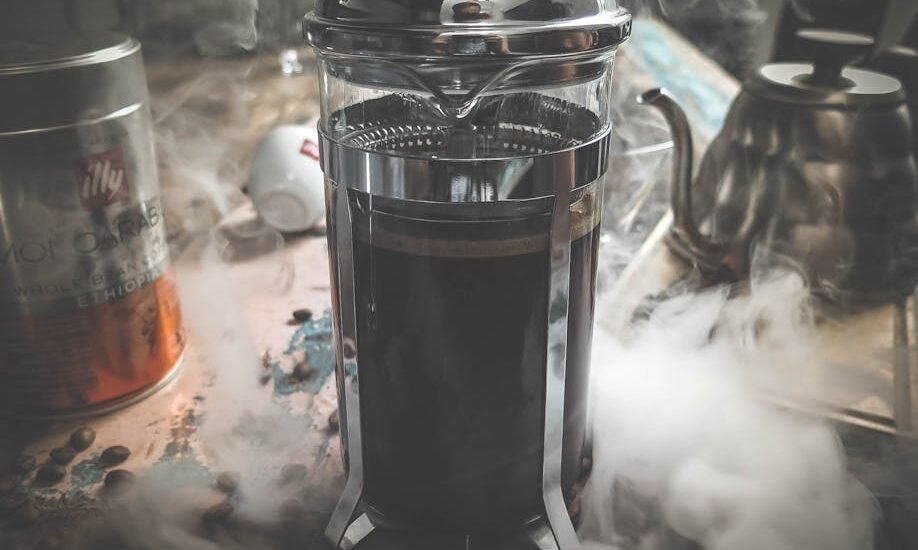
Preheating your French press is the simplest trick for getting hotter, fuller-bodied coffee at home. Yet most guides gloss over it or skip the details. If your French press brew ever tastes flat or cools off too quickly, the problem might not be your beans or grind—it’s probably your brewing temperature. Here’s exactly how to preheat your French press for better extraction, hotter coffee, and a more satisfying cup, with practical tips for every kitchen setup.
Why Preheating Your French Press Matters
Glass and stainless steel French presses are notorious for sucking heat out of your brew water. Even a thick-walled press can drop your water temperature by 10–20°F the moment you pour it in—enough to stall extraction and leave you with weak, underwhelming coffee. Preheating minimizes this temperature loss, helping you stay in the ideal 195–205°F (90–96°C) range for extraction. The result: richer flavor, more consistent results, and coffee that stays hot longer in the carafe.
Comparison Table: Four Ways to Preheat a French Press
| Approach | Time Required | Water Usage | Heat Retention | Price | Cleanup |
|---|---|---|---|---|---|
| Boiling Water Fill | 1–2 min | 8–34 oz (240–1000 ml) | Good (drops ~5–10°F) | $ | Easy |
| Hot Tap Water Rinse | 30 sec–1 min | 8–34 oz (240–1000 ml) | Fair (drops ~10–20°F) | $ | Easy |
| Electric Kettle Preheat | 1–2 min | 8–34 oz (240–1000 ml) | Excellent (drops ~3–5°F) | $$ | Easy |
| Thermal Carafe Preheat | 2–3 min | 8–34 oz (240–1000 ml) | Best (drops ~1–3°F) | $$$ | Moderate |
Price: $ = budget, $$ = mid-range, $$$ = premium — relative to the options compared above. Live prices and current stock are below.
How Different Preheating Methods Affect Your Coffee
Each preheating approach above has pros and trade-offs. Using boiling water directly in the press is the most straightforward, but it doesn’t retain as much heat as using a thermal carafe. Hot tap water is fast and convenient, but most home tap water maxes out at 120–140°F (49–60°C), which barely warms the glass or metal. An electric kettle with adjustable temperature lets you target 205°F (96°C), preheating the press to near-perfect conditions—especially useful for larger presses where thermal mass matters more. Premium thermal carafe presses can be preheated with boiling water, then retain heat so well your coffee will still be hot an hour later, but they cost more and require a more thorough rinse to avoid lingering flavors.
For most home brewers, the electric kettle method strikes the best balance of convenience, heat retention, and price. If you’re in the market for a new kettle, see today’s deals on variable-temp models—they’re game-changers for French press and pour-over alike.
Step-by-Step Guide: How to Preheat Your French Press
- Boil your water. Heat enough water to fill your French press to the brim—typically 12–34 oz (350–1000 ml), depending on your press size. Use filtered or bottled water for best taste.
- Fill the French press with hot water. Pour the boiling (or near-boiling) water into the empty press, ensuring all surfaces are in contact with the water, including the plunger and lid if possible.
- Let it sit for at least 1 minute. Swirl the water gently to warm the glass or metal evenly. For thermal carafe presses, give it 2–3 minutes for maximum heat retention.
- Discard the preheat water. Carefully pour out all the hot water. If you want to preheat your coffee mug too, pour some of this water into your cup before discarding.
- Add coffee grounds and brew as usual. Now your French press is preheated and ready for fresh coffee, with minimal temperature loss during steeping.
Related Guides
Tips for Getting the Most Out of Preheating
Consistency is key. Always preheat your press before brewing—especially if you’re chasing the perfect extraction window. For larger presses (over 32 oz/1 liter), you may need to swirl or let the preheat water sit a little longer. If you use a stainless steel press, remember that metal conducts heat away faster than glass, so don’t skip this step. For glass presses, avoid thermal shock: never pour boiling water into a cold press that’s just come from the fridge—let it come to room temperature first to prevent cracking.
If you’re regularly making back-to-back batches or serving a crowd, consider a double-walled or thermal French press. These models retain heat far better, especially when properly preheated. Compare current options if you’re thinking about upgrading your setup for heat retention and durability.
Common Mistakes to Avoid When Preheating
- Using tap water that’s too cool: Most taps don’t get hot enough to preheat effectively. Always use water above 195°F (90°C) for best results.
- Skipping the plunger: Forgetting to preheat the plunger and lid can cause rapid heat loss when you insert them later. Briefly immerse them in hot water too.
- Pouring out the preheat water too soon: Give the press at least 1 minute to absorb heat—30 seconds isn’t enough for larger or thicker-walled models.
- Neglecting to preheat your cup: Even if your press is hot, a cold mug will sap heat from your brew. Swirl some hot water in your cup before pouring coffee.
FAQs: Preheating the French Press — What Home Brewers Really Ask
How much hotter does preheating make my coffee?
Preheating your French press can keep your brew 10–20°F (5–11°C) hotter compared to brewing in a cold press. This means your coffee stays closer to the optimal extraction temperature, resulting in fuller flavor and a hotter cup for longer.
Is boiling water safe for all French presses?
Most borosilicate glass and stainless steel presses handle boiling water (212°F/100°C) just fine, but avoid pouring boiling water into a cold or refrigerated glass press to prevent cracking from thermal shock. Always check your press’s instructions for maximum safe temperature.
Hot tap water vs. kettle — which is better for preheating?
Hot tap water rarely exceeds 140°F (60°C), while a kettle delivers water at 195–212°F (90–100°C). Kettle water preheats much more effectively, resulting in a hotter, better-extracted brew. Tap water is better than nothing, but can’t match the results of a proper kettle preheat.
How long should I leave the hot water in before brewing?
Let the hot water sit in your French press for at least 1 minute. For larger presses or thermal models, 2–3 minutes ensures even heat absorption. This extra time can make a noticeable difference in brew temperature and taste.
Does preheating really matter for a thermal French press?
Even though double-walled or vacuum-insulated presses retain heat well, preheating them maximizes their performance. Skipping this step means the inner wall still draws heat from your brew water, leading to a cooler, less flavorful cup.
What if my French press loses heat too quickly anyway?
If your press loses heat fast, consider upgrading to a thermal model or brewing smaller batches to reduce heat loss. You can also wrap a towel around the press or use a press cozy for extra insulation. View what’s available if you’re interested in higher-retention options.
Is preheating worth the effort for just one cup?
Even a single-cup French press benefits from preheating. The small effort pays off with hotter, more flavorful coffee, especially if you’re brewing with specialty beans or want to enjoy your cup slowly.
Does preheating affect warranty or returns?
Preheating with boiling water is standard use for most French presses and does not void warranties. However, glass breakage from thermal shock isn’t usually covered, so always avoid sudden temperature changes and follow the manufacturer’s care instructions.
Dig Deeper: The Science of Heat Loss and Extraction
Coffee extraction depends on stable, high water temperatures—ideally between 195–205°F (90–96°C). According to the Specialty Coffee Association’s cupping protocols, even small drops in temperature can change the extraction profile, affecting sweetness, acidity, and body. Preheating your brewing vessel is a simple way to keep your extraction window dialed in at home without expensive equipment.
Bottom Line: Don’t Skip the Preheat
Preheating your French press takes less than two minutes but delivers a real upgrade in flavor, aroma, and heat retention. Whether you’re using a classic glass beaker, a rugged stainless steel model, or a double-walled thermal press, making this step a habit will help you get the most out of your beans. If you’re ready to step up your French press game, check current prices on thermal presses and variable-temp kettles—two worthwhile upgrades for any home brewer chasing great coffee.
Last updated: May 2026 · Our research process