7 min read
Disclosure: As an Amazon Associate and eBay Partner Network publisher, we earn from qualifying purchases. This doesn’t affect what we recommend or how we describe it.
Deciding between pour over and drip coffee makers comes down to how much control you want, how hands-on you like to be with your brewing, and what kind of flavor you’re after in your daily cup. Both methods brew filter coffee, but the experience, results, and even the cleanup can be worlds apart. Here’s what you need to know to confidently choose the right approach for your home coffee setup—whether you’re just starting out or looking to upgrade your morning ritual.
Pour Over vs Drip Coffee Makers: Side-by-Side Comparison
| Method | Control Over Brew | Capacity (oz) | Brewing Time (min) | Cleanup Effort | Price |
|---|---|---|---|---|---|
| Manual Pour-Over Kit | Full (flow rate, temp, agitation) | 10–20 | 3–5 | Low | $ |
| Automatic Drip Machine (Basic) | Low (fixed temp and flow) | 30–60 | 5–8 | Medium | $$ |
| Automatic Drip Machine (Programmable) | Medium (adjust temp, bloom) | 40–70 | 5–10 | Medium | $$$ |
| Single-Serve Pour-Over Stand | Full (precise, single cup) | 8–12 | 2–4 | Low | $ |
$ / $$ / $$$ indicates budget / mid-range / premium relative to the picks above. Check live listings further down for current prices.
Hands-On Control: Pour Over’s Main Advantage
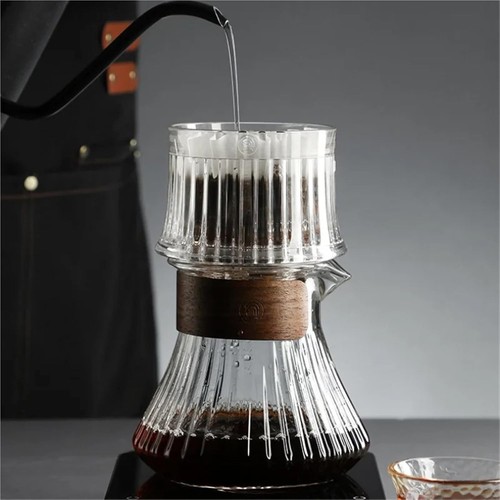
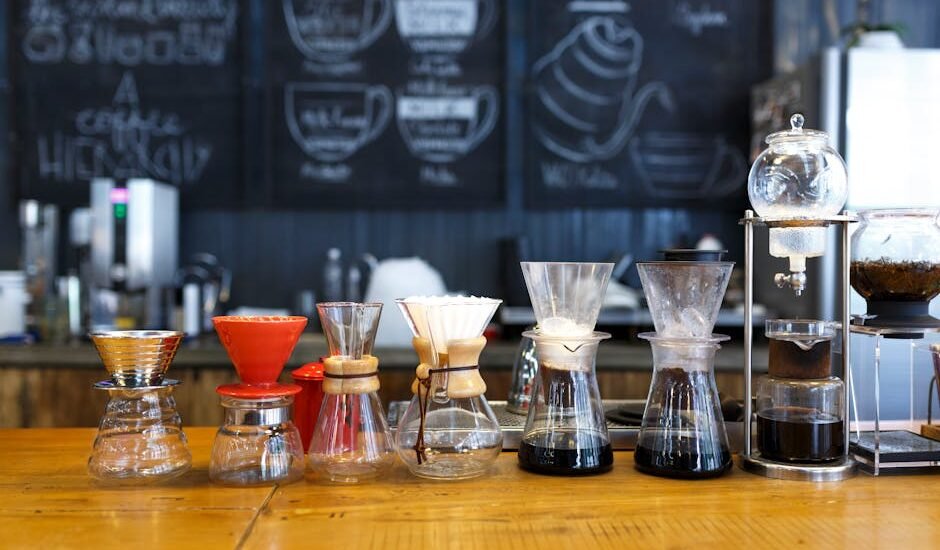
Pour over brewing gives you direct control over every variable that matters: water temperature (typically between 195–205°F), pour speed, bloom phase, and agitation. This hands-on approach lets you tailor the cup to the specific coffee beans you’re using. A gooseneck kettle, for example, allows you to control the water flow within a few milliliters per second, which can highlight delicate floral notes or balance acidity. For those who love to experiment or want to dial in their coffee to the gram, pour over is as close as you’ll get to “craft” coffee at home without commercial gear.
Consistency and Convenience: Where Drip Machines Shine
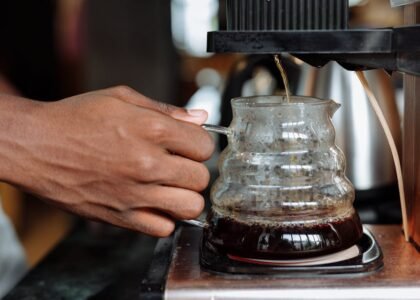
Drip coffee makers, especially programmable models, offer push-button simplicity and consistency. Water temperature is controlled automatically (though not always precisely—some budget units fluctuate by ±10°F), and you can brew large batches—up to 70 ounces—in one go. Many units let you set a timer, so you wake up to fresh coffee. If you’re brewing for a family or want something hands-off on busy mornings, this is a major plus. Just keep in mind: cheaper drip machines often use plastic parts that can affect taste, and not all have pre-infusion or bloom phases, which can leave flavor on the table.
Flavor Differences: What to Expect in the Cup
Pour over typically yields a cleaner, brighter cup with more pronounced flavors, especially when paired with a high-quality burr grinder (look for a range of 400–800 microns for filter brewing). The manual method lets you fine-tune extraction, so subtle notes shine through. Drip coffee, by contrast, often tastes a bit muddier or flatter, especially if the machine doesn’t maintain a stable temperature or uses a cheap showerhead that fails to evenly saturate the grounds. That said, high-end drip machines can come surprisingly close—if you use fresh, properly ground beans and filtered water.
Related Guides
- How to Descale a Drip Coffee Maker: A Step-by-Step Guide
- A No-Nonsense Guide to the Best Pour-Over Kits for Beginners
- How to Preheat a French Press for Better Coffee
- Our guide to Reusable Coffee Filters for Chemex: Which Ones Are Worth It?
- How to Remove Coffee Stains From Your Machine: A Simple Guide
- Our guide to How to Season a New Coffee Grinder: A Step-By-Step Guide
- Browse all Equipment Comparisons →
Batch Size and Brewing for a Crowd
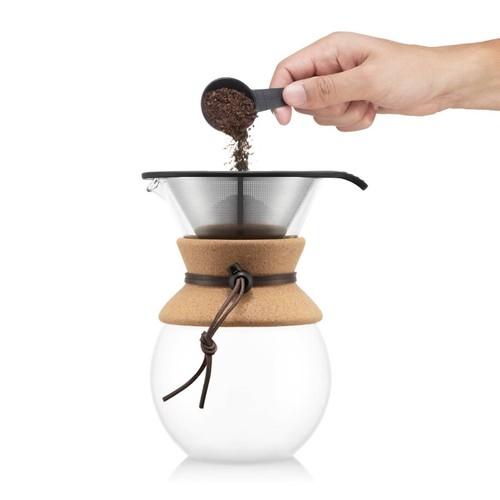
If you regularly brew for more than two people, a drip coffee maker’s larger capacity (40–70 oz) is a clear advantage. Pour over setups, even with larger carafes, are best for 1–3 cups at a time; brewing more means repeating the process, which can be tedious. Some manual pour over carafes can handle up to 8 cups (about 40 oz), but managing variables like even extraction becomes trickier at this scale. For solo drinkers or couples, though, pour over is practical and rewarding.
Cleanup and Maintenance: Which Is Easier?
Manual pour over gear is simple to clean: toss the filter, rinse the dripper and carafe, and you’re done in under a minute. No internal tubing or water reservoirs to worry about. Drip machines, on the other hand, require regular descaling (typically every 2–3 months, depending on water hardness) and have more parts—brew baskets, carafes, water tanks—that can harbor residue or mold. Some machines even alert you when it’s time to clean, but you’ll still need to disassemble and scrub periodically.
What to Look for in Each Method
For pour over, prioritize a dripper with good flow control and thermal stability; ceramic and metal retain heat better than plastic. Pair it with a burr grinder capable of producing consistent medium-coarse grounds (around 600 microns is ideal for most pour overs). For drip machines, seek out models certified by the Specialty Coffee Association for meeting temperature and extraction standards—a water temperature range of 195–205°F and a brew cycle of 4–8 minutes is the gold standard. Programmable features like bloom pre-infusion and adjustable temperature are worth paying for if you want the best automated results.
Brewing Gear Upgrades: Where to Spend and Where to Save
If flavor is your top priority, invest in a quality burr grinder before splurging on an expensive brewer. Consistent grind size (with variance under ±100 microns for filter coffee) has more impact on taste than most other factors. For pour over, a precision gooseneck kettle with variable temperature control (accuracy within ±2°F) is a game-changer. For drip machines, avoid models with thin glass carafes or non-removable water reservoirs—these are prone to breakage and harder to keep clean.
Compare current options to see which setups fit your budget and brewing style. If you’re leaning pour over, View what’s available in complete starter kits. For those considering a drip upgrade, See today’s deals on programmable machines with temperature control.
Frequently Asked Questions About Pour Over vs Drip Coffee Makers
Which method makes stronger coffee?
Strength depends on your coffee-to-water ratio, not just the method. Pour over lets you easily adjust the ratio (often 1:15 to 1:17), while most drip machines use a fixed amount per cycle. If you want a bolder cup, pour over gives you more flexibility to experiment.
How long does it take to brew a full pot with each method?
A manual pour over for two cups takes about 4 minutes from the first pour to the last drip. A drip coffee machine can brew 8–12 cups in 5–10 minutes, depending on the model and capacity. Cleanup for pour over is typically faster, often under a minute.
Pour over vs drip: Which is better for single-cup brewing?
Pour over is ideal for brewing a single cup, as you can precisely control the amount and tailor the process to your taste. Most drip machines are designed for larger batches, and single-cup results can be inconsistent unless the brewer has a dedicated small-batch mode.
What are the most common points of failure for drip coffee makers?
Heating elements can burn out, plastic water reservoirs may crack, and brew baskets or carafe lids often wear out first. Machines with more electronics (like programmable models) can also suffer from faulty displays or sensors over time. Always check the warranty—many cover defects for 1–2 years, but consumable parts are usually excluded.
Can I use the same grind size for both methods?
Both pour over and drip coffee thrive with a medium grind, but pour over usually benefits from a slightly coarser setting (around 600 microns). Drip machines work best with medium grounds (about 500–600 microns), but some models with fine mesh filters require slightly coarser grinds to prevent clogging.
Does water quality matter more for pour over or drip?
Water quality affects both methods equally. Minerals in hard water can accumulate in drip machines, requiring more frequent descaling, while pour over simply reflects whatever is in your water. Using filtered water (with around 50–150 ppm total dissolved solids) helps ensure clean, consistent flavor regardless of method. The Wikipedia page on coffee preparation has more on water’s role in brewing.
Bottom Line: Which Should You Choose?
If you want total control, love experimenting, and usually brew for one or two people, pour over is the most rewarding path. If convenience, batch size, and consistent results are your priorities, a programmable drip machine is the better fit. Whichever you choose, invest in fresh beans, a quality grinder, and attention to detail—those factors will always matter more than the machine itself. For the latest gear and best deals, check current prices before making your final decision.
Last updated: May 2026 · How we cover this topic