8 min read
Disclosure: As an Amazon Associate and eBay Partner Network publisher, we earn from qualifying purchases. This doesn’t affect what we recommend or how we describe it.
Choosing between a stainless steel or copper kettle is about much more than just appearance. The material influences how quickly your water heats, how much maintenance you’ll need to do, and even what brewing features are available to you. This guide breaks down the real-world pros, cons, and overlooked details of both stainless steel and copper kettles—so you can confidently pick the one that best fits your home coffee routine.
Direct comparison: Stainless steel and copper kettle types
| Type | Heating Speed (to 205°F/96°C) | Temperature Hold Feature | Capacity (oz/L) | Weight (empty) | Price |
|---|---|---|---|---|---|
| The simplest, easiest-to-use option | 5-6 min (1L on gas) | No | 34 oz / 1.0 L | 17-22 oz (480-620g) | $ |
| The most feature-rich choice | 3-4 min (1L electric) | Yes (±2°F/1°C) | 33-40 oz / 1-1.2 L | 32-38 oz (900-1100g) | $$$ |
| The classic aesthetic pick | 3-4 min (1L on gas) | No | 27 oz / 0.8 L | 16-19 oz (450-540g) | $$$ |
| The premium option | 4-5 min (1L on gas) | No | 27 oz / 0.8 L | 17-20 oz (480-570g) | $$$$ |
Note on pricing: the $ symbols are relative tiers within this comparison — $ is the cheapest of the bunch, $$$ the priciest. Live listings (and exact prices) appear further on.
Everyday benefits and pain points
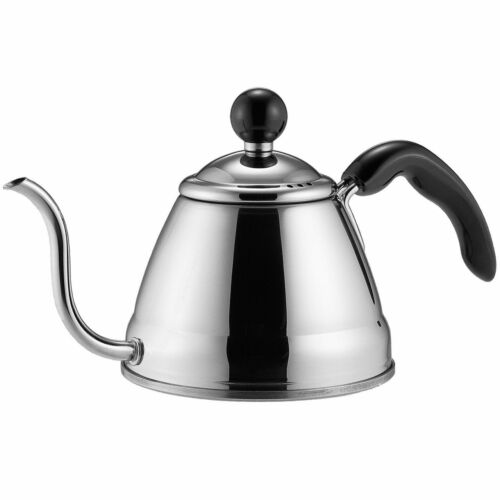
Material affects more than looks—it shapes how your kettle performs, how you maintain it, and even the flavor of your coffee. Stainless steel is the workhorse of home coffee gear. It resists rust, shrugs off dents, and can be tossed in the dishwasher. Most entry-level gooseneck kettles are stainless, and you’ll find them in sizes from 20 oz (0.6 L) to 40 oz (1.2 L).
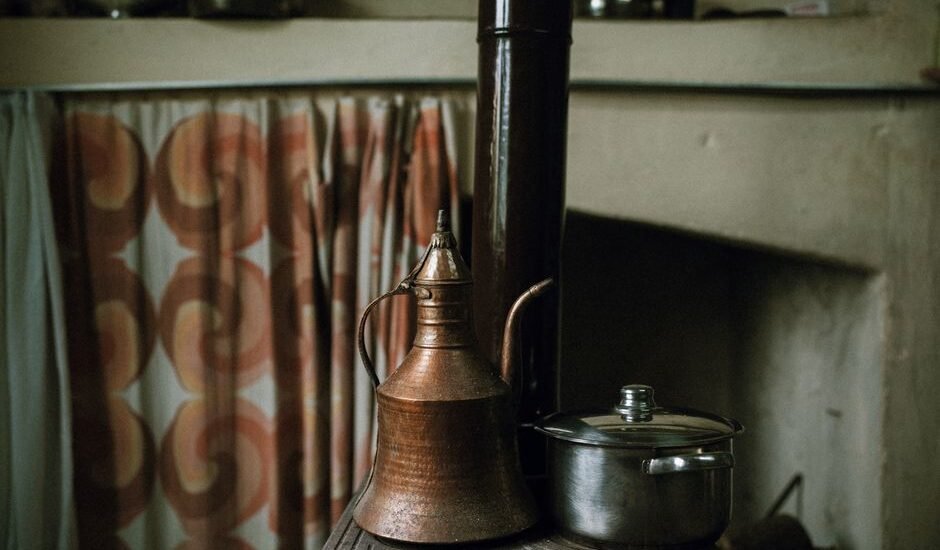
Copper, on the other hand, is prized for its rapid heat conduction—roughly twice as fast as stainless. This means you’ll reach your brew temp quicker, but copper is also soft and scratches easily. Pure copper kettles require regular polishing or they’ll tarnish. Many high-end copper kettles now line the interior with stainless steel to avoid copper leaching into your water and to ease cleaning.
Electric kettles with variable temperature control—almost always stainless steel—let you dial in the exact brew temp, often accurate to within ±2°F (1°C). Copper kettles rarely offer this feature, as most are stovetop models designed for visual appeal and fast heating.
For those brewing multiple cups or entertaining, capacity matters. Copper kettles typically max out at 27 oz (0.8 L), while stainless steel options regularly hit 34-40 oz (1-1.2 L), making them better for bigger batches.
Ready to upgrade your brewing setup? Compare current options for both stainless steel and copper kettles, and see which matches your needs and budget.
Who should choose stainless steel?
Stainless steel kettles are the go-to for most home brewers, especially if you want something durable and low-maintenance. If you’re brewing every day, you’ll appreciate how stainless resists stains and handles repeated heating. Basic models cost less, but even mid-tier ones with temp control and gooseneck spouts are less expensive than most copper options.
If you use induction, stainless steel is a must—most copper kettles won’t work unless they have a magnetic base. Stainless options are also easier to find in larger sizes and with safety features like auto shut-off or boil-dry protection.
Want to see which stainless steel kettles have the best features for the price? See today’s deals on top-rated options.
Who gets the most from copper?
Copper kettles are for those who love the ritual and aesthetics of coffee making. They heat water fast and look stunning on the stovetop, but they demand more care—polishing, gentle cleaning, and sometimes hand-drying to prevent tarnish. If you brew small, precise pour-overs and want your setup to double as kitchen art, copper shines (literally and figuratively).
However, copper isn’t for everyone. It’s a softer metal, so it can dent or warp if dropped. Unlined copper can react with water, so always choose a lined model for daily use. And if you want to use your kettle on induction, check carefully—many copper kettles simply won’t work.
Curious about the latest copper kettle designs and prices? View what’s available for home brewers today.
Related Guides
Common mistakes to avoid
- Ignoring compatibility: Many buyers grab a copper kettle only to find it won’t work on induction stovetops. Always check for a magnetic base if you use induction.
- Overlooking lining: Pure copper kettles without a stainless or tin lining can leach copper into your water, affecting taste and safety. Lined interiors are a must for regular use.
- Buying for looks alone: Copper kettles look great, but require regular polishing and gentle handling. If you want zero-maintenance, stainless steel is a better bet.
- Assuming all stainless steel is equal: Cheap stainless kettles can be thin and warp with repeated heating. Look for 18/8 or 304-grade stainless at a minimum for long-term durability.
- Choosing the wrong size: Small copper kettles may not hold enough water for more than one or two cups. Check listed capacity—don’t assume by photos.
Care, cleaning, and long-term durability
Stainless steel wins for easy cleanup. Most can go in the dishwasher, but hand washing preserves the finish. Even after years of use, stainless rarely rusts or stains if dried properly. For stuck-on mineral deposits, a vinegar soak (1:1 vinegar to water) for 30 minutes does the trick.
Copper needs more attention. Unlined interiors can develop patina (a greenish film), which you’ll need to remove with a specialized copper cleaner. Lined models are easier, but never use abrasive pads, as they’ll scratch both the lining and the copper exterior. Always dry thoroughly to prevent water spots and tarnish. For more on safe handling of food-contact metals, see the USDA’s food safety guidance.
Electric kettles—usually stainless—have electronic components that can fail. Expect a typical lifespan of 3-5 years for a mid-range model, with higher-end options sometimes lasting up to a decade if cared for and descaled regularly.
Environmental impact and recyclability
Stainless steel is highly recyclable and most kettles are made from a percentage of recycled material. At end of life, they can be recycled at most municipal centers. Copper is even more valuable as scrap, but it’s less common to find recycled-content copper kettles due to manufacturing complexity. If you’re considering environmental impact, stainless steel usually has a smaller footprint due to wider recycling programs and less intensive mining. For more on metal recycling in kitchenware, check the EPA’s recycling section.
FAQs: Stainless steel vs copper kettle
Does copper heat water faster than stainless steel?
Yes, copper conducts heat about twice as efficiently as stainless steel. In practice, this means a copper kettle can shave 1-2 minutes off boiling a full liter, especially on a gas stove. However, the difference is less noticeable with electric kettles, which are almost always stainless steel.
How long does a stainless steel kettle typically last?
A well-made stainless steel kettle can last 7-10 years or longer with basic care. Thicker models (18/8 or 304-grade steel) resist warping and corrosion better than thin, low-cost versions. Electric models may need replacement sooner due to electronic failures, but stovetop versions are extremely durable.
Is it safe to use an unlined copper kettle for coffee?
Pure copper kettles can leach trace amounts of copper into water, especially if left sitting. For daily coffee brewing, it’s safest to use a copper kettle with a stainless or tin lining. Most reputable manufacturers now line the interior for this reason.
Which is better for pour-over coffee: stainless steel or copper?
For most home brewers, stainless steel is more practical for pour-over thanks to its durability, ease of cleaning, and availability in gooseneck designs with temperature control. Copper looks beautiful and heats quickly, but requires more upkeep and is usually pricier. If you value low maintenance and precision, stainless steel wins for daily pour-over use.
Are copper kettles compatible with induction stovetops?
Standard copper kettles do not work on induction unless they have a magnetic base. Some modern copper kettles add a steel or iron disc to the bottom to enable induction compatibility, but you must check specs before buying. Stainless steel kettles (with magnetic steel) are a safer bet for induction users.
What warranty or return issues should I watch for?
Many stainless steel kettles come with 1-2 year warranties, especially electric models. Copper kettles may have shorter or limited warranties, and some require you to avoid certain cleaners or dishwashers to maintain coverage. Always check return policies and warranty terms—especially for higher-priced copper options, where cosmetic damage may not be covered.
Do stainless steel kettles affect the taste of water?
High-quality stainless steel (such as 18/8 or 304-grade) is non-reactive and should not impart any taste to your water. If you notice metallic flavors, it’s often due to lower-grade steel or residue left from manufacturing, which can be remedied by a thorough initial cleaning.
What’s the usual capacity range for home kettles?
Most home coffee kettles range from 20 oz (0.6 L) to 40 oz (1.2 L). Copper models tend to be on the smaller side, rarely exceeding 27 oz (0.8 L), while stainless steel kettles are often available in larger sizes for batch brewing or entertaining guests.
Bottom line: Which kettle is right for your coffee?
Stainless steel kettles are the practical choice for most home coffee brewers—affordable, durable, and easy to use, especially if you want temperature control or induction compatibility. Copper kettles bring faster heating and a classic look, but demand more care and cost more. For daily brewing and the least hassle, go stainless. For showpiece aesthetics and ritual, copper can be a joy—if you’re willing to polish and handle it with care.
Still weighing your options? Check current prices on both stainless steel and copper kettles to find the best deal for your brewing style.



Last updated: July 2026 · Our research process