8 min read
Brewing pour over coffee at home attracts three main kinds of people: the minimalist who wants the simplest setup, the curious tinkerer who loves to experiment with gear, and the budget-conscious brewer looking to make do with what’s already in the kitchen. Each group wonders: can you use a regular funnel to make pour over coffee? The answer isn’t a simple yes or no—it depends on your priorities, your expectations for flavor, and how much effort you want to put into your morning cup.
Comparing Brewing Setups: Funnels vs. Classic Pour Over Gear
| Setup Type | Filter Compatibility | Flow Control | Brewing Capacity | Ease of Cleanup |
|---|---|---|---|---|
| Standard Kitchen Funnel | Fits #2/#4 cone filters | Poor—wide spout, fast drain | 200–400 ml | Very easy |
| Classic Pour Over Dripper | Custom-fit cone/ribbed filters | Good—spiral ribs, small opening (8–12 mm) | 250–700 ml | Easy |
| Flat-Bottom Dripper | Flat-bottom filters | Even—multiple small holes (2–3 mm each) | 300–800 ml | Easy |
| DIY Paper Cup Dripper | Works with cone filters | Variable—depends on holes poked | 150–300 ml | Disposable |
Related Guides
- Our guide to Pour Over vs Drip Coffee Makers: How They Compare
- A No-Nonsense Guide to the Best Pour-Over Kits for Beginners
- Our guide to Electric Pour-Over Kettles That Are Actually Worth Buying
- Our guide to AeroPress vs Pour Over vs Espresso: Which Brewing Method Suits You?
- Choosing a Pour-Over Stand With Scale: What to Know Before You Buy
- Automatic Drip Coffee Makers: A No-Nonsense Buyer’s Guide
- Browse all Brewing Guides →
Why Some Home Brewers Try Funnels for Pour Over
The main appeal of using a funnel is convenience. Nearly every kitchen has one, and it looks a lot like a classic pour over dripper. Funnels are cheap, simple to clean, and require no special parts. For someone just starting out, or brewing in a pinch, a funnel seems like a logical stand-in for a “real” coffee dripper.
But the design differences matter. Most kitchen funnels have a wide spout—often 15–20 mm—compared to the narrow 8–12 mm opening of a purpose-made pour over dripper. This wider opening means water drains much faster through the coffee bed, which affects extraction and flavor. You may get a weaker or sour cup, especially if using light roasts or a fine grind.
How Funnel Shape and Spout Size Change Your Brew
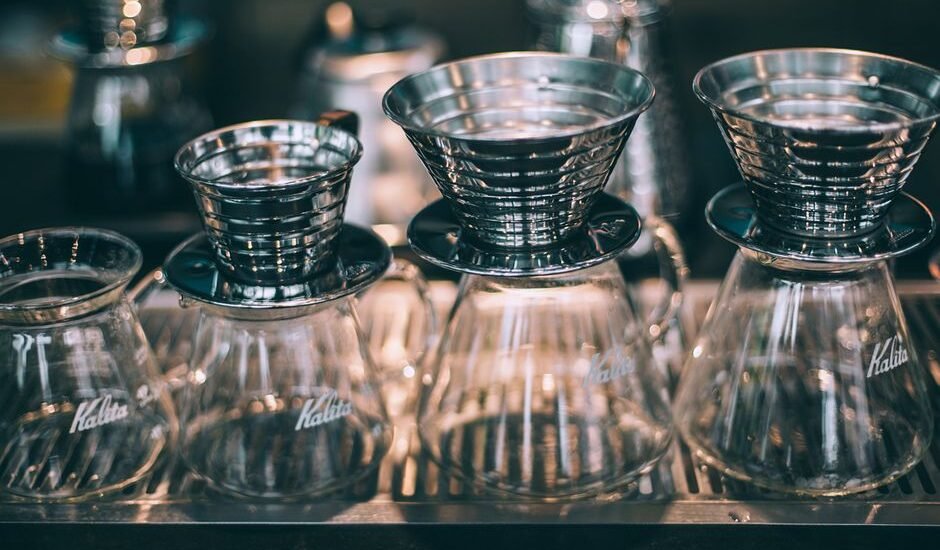
Shape is more than aesthetics. Purpose-built pour over drippers use spiral ribs or a textured interior to channel water evenly through the coffee grounds. They’re designed so water doesn’t just race down the sides and out the bottom. Many kitchen funnels are smooth inside, so water may bypass the grounds, leading to under-extraction.
Spout size is the real deal-breaker. A funnel with a 15 mm opening will drain water much faster than a dripper with an 8 mm hole. Faster drainage means less contact time between water and coffee, often resulting in a thin, underdeveloped brew. Some coffee fans try to compensate by grinding finer, but this can clog the filter or make the brew bitter.
Filter Fit and Compatibility Issues
Standard pour over drippers are built to fit specific filter shapes—cone, flat-bottom, or wedge. Most kitchen funnels will fit a #2 or #4 cone filter, but the fit is usually loose. This can cause the filter to collapse, especially if you pour too quickly or use a heavy water stream. Collapsed filters lead to grounds in your cup and uneven extraction.
Some DIY brewers use a paper towel or napkin as a filter in a funnel. This is possible, but the paper is often too dense, slowing down the flow and making the coffee taste papery. For best results, stick with proper coffee filters, even if using a funnel.
Real-World Taste Test: Funnel vs. Dripper
In side-by-side tests, brewing the same coffee with a kitchen funnel and a classic dripper yields noticeable differences. The funnel brew is usually lighter in body, with less sweetness and a shorter finish. The dripper, thanks to slower, more even extraction, produces a fuller cup with more pronounced flavors. If you’re brewing for taste, the dripper wins nearly every time. But a funnel can get you caffeine in a pinch, especially for travel or emergencies.
Workarounds: Making Funnels Brew Better Coffee
- Slow your pour: Pour water in small circles, pausing between pours. This keeps the water level lower and gives it more time to extract.
- Grind finer (but not too fine): Move one notch finer than your usual pour over grind, but avoid espresso-fine grinds that clog paper filters.
- Use a gooseneck kettle: Precise pouring helps avoid filter collapse and channels water evenly over the grounds.
- Double up filters: If the funnel opening is very wide, using two cone filters can slow down the flow rate.
- Pre-wet the filter: This helps it stick to the funnel walls and reduces papery taste.
These tweaks won’t fully replicate a specialty dripper, but they help you get more out of a basic funnel setup. If you want to upgrade, check out dedicated pour over drippers and
When a Funnel Makes Sense—and When to Avoid It
A funnel is a perfectly valid entry point for pour over coffee if you’re brewing occasionally, traveling, or just experimenting. It’s also a good way to see if you like the pour over method before investing in more gear. But if you want repeatable, flavorful results, or you’re brewing for more than one person, the limitations of a funnel become obvious fast.
For best results with a funnel, stick to medium-coarse grind, use fresh coffee, and aim for a brew time of at least 2.5–3 minutes for a single 300 ml cup. If your brew is running through in under 90 seconds, you’re likely under-extracting. This is a sign it’s time to upgrade your equipment. See today’s deals on pour over kits if you’re ready to make the leap.
Total cost of ownership
Making pour over coffee with a funnel has almost no upfront cost, but there are hidden and ongoing costs to consider if you want consistent, tasty results:
- Coffee filters: Standard cone filters run about $4–$8 for a pack of 100. Figure on $15–$30 per year for daily brewing, more if you double up filters to slow the flow.
- Gooseneck kettle: Not strictly required, but if you want to control pouring speed, a basic stovetop gooseneck kettle costs $20–$50. This is a one-time cost, but electric models can fail after a few years.
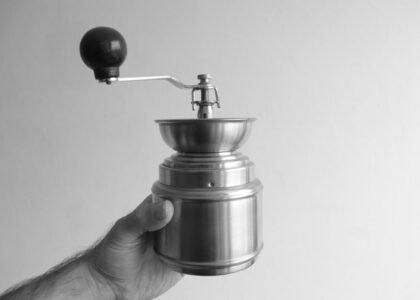
- Grinder maintenance: Manual or electric grinders need cleaning every 1–2 months, with burr replacement every 2–4 years ($15–$40 depending on type).
- Water costs: Using filtered or bottled water improves results. Home filter cartridges typically run $30–$50 per year.
- Waste disposal: Paper filters and spent grounds add to household waste. Compostable filters cost a bit more but reduce landfill impact.
While a funnel is cheap up front, the real cost of pour over brewing comes from filters, water, and the urge to upgrade your gear for better results. When you’re ready to invest, view what’s available in starter pour over kits or drippers that fit your budget and needs.
Frequently Asked Questions About Using Funnels for Pour Over Coffee
Does the funnel material (plastic vs. metal) affect coffee flavor?
Plastic funnels are neutral and don’t add flavor, but they can retain odors if not cleaned well. Metal funnels may impart a slight metallic taste, especially if they’re aluminum and not stainless steel. For best results, use food-safe, odor-free materials and rinse thoroughly before each use.
How long should a funnel pour over take?
A typical pour over brew should take between 2.5 and 4 minutes for a 300–400 ml cup. If your funnel setup drains in under 2 minutes, the opening is likely too wide, and the coffee may taste weak. Slowing your pour and using a finer grind can help extend brew time, but there are limits to what a funnel can achieve.
Can I use a funnel for pour over coffee every day, or will it wear out?
Most plastic or stainless steel kitchen funnels will last for years with daily use. However, frequent exposure to hot water can cause cheap plastic to warp or crack over time. If you notice any deformation or persistent odors, it’s time to replace your funnel.
What’s better for pour over: a funnel or a classic dripper?
For flavor and repeatability, a classic pour over dripper is better. It’s designed for coffee, with a shape and flow rate that maximize extraction. A funnel is serviceable in a pinch but lacks the fine-tuned control and consistency of a specialty dripper. If you care about getting the most out of your beans, upgrading is worth it.
Are there any safety concerns with using a funnel for hot coffee brewing?
Most kitchen funnels are made for liquids, but not all are rated for boiling water. Always check if your funnel is heat-resistant to at least 100°C (212°F). Thin plastic can warp or leach chemicals when exposed to boiling water. Stainless steel is safest for repeated hot use.
Will any coffee filter fit a standard kitchen funnel?
Most medium kitchen funnels fit #2 or #4 cone filters, but the fit may be loose. Flat-bottom filters usually don’t work well in funnels. If your filter collapses during brewing, try folding the edges over the funnel rim or using a slightly smaller filter for a snugger fit.
Can I return a pour over dripper if it doesn’t fit my filters or mug?
This depends on the retailer’s return policy. Many coffee gear sellers allow returns within 30 days if the gear is unused or gently used. Always check compatibility before buying, especially if you have unusually shaped mugs or carafes. Save your receipt and original packaging for hassle-free returns.
Further Reading and References
For more on coffee brewing methods and equipment design, see the Serious Eats coffee section, which regularly tests and reviews home brewing gear. Their guides offer practical advice and in-depth comparisons for home enthusiasts.
In summary: a funnel can make pour over coffee, but with compromises. It’s a great way to start or brew in a pinch, but if you want reliable, delicious results, a dedicated dripper is a worthwhile upgrade. Consider your needs, budget, and taste preferences before deciding. And when you’re ready for better coffee,on drippers designed for pour over brewing.
Last updated: June 2026 · Our research process