7 min read
Disclosure: As an Amazon Associate and eBay Partner Network publisher, we earn from qualifying purchases. This doesn’t affect what we recommend or how we describe it.
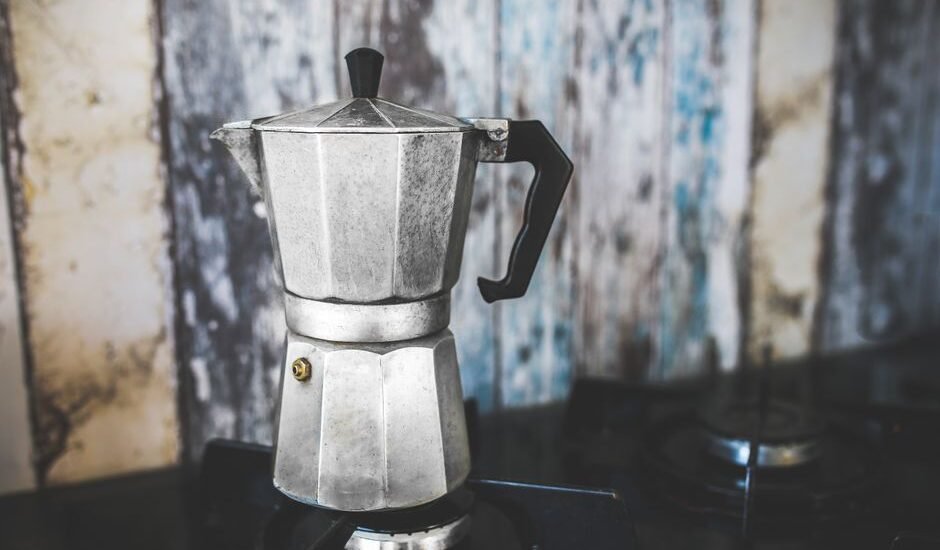
Most moka pots cost between $20 and $80, but a few minutes spent seasoning can make the difference between bitter, metallic first brews and the rich, smooth coffee these stovetop classics are known for. Seasoning a moka pot isn’t just for coffee snobs—it’s a quick, practical process that helps remove machine oils and metallic flavors from manufacturing, setting you up for much better coffee from your first real brew. Whether you’re new to stovetop espresso or replacing an old favorite, learning how to season a moka pot will save you disappointment and wasted beans.
What most guides skip about moka pot seasoning
Most instruction booklets gloss over seasoning, suggesting a rinse or a first brew “for cleaning.” But here’s what actually happens: new moka pots, especially aluminum models, often arrive with residual oils, machining dust, and a slightly reactive inner surface. This can impart a tinny or bitter taste to your first few coffees. Seasoning is about running a couple of sacrificial brews—not for drinking—so that the pot’s interior develops a thin, coffee-based patina and any residues are flushed away.
Aluminum and stainless steel moka pots behave differently here. Aluminum is more porous and reactive, so seasoning matters more. Stainless steel is less prone to off-flavors, but still benefits from an initial cleaning cycle. Skipping this step is the most common reason for that “off” flavor in early moka pot coffees.
Seasoning approaches compared: table of common methods
| Approach | Material Compatibility | Water Capacity (oz) | Brew Cycles Needed | Time per Cycle (min) |
|---|---|---|---|---|
| Standard Coffee Brew | Aluminum & Steel | 3–12 | 2 | 6–8 |
| Water-Only Boil | Aluminum & Steel | 3–12 | 1 | 5–7 |
| Vinegar Rinse | Steel Only | 3–12 | 1 | 10 |
| Dishwasher Cycle | Steel Only | — | 1 | 45–60 |
How to season a moka pot: step-by-step guide
- Disassemble and wash all parts
Take apart the moka pot—separate the top, base, filter basket, and gasket. Wash thoroughly with hot water and a mild detergent to remove dust and manufacturing oils. Rinse well and dry completely. - Assemble and fill with water and coffee
Reassemble the pot. Fill the base with fresh water up to the safety valve. Add ground coffee to the basket (medium-fine, not packed down), just as you would for brewing, but use inexpensive beans—this batch is for seasoning, not drinking. - Brew and discard the coffee
Place the pot on the stove over medium heat. Allow it to brew as normal until you hear the hissing sound that signals brewing is done. Pour out the brewed coffee; do not drink it. - Repeat the brew cycle
For aluminum pots, repeat the process once more with fresh water and coffee grounds. Stainless steel pots can often get by with just one cycle, but a second never hurts. - Rinse and dry all parts
Once finished, rinse each part with hot water (no soap). Dry thoroughly with a clean towel or air dry before reassembling.
After this, your moka pot is ready for real coffee. For those who want to compare different moka pot types before buying, Check current prices for a range of materials and sizes.
Aluminum vs. stainless steel: which needs seasoning more?
Aluminum moka pots are famously sensitive to first-use flavors. The slightly porous surface can hold onto manufacturing residues and react with water, especially if you have hard tap water. Seasoning with at least two full coffee cycles helps build up a natural coffee coating inside, making future brews taste smoother and less metallic.
Stainless steel models are less reactive and easier to keep clean, but still benefit from a single seasoning cycle to flush out machine oils and dust. If your priority is low-maintenance cleaning and less risk of off-flavors, stainless steel wins—but they typically cost more. For those on a budget or who prefer a classic look, aluminum is still a great choice if you take the time to season it properly.
Related Guides
- Electric Moka Pots That Are Actually Worth Buying
- Coffee Maker vs. Moka Pot: What’s the Real Difference?
- Espresso Machine vs Moka Pot: What’s the Real Difference?
- Our guide to Do You Need an Espresso Distribution Tool for Your Moka Pot?
- How to Season a New Coffee Grinder: A Step-By-Step Guide
- Browse all Gear Maintenance →
Red flags in listings to walk past
- No stated material type: If the listing doesn’t specify aluminum or stainless steel, skip it. Material affects flavor, cleaning, and longevity.
- “Dishwasher safe” claim for aluminum: Dishwashers strip the protective coffee coating from aluminum moka pots, leading to corrosion and off-tastes. Only stainless steel models are truly dishwasher safe.
- Missing or unclear capacity: Listings that don’t mention size (in ounces or “cups”) often ship tiny or oversized models. Always check for a clear capacity—standard moka pots range from 3 to 12 ounces.
- Photoshopped images only: Overly polished or obviously computer-generated images usually mean the seller hasn’t handled the product and can’t vouch for quality.
- No return policy or warranty mention: Quality moka pots come with at least a basic warranty. If you don’t see mention of returns or support, it’s a gamble.
Why seasoning matters for flavor and longevity
Seasoning isn’t just about taste. Coffee oils left behind after the first few cycles help “seal” the interior of your moka pot, especially if it’s aluminum. This protective layer makes the pot less reactive and less likely to impart unwanted flavors to future brews. It also helps prevent corrosion over time. Stainless steel pots build less of a patina, but still benefit from a first cleaning cycle to remove any residual oils or dust from manufacturing.
For a deeper dive into the science of coffee extraction and how different metals interact with your brew, explore current food science research on the subject.
FAQs: moka pot seasoning and first use
How many times should I season a new moka pot?
For aluminum moka pots, two full brew cycles with coffee (discarding the liquid each time) are recommended. Stainless steel pots usually need just one, but a second cycle can be beneficial if you notice strong off-flavors.
Is vinegar safe for cleaning or seasoning?
Vinegar can be used for deep cleaning stainless steel pots, but it is not recommended for aluminum. Acidic vinegar can damage the aluminum surface and lead to corrosion. Stick to water and coffee for aluminum models.
Aluminum vs. stainless steel moka pots — which holds up better over time?
Stainless steel moka pots are more durable, less prone to corrosion, and easier to clean. Aluminum pots require a bit more care and regular seasoning, but can last for years if well maintained. The flavor profile is slightly different; some enthusiasts prefer the “classic” taste from seasoned aluminum.
Can I use soap to clean my moka pot after seasoning?
It’s best to avoid soap after the initial wash, especially with aluminum. Soap can strip away the seasoned coffee oils that protect the pot and contribute to flavor. Use hot water and a soft brush for regular cleaning.
What if my coffee still tastes metallic after seasoning?
If you notice a metallic taste after two seasoning brews, try running one or two more cycles with coffee. Persistent metallic flavors may indicate poor-quality material or a manufacturing defect—consider returning or exchanging if the issue doesn’t resolve.
How long does the seasoning effect last?
The protective coffee coating from seasoning lasts as long as you avoid scrubbing it away with soap or abrasive pads. If you deep-clean or accidentally use the dishwasher, you may need to repeat the seasoning process to restore flavor and protection.
What should I look for in a moka pot warranty?
Look for a warranty that covers manufacturing defects for at least one year. Some sellers offer 30-day returns but no long-term support. Always check the warranty details before buying and Compare current options if you’re unsure.
Getting the most from your newly seasoned moka pot
After seasoning, you’re ready to brew real coffee. Use freshly ground beans at a medium-fine setting (around 400–600 microns if your grinder measures that), fill the water below the safety valve, and never tamp the grounds. This will help you achieve the rich, aromatic moka pot coffee you’re after. For those looking to upgrade or replace a pot, See today’s deals on current moka pot styles and materials.
For more tips on brewing technique, cleaning, and maximizing the lifespan of your moka pot, check out resources from industry veterans and hands-on reviewers.


Last updated: June 2026 · How we cover this topic