Disclosure: As an Amazon Associate and eBay Partner Network publisher, we earn from qualifying purchases. This doesn’t affect what we recommend or how we describe it.
7 min read
Hunting for an honest review of the best espresso machines for home use usually means you’re ready to invest in better coffee—whether you’re upgrading from your first pod machine or finally ditching the daily café run. With dozens of machines promising barista-worthy results, it’s tough to know what features actually matter, how much you need to spend, and which models will deliver consistent, rich espresso in a home kitchen. This guide clears the clutter with practical, hands-on advice and real-world comparisons, so you can choose an espresso machine that fits your budget, your counter space, and your morning routine. For more detail, see National Coffee Association home brewing resources.
Side-by-Side Comparison: Home Espresso Machines Worth Your Attention
| Machine | Type | Pressure (bars) | Boiler/Heating | Water Reservoir | Temp Control | Grinder Included? | Footprint (inches) |
|---|---|---|---|---|---|---|---|
| Compact Semi-Auto | Semi-Automatic | 9 | Single Thermoblock | 34 oz (1 L) | ±2°F PID | No | 8 x 10 x 12 |
| Entry-Level All-in-One | Semi-Auto w/ Grinder | 15 | Single Boiler | 67 oz (2 L) | Basic Thermostat | Yes (40mm conical burr) | 13 x 12 x 14 |
| Manual Lever Classic | Manual Lever | Varies (User-Controlled) | Brass Boiler | 20 oz (0.6 L) | Manual | No | 7 x 11 x 16 |
| Pro-Style Dual Boiler | Semi-Auto | 9 | Dual Boiler | 84 oz (2.5 L) | ±1°F PID | No | 12 x 16 x 15 |
If you want the newest model, free returns, and quick shipping, Amazon is the easiest place to compare.
See on Amazon →What Makes a Home Espresso Machine Stand Out?
Not all espresso machines are created equal, and the price tag doesn’t always tell the full story. The best home espresso machines balance ease of use, repeatable results, and enough control to grow your skills. Here’s what actually matters when you’re shopping: For more detail, see Consumer Reports coffee maker reviews.
- Consistent Pressure: Authentic espresso is brewed at 9 bars of pressure. Machines advertising 15 or even 20 bars don’t always deliver that steady 9-bar extraction—look for models that specify stabilized, pump-driven 9-bar operation.
- Temperature Control: PID controllers (±1–2°F accuracy) are a game changer for shot quality and consistency. Basic thermostats can swing by 8–10°F, making dialing in tricky.
- Boiler Type: Single boilers can’t steam and brew at the same time. Dual boilers (or a heat exchanger) let you pull espresso and steam milk back-to-back, but take up more space and cost more.
- Grinder Quality: Built-in grinders are convenient, but rarely match the grind consistency of a decent standalone burr grinder. If you want real control, compare burr size (38–54mm is standard for home use) and settings range (at least 20 steps).
- Water Reservoir Size: A small tank (under 1 liter) means more refilling, especially if you steam milk often. Two-liter tanks are a sweet spot for most home brewers.
Which Type of Espresso Machine Fits Your Home Setup?
The right machine depends on how hands-on you want to be, how much space you have, and how much you care about milk drinks. Here’s how the main categories stack up in real kitchens:
- Semi-Automatic: You grind, tamp, and start/stop the shot. These are the most popular for home use—enough control to experiment, but not overwhelming. Typical price range: $300–$1,200.
- Superautomatic: Push a button, get espresso. Built-in grinders, automatic dosing, and milk frothing. Easy, but often less consistent, and cleaning can be a hassle. Expect to pay $600–$2,000.
- Manual Lever: You control water flow and pressure by hand. There’s a learning curve, but nothing beats the ritual or the satisfaction when you nail it. Usually $400–$1,200, and best for straight espresso.
- Pod/Capsule: Fast and convenient, but limited to proprietary pods and never quite true espresso. Not covered in depth here, as they don’t satisfy most espresso fans.
Ready to narrow it down? Compare current options and see which machine fits your style and budget.
How a 9-Bar Espresso Machine Changes Your Shots
Many home machines advertise “up to 15 or 20 bars” of pressure, but real espresso extraction needs a steady 9 bars—too much, and your shots turn out thin and bitter; too little, and they’re sour and weak. Machines with a true 9-bar pump (and a group head that actually delivers it) produce richer crema, better body, and more balanced flavor. If you want café-style shots at home, prioritize this feature over flashy extras.
Why Temperature Stability Is the Secret Ingredient
Espresso is sensitive to even small temperature swings. PID controllers (common in machines above $500) keep brew water within 1–2°F of your target, so you can pull repeatable shots every time. Machines with only a basic thermostat might fluctuate by 8–10°F, so some shots taste spot-on, while others are flat or harsh. For milk drinks, temperature control matters for steaming too—dual boilers or a quality heat exchanger let you steam and brew at their ideal temps without waiting or fussing.
Related Guides
- What’s the Ideal Pressure Setting for Espresso Machines?
- How to Adjust Espresso Machine Pressure: A Step-by-Step Guide
- Home Barista Accessories That Are Actually Worth It
- AeroPress vs French Press: Which Makes Better Espresso-Style Coffee?
- Espresso Machine Water Filters That Are Actually Worth Using
- Browse all Buying Guides →
Grinders: Built-In Convenience vs. Standalone Precision
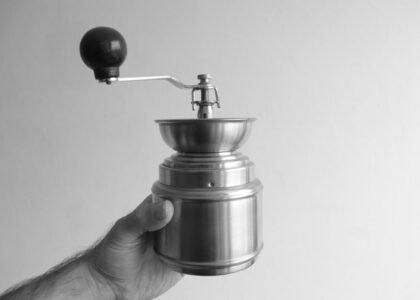
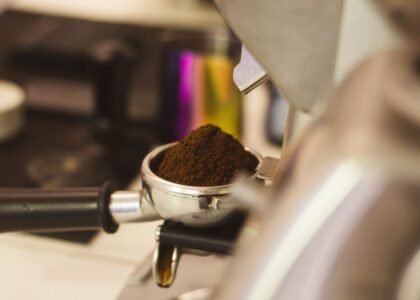
Some home machines include built-in grinders, but these are often an afterthought. Burr size matters: a 40mm conical burr is standard in entry-level all-in-ones, but standalone grinders often use 50mm or larger burrs for more consistent, fluffy grounds. If you’re serious about dialing in your shots, a separate grinder is almost always worth the counter space. But if you’re short on room or just want a tidy setup, an integrated grinder can be a good compromise—just don’t expect café-level grind quality. View what’s available to see the latest grinder-equipped models.
Milk Frothing: Steam Wand Power and Control
Love cappuccinos or lattes? Pay attention to the steam wand. Entry-level machines often have “panarello” wands—easy for beginners, but less control. A proper manual steam wand lets you texture microfoam for latte art. Steam power is measured in bars (1.2–1.5 bar is typical for home machines); dual boiler machines can steam faster and more consistently than single boiler setups. If you mostly drink straight espresso, don’t overpay for milk features you won’t use.
Curious which machine delivers the best milk performance for home? See today’s deals on current top-rated options.
Build Quality and Maintenance: What Actually Lasts?
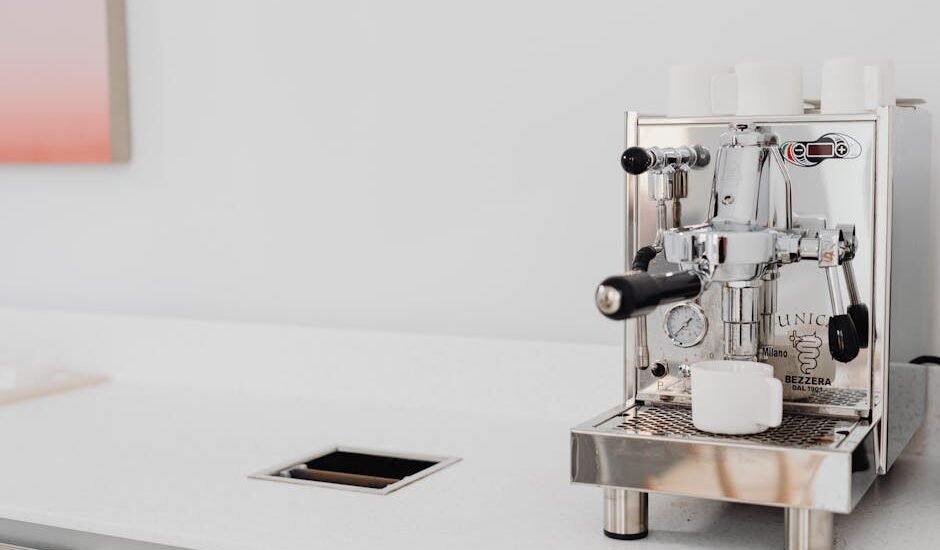
Plastic-heavy models are lighter and cheaper, but prone to leaks and wear over time. Stainless steel construction, brass boilers, and commercial-style group heads (58mm is the standard) hold up far better. Removable water tanks and drip trays make cleaning easier. Plan on a weekly backflush for most semi-automatics and a full descale every few months (especially if you have hard water). Machines with easy-access parts and clear maintenance instructions will save you hours—and headaches—down the line.
If you want the newest model, free returns, and quick shipping, Amazon is the easiest place to compare.
Compare Options on Amazon →FAQs: What Home Espresso Drinkers Really Want to Know
How much should I spend for a reliable home espresso machine?
Expect to spend at least $300–$500 for a durable machine that can pull real espresso. Sub-$200 machines often lack stable pressure or temp control and won’t last. If you want steam power for milk drinks, budget $700–$1,200 for dual boiler or heat exchanger models.
Does a bigger water reservoir make a difference?
Yes—if you pull multiple shots daily or steam milk, a tank under 1 liter will need frequent refilling. Look for 2-liter reservoirs for fewer interruptions, especially in households with more than one coffee drinker.
Can home machines make true café-quality espresso?
Home machines can get very close, especially with 9-bar pressure, PID temperature control, and a good grinder. You’ll notice a difference compared to commercial gear, but dialing in your grind and dose matters more than the machine’s price once you’re above the $500 mark.
Is a built-in grinder worth it?
Built-in grinders are convenient, but rarely match the grind consistency and adjustability of a standalone burr grinder. If you want to experiment with different coffees and fine-tune your shots, invest in a separate grinder with at least 40mm burrs and 20+ grind settings.
How important is boiler type for home use?
If you mostly drink straight espresso, a single boiler or thermoblock is sufficient. For frequent milk drinks, a dual boiler or heat exchanger saves time and makes texturing milk easier. Single boilers require “temperature surfing” between brewing and steaming, which gets old fast if you make cappuccinos daily.
What’s the difference between a 54mm and 58mm portafilter?
58mm is the commercial standard and offers more even extraction, easier tamping, and more aftermarket accessories. Smaller portafilters (e.g., 54mm or 51mm) are common in compact machines but can be harder to dial in for consistent results.
Final Thoughts: Choosing Your Home Espresso Machine
The best espresso machine for home use is the one you’ll actually use every day. Focus on stable 9-bar pressure, PID temperature control, and a solid build—don’t get distracted by unnecessary features or sky-high pressure claims. Figure out your budget, your counter space, and whether you want to steam milk or just pull shots. Then Check current prices to find the right fit for your home coffee ritual.