8 min read
Disclosure: As an Amazon Associate and eBay Partner Network publisher, we earn from qualifying purchases. This doesn’t affect what we recommend or how we describe it.
Dialing in espresso pressure can feel mysterious, but it’s one of the most practical steps you can take to improve your home espresso. Whether your shots taste sour, bitter, or just flat, the pressure your machine uses to extract coffee is a major factor. Adjusting it properly isn’t just for tinkerers—anyone who wants more consistent, balanced espresso should understand how and when to tweak their machine’s pressure.
What Does Espresso Machine Pressure Actually Do?
Espresso is defined by brewing under pressure. Most home machines aim for about 9 bars (130 psi), a standard set decades ago as the sweet spot for balancing flavor, body, and extraction time. But not all machines hit this mark, and some are set far higher—often for marketing, not flavor. Too much pressure can cause over-extraction, bitterness, and thin crema. Too little, and your espresso may come out weak or sour.
Pressure is measured in bars: 1 bar equals atmospheric pressure at sea level. For context, most home machines advertise 15 or even 20 bars, but what matters is the pressure at the coffee puck during extraction—ideally a steady 9 bars. Some machines overshoot, and some lose pressure due to internal design. Understanding what your machine actually delivers is key before making any adjustments.
How to Check Your Espresso Machine’s Pressure
Before grabbing a screwdriver, you need to know your baseline. There are two main methods:
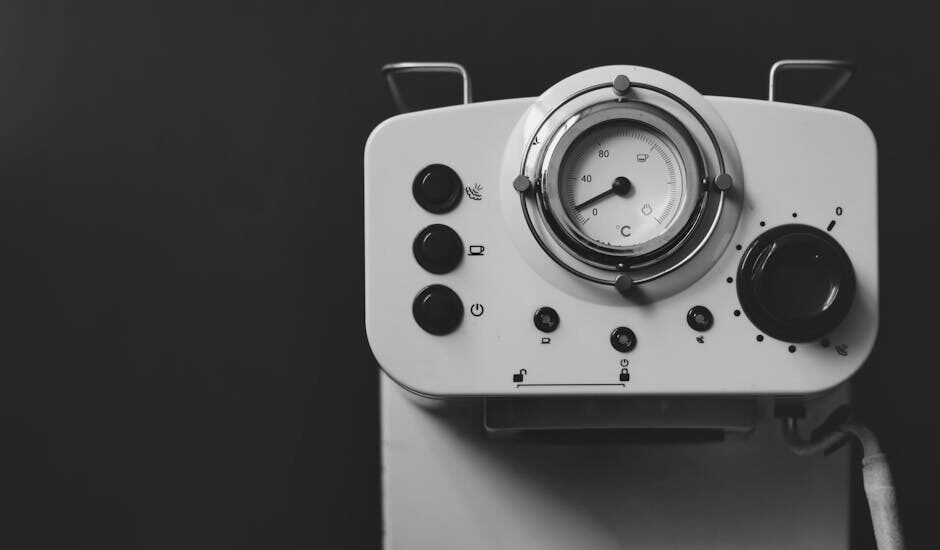
- Built-in gauge: Some machines feature a pressure gauge on the front. This shows the pressure during extraction. Note that some cheaper machines have a “pump pressure” gauge that reads higher than the real pressure at the puck.
- Test with a portafilter gauge: For machines without a built-in gauge, you can buy a portafilter pressure gauge. This tool replaces your normal basket with a sealed gauge so you can measure the actual brew pressure. These typically cost less than a bag of specialty beans and provide the most accurate reading.
Record your machine’s pressure during a shot with your usual dose and grind. If you see less than 8 bars or more than 10 bars, it’s time to consider an adjustment.
Comparison Table: Home Espresso Pressure Adjustment Methods
| Adjustment Method | Pressure Range (bars) | Ease of Access | Tools Required | Machine Compatibility | Price |
|---|---|---|---|---|---|
| OPV (Over Pressure Valve) Adjustment | 6–12 (user-set) | Intermediate | Screwdriver, portafilter gauge | Semi-automatic with OPV | $$ |
| Vibration Pump Shim | 8–15 (limited by shim size) | Advanced | Shims, screwdriver, gauge | Machines with vibration pump | $ |
| Rotary Pump Pressure Regulator | 6–12 (precise) | Easy–Intermediate | Wrench, gauge | Machines with rotary pump | $$$ |
| Electronic Pressure Profiling | 0–12 (programmable) | Very easy (menu-controlled) | None (onboard controls) | High-end prosumer/automatic | $$$ |
Price tiers ($/$$/$$$) read across this comparison only — they mark each product’s relative position from cheapest to priciest in the set. Actual prices live below.
How a 9-Bar Espresso Machine Changes Your Shots
Most home espresso machines are factory-set well above 9 bars—sometimes up to 15 bars—to compensate for cheap baskets, coarse grinds, or marketing claims. But the best extractions almost always happen at 8–9 bars. At this pressure, you get a balanced shot: enough force to extract sweetness and crema, but not so much that you pull out bitterness or overwhelm the puck. Lowering a machine’s pressure from, say, 12 bars to 9 can tame harsh flavors and make dialing in your grind much easier.
Some enthusiasts experiment with even lower pressures (6–8 bars) for lighter roasts or longer pre-infusions, but for most home brewers, 9 bars is the gold standard. If you’re struggling with sour shots or thin crema, check your pressure—it may be running too low. If you taste bitterness or see your shots blasting out in 15 seconds, it may be too high.
Step-By-Step: Adjusting the Over Pressure Valve (OPV)
The OPV is the most common adjustment point on semi-automatic machines. Here’s how you can safely adjust it on a compatible machine:
- Unplug and cool down your machine. Safety first—never work on a hot or pressurized espresso machine.
- Locate the OPV. This is usually a brass or plastic valve near the pump or boiler. Check your manual or search for a schematic for your model.
- Attach a portafilter pressure gauge. Replace your basket with the gauge to measure real extraction pressure.
- Turn on the machine and pull a “blank” shot. Observe the pressure reading. If it’s not at your target (typically 9 bars), proceed.
- Adjust the OPV screw. Turning clockwise usually increases pressure; counter-clockwise decreases it. Go in small increments (about 1/8 turn), then re-test.
- Repeat until you hit your desired pressure. Aim for a consistent 9 bars during extraction for classic espresso.
- Reassemble and test with coffee. Brew a shot and taste the results. You may need to tweak your grind or dose after adjusting pressure.
Many home machines require removing a top or side panel to access the OPV. Keep screws organized and take photos as you go to simplify reassembly.
Related Guides
- What’s the Ideal Pressure Setting for Espresso Machines?
- Espresso Machine Water Filters That Are Actually Worth Using
- AeroPress vs French Press: Which Makes Better Espresso-Style Coffee?
- The Best Espresso Machines for Home Use, Reviewed
- Burr vs Blade Grinders for Espresso: What’s the Real Difference?
- Browse all Gear Maintenance →
- How to Dial In Grind Size for Espresso: A Step-by-Step Guide
When Should You Adjust Espresso Pressure?
Not every home barista needs to tweak their machine’s pressure. Here are some signs it’s worth the effort:
- Your shots finish in less than 20 seconds, even with a fine grind and proper tamp.
- Espresso tastes bitter or astringent, with a thin, pale crema.
- Built-in or portafilter gauge shows 11+ bars during extraction.
- You want to experiment with lighter roasts or different extraction profiles.
Conversely, if your shots are balanced and you’re happy with the taste, there’s no need to fix what isn’t broken. Pressure adjustment is a tool, not a requirement.
Pressure Adjustment for Different Espresso Machines
Not all espresso machines are created equal. Here’s how your options break down:
- Semi-automatic machines: Most common for home use. Many have adjustable OPVs, but some budget models have fixed valves.
- Manual lever machines: Pressure is controlled by your arm strength and technique. These require a different skill set and don’t use OPVs.
- Super-automatic machines: Pressure is usually not user-adjustable. Some high-end models offer electronic profiling, but most are factory-set and sealed.
- Rotary pump machines: These premium machines feature an external adjustment screw or knob for precise pressure tuning. They’re typically found on high-end home and prosumer setups.
Before you buy a machine, check if it allows pressure adjustment or at least has a serviceable OPV. Compare current options to see which models fit your needs and budget.
Do You Need Fancy Tools to Adjust Espresso Pressure?
You don’t need a workshop full of gadgets, but a few inexpensive tools make the job far easier:
- Portafilter pressure gauge: Essential for accurate readings. These fit in any standard 58 mm or 54 mm portafilter.
- Screwdriver set: Most OPVs are adjusted with a Philips or flathead screwdriver.
- Wrench or hex key: For rotary pump machines or some vibration pump shims.
Some specialty coffee shops and online retailers sell pressure gauge kits designed for home users. See today’s deals to find affordable options.
Common Pitfalls When Adjusting Espresso Machine Pressure
Pressure adjustment is straightforward, but there are some mistakes to avoid:
- Skipping the gauge: Guessing based on taste alone is unreliable. Always verify with a pressure gauge.
- Over-tightening the OPV: Too much force can damage the valve or cause leaks.
- Neglecting grind and dose: Pressure is only one variable. After adjusting, you’ll likely need to re-dial your grind and shot parameters.
- Assuming higher pressure is better: More bars does not mean better espresso. Most home machines perform best at 8–9 bars.
Take your time. Small, measured adjustments beat big swings every time.
FAQs About Adjusting Espresso Machine Pressure
How do I know if my espresso machine pressure is too high?
Signs include shots finishing too quickly (under 20 seconds), bitter or astringent taste, and a pale, foamy crema. A pressure reading above 10 bars during extraction is a clear indicator. Use a portafilter gauge for the most accurate measurement.
Can I adjust pressure on a budget espresso machine?
Many entry-level machines have fixed OPVs or no OPV at all, meaning the pressure isn’t user-adjustable. Some DIY enthusiasts add shims or swap valves, but this can void your warranty. Check your machine’s manual or consult a reputable technician before attempting any modifications.
What happens if espresso machine pressure is too low?
Low pressure (below 8 bars) usually results in weak, watery espresso with little crema and sour flavors. Extraction is incomplete, and you may notice the puck looks muddy or under-extracted. If your gauge reads low, inspect for pump issues or leaks before adjusting the OPV.
Is it safe to adjust espresso machine pressure myself?
Adjusting the OPV is safe if you unplug the machine, let it cool, and follow basic precautions. Never work on a hot boiler. If you’re unsure, consult your machine’s service manual or hire a qualified technician.
Does changing pressure affect other brew parameters?
Yes. After adjusting pressure, you’ll likely need to tweak your grind size, dose, and possibly shot time. Lowering pressure often requires a finer grind or longer shot time to maintain good extraction.
Do all espresso machines let you adjust pressure?
No. Many super-automatic and budget machines have sealed or non-adjustable systems. Most semi-automatic and prosumer models allow some level of adjustment, either through the OPV or an external regulator. Always check your manual or specs before buying if pressure control matters to you. View what’s available to compare models with adjustable pressure.
Final Thoughts: Is Pressure Adjustment Worth It?
For most home espresso enthusiasts, learning how to adjust machine pressure is a smart upgrade. It’s the difference between fighting your machine and working with it. If you’re chasing balanced, consistent espresso and your machine lets you tweak the pressure, it’s well worth the effort. Gather your tools, measure twice, and make small changes—you’ll taste the improvement in every cup.
Last updated: May 2026 · Our research process