Disclosure: As an Amazon Associate and eBay Partner Network publisher, we earn from qualifying purchases. This doesn’t affect what we recommend or how we describe it.
8 min read
Wondering whether you can make espresso-style coffee at home with an Aero-style brewer or a French press? You’re not alone. Many home brewers want that rich, concentrated shot without shelling out for a high-pressure espresso machine. But here’s the catch: neither the plunger-style French press nor the single-cup Aero-style device truly delivers café espresso. Still, both can get you surprisingly close to strong, flavorful coffee—if you know what each tool does best. For more detail, see Specialty Coffee Association brewing standards.
Espresso at Home: How Aero-Style and French Press Stack Up
| Brewer/Method | Typical Pressure (bars) | Recommended Grind Size | Water Capacity (oz/ml) | Brewing Time (min) | Final Brew Strength (TDS %) |
|---|---|---|---|---|---|
| Aero-style, Standard Method | 0.3–0.7 | Fine (approx. table salt) | 8 oz / 237 ml | 1–2 | 1.4–1.8% |
| Aero-style, “Espresso Hack” | ~0.7 (max human force) | Extra fine (between moka & espresso) | 2–3 oz / 60–90 ml | 1 | 2.0–2.5% |
| French Press, Standard | 0 (no added pressure) | Coarse (breadcrumbs) | 12–34 oz / 350–1000 ml | 4–5 | 1.2–1.5% |
| Espresso Machine (for reference) | 9 | Espresso (fine, powdery) | 1–2 oz / 30–60 ml | 0.5 | 8–12% |
Shopping new with fast Prime shipping? Amazon usually has the best stock.
Shop on Amazon →What Defines Espresso—And Why It Matters Here
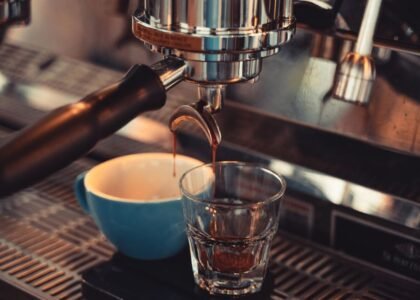
Espresso isn’t just strong coffee. It’s brewed under at least 9 bars of pressure, using a fine grind and a short extraction time (usually 25–35 seconds). That high pressure is what gives true espresso its dense crema, syrupy body, and concentrated flavor. Neither the French press nor the single-cup plunger brewer can reach anywhere near 9 bars—the best you’ll manage with sheer hand strength is about 0.7 bar, and that’s pushing it. For more detail, see Consumer Reports coffee maker buying guide.
Does that mean you can’t get anything like espresso with these brewers? Not exactly. You can get a bold, small cup that works in milk drinks or as a concentrated sipper. But if you’re chasing thick crema and the punchy, layered flavor of a café espresso, you’ll need to lower your expectations—or invest in a dedicated machine. For many home brewers, though, the “almost espresso” from these devices is plenty satisfying.
How the Aero-Style Brewer Tries to Mimic Espresso
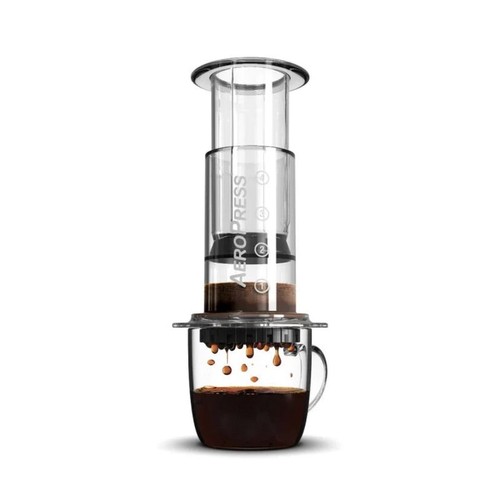
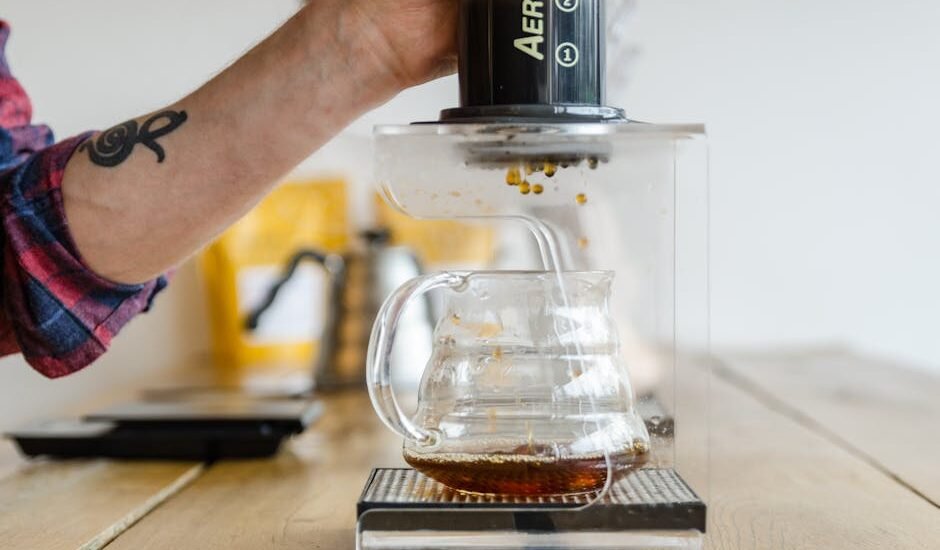
The single-cup plunger brewer uses a combination of immersion and gentle pressure. You add hot water to ground coffee, let it steep for 30–60 seconds, then press the plunger through a paper or metal filter. The pressure is created by your hand—so it’s a far cry from the mechanical pump in an espresso machine. Still, you can tweak your technique for a more espresso-like result:
- Use less water: Try 18–20 grams coffee to 60–70 ml water for a concentrated shot.
- Grind finer: Not espresso-fine, but finer than for drip—think table salt, maybe a touch finer if your brewer doesn’t clog.
- Press hard and slow: Apply steady, firm pressure for 20–30 seconds. You won’t get crema, but you’ll extract more oils and body.
- Water temperature: Use water at 195–205°F (90–96°C). Too cool and extraction suffers; too hot and you risk bitterness.
This method won’t fool a barista, but you’ll get a rich, intense cup that stands up well in a homemade latte or iced coffee. If you want to see today’s deals on single-cup plunger brewers, check out current options from top-rated sellers.
French Press “Espresso”: What’s Actually Happening?
The French press uses full immersion brewing without any additional pressure. Coffee grounds steep in hot water for 4–5 minutes, then you push a metal mesh plunger down to separate grounds from liquid. Here’s why it’s tricky to get espresso-style coffee this way:
- No pressure: The plunger doesn’t build pressure—its job is just to filter.
- Grind size: French press needs a coarse grind (think breadcrumbs) or you’ll get sludge and a stuck plunger.
- Volume: Most presses make at least 12 oz (350 ml) at a time, so it’s hard to brew a true single shot.
- Body and oils: The metal filter lets more oils through, giving a heavier mouthfeel but not the syrupy texture of espresso.
You can make a stronger French press by increasing your coffee-to-water ratio—try 1:8 or even 1:6 (e.g., 30 g coffee to 180 ml water). The result is bold, but it’s still missing that espresso “snap.” If you want to compare current options for high-quality presses, see what’s available from reputable online shops.
Who Should Use Each Brewer for Espresso-Style Coffee?
Your choice comes down to priorities. Do you want something that gets closer to espresso in strength and concentration, or do you prefer a fuller-bodied, less intense cup? Here’s how these brewers break down for the home espresso chaser:
- Single-cup plunger: Best for small, concentrated cups; portable; easy to clean; works for Americanos and “fake” lattes.
- French press: Best for making multiple servings at once; produces a heavier, oilier brew; less suited for espresso-style drinks, better for strong coffee lovers.
If you’re looking for a brewer that travels easily and can pull double duty for both espresso-style and regular coffee, the single-cup plunger is the more versatile pick. For large batches or those who love classic, rich immersion coffee, the French press is still king.
Related Guides
- What’s the Ideal Pressure Setting for Espresso Machines?
- How to Adjust Espresso Machine Pressure: A Step-by-Step Guide
- The Best Espresso Machines for Home Use, Reviewed
- Espresso Machine Water Filters That Are Actually Worth Using
- Burr vs Blade Grinders for Espresso: What’s the Real Difference?
- Browse all Equipment Comparisons →
How to Dial in Your “Espresso” Recipe at Home
Getting the most out of either brewer means adjusting your recipe. Here are some practical, test-driven guidelines:
- Grind size: For the single-cup plunger, start with a grind just finer than drip (approx. 500–700 microns). For French press, stick to coarse (900–1200 microns).
- Ratio: For espresso-style, use 1:3 to 1:4 coffee-to-water by weight. For French press, 1:12 is typical, but for a stronger cup, try 1:8.
- Water temp: Both methods benefit from 195–205°F (90–96°C) water. An electric kettle with variable temp is a game-changer—check current prices on accurate kettles here.
- Plunge technique: With the single-cup plunger, press firmly but evenly. With the French press, plunge slowly to avoid stirring up grounds.
Don’t expect perfect results on your first try. Take notes, taste as you go, and tweak variables one at a time. That’s the surest path to a cup you’ll love.
What About Crema? The Truth About Homemade Espresso Foam
Crema—the golden, bubbly foam on café espresso—comes from brewing under high pressure (9 bars or more). Neither brewer here can replicate that. The single-cup plunger might produce a thin, fleeting layer of bubbles if you use fresh, high-quality beans and press quickly, but it’s not true crema. French press won’t make crema at all.
If you crave the look of crema, you can “cheat” by frothing a spoonful of your coffee and spooning it on top, but it’s purely cosmetic. Focus on flavor and strength instead of chasing café aesthetics.
Cleaning and Maintenance: Real-World Effort Required
Both brewers are easier to clean than an espresso machine, but there are differences:
- Single-cup plunger: Pop out the puck, rinse, and you’re done. Paper filters mean less oil and sediment in your cup.
- French press: Grounds are messier to remove, and the mesh filter needs regular deep cleaning to avoid stale flavors.
If low-maintenance brewing matters to you, the single-cup plunger is the clear winner. For larger batches, the French press cleanup is a fair trade-off for the quantity it produces.
Shopping new with fast Prime shipping? Amazon usually has the best stock.
Compare Options on Amazon →FAQs: Aero-Style vs French Press for Espresso
Can either method make real espresso?
No. True espresso requires at least 9 bars of pressure, which only a dedicated machine can provide. Both the single-cup plunger and French press make strong coffee, but not café-style espresso.
What grind size should I use for each brewer?
For the single-cup plunger, use a grind just finer than drip—aim for about 500–700 microns. For French press, go coarse—900–1200 microns—to avoid clogging the filter and getting sludge.
Can I use these methods for milk drinks like lattes or cappuccinos?
Yes, but the flavor will be milder and less punchy than true espresso. Use a higher coffee-to-water ratio and less water for a stronger base. Froth your milk separately with a handheld frother or steam wand attachment.
How much coffee should I use for an “espresso shot” with these brewers?
Try 18–20 grams of coffee to 60–70 ml of water for the single-cup plunger. For French press, making a true “shot” is tricky—using a 1:6 or 1:8 ratio will get you a strong, concentrated cup, but the volume will be higher than a standard espresso shot.
Is there a way to get more crema with these brewers?
Not really. Crema is a product of both pressure and fresh coffee oils. You might see a few bubbles with the single-cup plunger and very fresh beans, but it won’t match the thick crema from an espresso machine.
Which brewer is easier to clean?
The single-cup plunger is quicker and less messy, especially with paper filters. The French press requires more effort to clean out grounds and keep the mesh filter free of buildup.
Bottom Line: Which Should You Choose for Espresso-Style Coffee?
If you want the closest thing to espresso without the investment or hassle of a machine, the single-cup plunger is your best bet. It’s simple, portable, and can make a convincing “shot” for homemade lattes and iced drinks. The French press is better for those who prefer rich, full-bodied coffee in larger quantities, but it’s not ideal for espresso-style drinks.
Neither brewer will replace a café espresso machine, but both offer a practical, affordable way to enjoy strong coffee at home. To view what’s available for your next upgrade, check out the latest home brewing gear and find the right fit for your routine.