7 min read
Disclosure: As an Amazon Associate and eBay Partner Network publisher, we earn from qualifying purchases. This doesn’t affect what we recommend or how we describe it.
Finding a grinder that gives you both the precision of single dosing and the convenience of a hopper can feel like chasing a unicorn. You want to dial in fresh shots or pour-overs with minimal waste, but you also need the flexibility to prep several cups for friends or family—or just streamline your morning routine. Here’s how to navigate the choices, trade-offs, and real-life performance of single dose grinders with hoppers, so you can make a smart pick for your home coffee setup.
Comparing Single Dose Grinder Setups with Hopper Options
| Configuration | Burr Size (mm) | Hopper Capacity (g) | Retention (g) | Workflow | Price |
|---|---|---|---|---|---|
| Dedicated Single Dose (No Hopper) | 64–83 | 10–30 | ~0.2 | Manual dosing, zero retention | $$$ |
| Hybrid Single Dose + Hopper | 48–64 | 100–300 | ~0.5 | Switch between modes | $$ |
| Standard Hopper Grinder (Single Dose Mod) | 40–55 | 250–500 | 1–2 | Bulk or single dose with bellows | $ |
| Manual Grinder with Mini Hopper | 38–48 | 25–40 | ~0.1 | Hand grind, portable | $ |
Note on pricing: the $ symbols are relative tiers within this comparison — $ is the cheapest of the bunch, $$$ the priciest. Live listings (and exact prices) appear further on.
What “Single Dose with Hopper” Actually Means
Most grinders force you to choose: either a big hopper for convenience or a single dose workflow for precision and freshness. A true “single dose grinder with hopper” gives you the ability to grind just what you need, when you need it—without having to dismantle your machine or deal with stale beans. That usually means a grinder that either:
- Has a removable or swappable hopper, allowing you to dose individual servings or load up for bulk grinding.
- Features a very short retention path (under 0.5 grams), so you can single dose even with beans in the hopper.
- Allows you to mod a standard hopper grinder with accessories like bellows or single dose adapters.
You won’t find a perfect all-in-one solution, but several setups get close. The right choice depends on your brewing habits, counter space, and tolerance for a bit of DIY.
Why Retention Matters in Single Dose Grinding
Retention is the enemy of both consistency and freshness. In a typical hopper grinder, 1–2 grams of ground coffee can get trapped in the chute and around the burrs—enough to throw off your dose and muddy the flavor of your next cup. Single dose grinders aim for retention under 0.5 grams, often as low as 0.1–0.2 grams. If you want to swap beans, dial in for espresso, or just hate waste, prioritize a grinder with minimal retention—especially when using a hopper. Look for clear retention specs from the manufacturer or independent testers, not just marketing claims.
Hybrid Setups: The Best of Both Worlds?
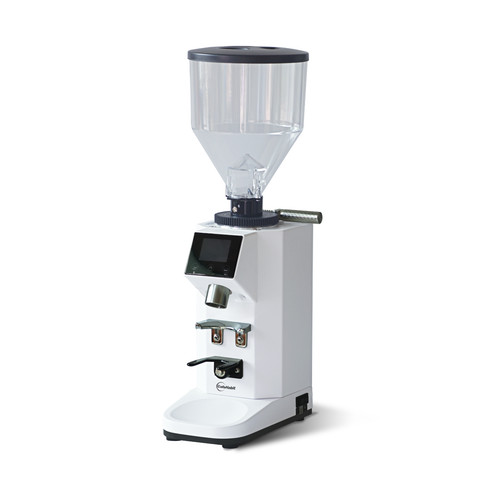
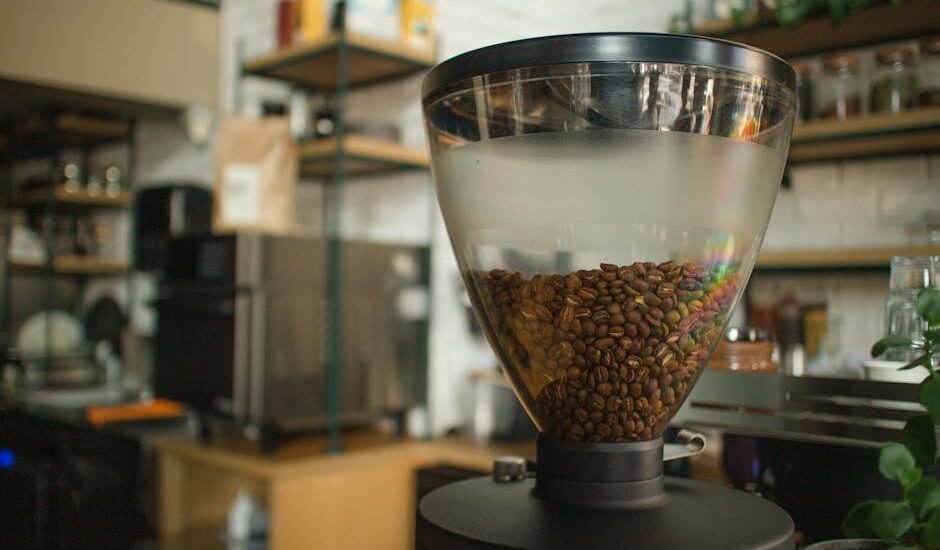
Some mid- and high-end grinders now offer hybrid modes: a small hopper (100–300g) that’s easy to remove or replace with a single dose funnel. These grinders often include bellows to blow out stray grounds, and anti-popcorning features to keep beans feeding smoothly even when dosing just 18–22g at a time. Burr sizes in this category range from 48mm to 64mm, which means you get solid grind consistency for both espresso and filter coffee. If you want to experiment with different beans but also need to brew multiple cups back-to-back, this is the setup to target. Compare current options to see what’s in stock and how prices stack up this season.
Adapting a Standard Hopper Grinder for Single Dose Use
Most classic home grinders come with a big hopper (250–500g) and are built for convenience, not precision. But with a few tweaks, you can turn one into a decent single dose machine:
- Add a single dose hopper adapter—these often hold 20–40g and fit in place of the standard hopper.
- Use a bellows (a collapsible air pump) to clear out grounds after each dose. This can drop retention from 2g to under 0.5g on some grinders.
- Install a declumper mod if grounds clump or static is a problem.
This approach won’t match the zero-retention performance of a true single dose grinder, but it’s a budget-friendly way to upgrade your workflow. See today’s deals on upgrade kits and compatible grinders.
Related Guides
Manual Grinders: The Lowest Retention Option
If you value absolute freshness and don’t mind a little elbow grease, a manual grinder with a mini hopper (25–40g) is unbeatable for single dosing. Retention is typically under 0.1g, and you can swap beans between cups without fuss. Burr sizes are smaller (usually 38–48mm), so grind consistency isn’t as refined as larger electric models, but for pour-over, Aero-style, or travel, it’s hard to beat the control and minimal waste. Downsides? You’ll work for your brew—grinding espresso takes real effort, and the workflow isn’t as fast for multiple drinks. Still, it’s the simplest way to guarantee single dose accuracy on a budget. Check current prices for manual grinders with swappable hoppers or catch cups.
Choosing the Right Burr Size for Your Brew Style
Burr size matters for both grind consistency and speed. Most home grinders with single dose capabilities use flat burrs between 48–64mm, but you’ll also find some cone burr designs in the 38–48mm range. Here’s how burr size affects your brews:
- 38–48mm: Compact, good for manual grinders and small electric models; suitable for pour-over and Aero-style, less ideal for high-end espresso.
- 48–64mm: The sweet spot for hybrid single dose grinders; solid grind consistency for both espresso and filter, manageable footprint.
- 64–83mm: Found in premium single dose machines; excellent uniformity, fast grinding, but large and expensive.
Unless counter space and budget are unlimited, a 48–64mm grinder with a removable hopper or single dose adapter is the most versatile pick for home use.
Workflow Tips for Single Dosing with a Hopper
Getting the most out of a single dose grinder with a hopper comes down to a few habits:
- Weigh out your beans before grinding, even if the hopper is loaded. This ensures accurate dosing and lets you experiment with different coffees.
- Use the bellows or purge function after each grind to minimize retention.
- Clean the chute and burrs weekly—retention creeps up as oils and fines build up, especially with dark roasts.
- If your grinder has a swap-in single dose cup or funnel, use it for espresso or high-end pour-over, and switch to the hopper for batch brews or guests.
With a little practice, you can get both convenience and precision from the same machine.
Frequently Asked Questions about Single Dose Grinders with Hopper
Can I single dose with a regular hopper grinder?
Yes, but you’ll need to weigh your beans for each shot and may want a bellows or single dose adapter to reduce retention. Expect more leftover grounds compared to a dedicated single dose grinder, especially if your machine is designed for bulk grinding.
Does a bigger hopper mean worse coffee?
Not necessarily, but leaving beans in a large hopper exposes them to air and light, which speeds up staling. For best results, only load what you’ll use in a day or two, or use a grinder with a small, opaque hopper for single dosing.
What’s a safe retention number for consistent single dosing?
Look for grinders with retention under 0.5 grams if you care about accuracy and freshness. Dedicated single dose grinders often advertise 0.1–0.2 grams retention, while modified hopper grinders might get close with a bellows.
Can I use a single dose grinder for both espresso and filter coffee?
Yes, as long as your grinder offers stepless adjustment or at least 40+ grind settings. Burrs in the 48–64mm range handle both brew styles well. Just be prepared to adjust your grind size each time you switch brew methods.
Is it worth paying extra for a zero-retention grinder?
If you regularly switch beans, enjoy experimenting, or want the cleanest workflow, a zero-retention grinder is worth the investment. For batch brews or if you stick with one coffee, a hybrid or modified hopper grinder might be more cost-effective.
How do I keep static and clumping under control when single dosing?
Try the “RDT” trick: lightly mist your beans with water before grinding. Many single dose grinders also include anti-static coatings or declumping screens to help. Regular cleaning and using a bellows helps too.
Final Thoughts: Who Should Buy a Single Dose Grinder with Hopper?
If you want to balance precision, freshness, and convenience, a hybrid single dose grinder with a swappable hopper is the most flexible choice for home brewing. It lets you dial in for espresso or pour-over, experiment with different beans, and still crank out a pot of coffee when needed. Manual grinders with mini hoppers are unbeatable for absolute minimal retention and travel, while modified standard grinders offer a budget-friendly upgrade path if you’re handy and don’t mind a little tinkering.
Ready to step up your home coffee game? View what’s available and compare real-world specs before you buy—your taste buds (and your morning routine) will thank you.
Last updated: May 2026 · How we cover this topic