6 min read
Disclosure: As an Amazon Associate and eBay Partner Network publisher, we earn from qualifying purchases. This doesn’t affect what we recommend or how we describe it.
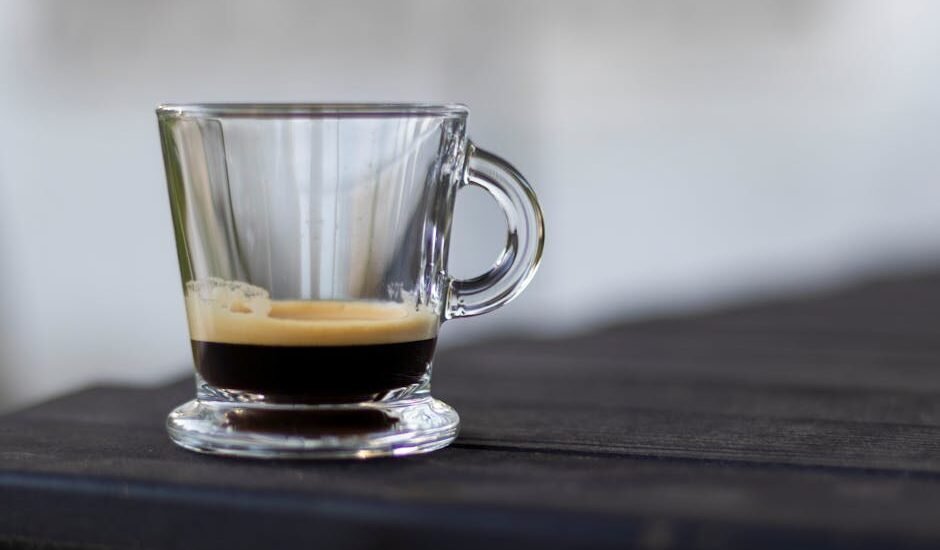
Crema—the golden-brown foam that crowns a freshly pulled espresso—captures the imagination of home brewers and coffee lovers alike. You might wonder why some espresso shots bloom with thick, caramel-colored crema, while others emerge flat or patchy. Understanding how crema forms in espresso is more than just coffee chemistry; it’s the key to dialing in your gear, beans, and technique for the best results at home.
What Actually Creates Crema in Espresso?
Crema forms when hot pressurized water emulsifies oils and suspends tiny coffee particles as it extracts espresso. The process is driven by three main factors: carbon dioxide (CO2) trapped in freshly roasted coffee, pressure from your espresso machine, and the unique solubles in the coffee’s oils. When high-pressure water (typically 9 bars, or nine times atmospheric pressure) forces its way through finely ground coffee, it releases CO2 and emulsifies oils, producing microbubbles that rise to form crema.
Think of crema as a signpost: it signals freshness, proper extraction, and correct equipment settings. But not all crema is equal. The color, thickness, and stability of crema depend on your beans, grinder, machine, and brewing skill.
How a 9-Bar Espresso Machine Changes Your Shots
Espresso machines for home use typically advertise pressure ratings from 9 to 19 bars, but true espresso is extracted at 9 bars. Machines that can consistently deliver 9 bars—not just a burst at startup—are better at producing rich, lasting crema. Lower pressures (below 7 bars) often result in weak, quickly dissipating crema, while much higher pressures (above 12 bars) can produce bitter flavors and unstable foam.
For a home setup, look for machines with a rated pressure of 9 bars and a pump or lever mechanism that maintains this throughout extraction. This is a crucial spec—without it, even the freshest beans and best grinder won’t yield authentic crema.
Why Freshness of Beans Matters More Than You Think
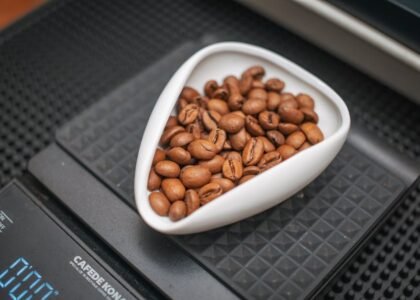
CO2 is the lifeblood of crema. Freshly roasted coffee retains more CO2, which is released during extraction to create those signature bubbles. Beans roasted more than 3-4 weeks ago lose significant CO2, resulting in thin or absent crema. Ideally, use beans between 4 and 14 days post-roast for maximum crema potential.
Pre-ground coffee, even if freshly opened, usually produces less crema due to rapid CO2 loss after grinding. Grinding right before brewing is non-negotiable if you want thick, persistent crema.
Grind Size and Distribution: The Unsung Heroes of Crema
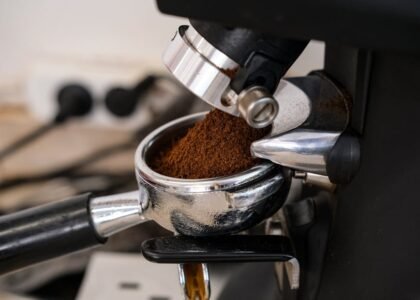
Grind size affects both extraction and crema formation. Too coarse and water passes through too quickly, under-extracting and reducing crema. Too fine and water can’t flow, causing over-extraction or even machine blockage. For espresso, aim for a grind size of 200–250 microns—a fine, powdery texture similar to table salt.
Consistent grind distribution matters, too. Uneven grinds create channels where water escapes, bypassing the coffee and sabotaging crema. Burr grinders with at least 38mm burrs offer better consistency than blade grinders or smaller burrs. If you want to upgrade, Check current prices on quality burr grinders designed for espresso.
Water Temperature and Its Impact on Crema
Espresso extraction happens best between 195°F and 205°F (90°C–96°C). Too cool, and coffee oils aren’t sufficiently emulsified, resulting in weak crema. Too hot, and you risk bitter flavors and rapid crema collapse. Machines with PID temperature control (accuracy within ±2°F) help maintain this ideal window.
Some home machines lack precise temperature control, leading to inconsistent crema from shot to shot. If your machine doesn’t allow temperature adjustment, consider upgrading or modifying with a PID kit. See today’s deals on machines with advanced temperature control features.
Comparison Table: Home Espresso Setups and Crema Formation
| Setup Type | Pressure Rating | Grinder Burr Size | Temperature Control | Crema Quality | Price |
|---|---|---|---|---|---|
| Entry-Level Pressurized Basket | 15 bars (unregulated) | Blade / 30mm burr | Thermoblock (±10°F) | Thick but artificial, dissipates fast | $ |
| Standard Pump Machine | 9 bars (regulated) | 38-40mm burr | Thermostat (±5°F) | Moderate, with stable foam | $$ |
| Manual Lever Setup | 8–10 bars (user-controlled) | 48mm flat burr | Boiler (±3°F) | Rich, dense, classic crema | $$$ |
| PID-Controlled Prosumer Machine | 9 bars (regulated) | 54mm conical burr | PID (±2°F) | Consistent, long-lasting crema | $$$ |
Pricing context: $, $$, and $$$ are relative ratings against the other products listed above, not absolute dollar ranges. Live current prices follow below.
What Home Brewers Get Wrong About Crema
Many home espresso drinkers chase thick crema at all costs, thinking more is always better. But artificial crema—produced by pressurized baskets or “crema valves”—looks impressive but tastes flat or metallic. Real crema comes from fresh coffee, proper pressure, and a good grinder. Don’t be fooled by the appearance alone; flavor and aroma matter more than foam thickness.
Another common pitfall: ignoring grinder quality. Even a top-tier espresso machine can’t compensate for a cheap, inconsistent grinder. Invest in a burr grinder with precise adjustment steps (at least 20 micro-steps between espresso and drip ranges) for best results. Compare current options on espresso-capable grinders for home.
Related Guides
- What’s the Ideal Pressure Setting for Espresso Machines?
- How to Adjust Espresso Machine Pressure: A Step-by-Step Guide
- AeroPress vs French Press: Which Makes Better Espresso-Style Coffee?
- The Best Espresso Machines for Home Use, Reviewed
- Espresso Machine Water Filters That Are Actually Worth Using
- Burr vs Blade Grinders for Espresso: What’s the Real Difference?
- Browse all Espresso & Milk →
How to Troubleshoot Crema Problems at Home
Thin or absent crema? Start by checking your coffee’s roast date. If it’s older than a month, try a fresher batch. Next, check your grinder: is it producing a fine, even grind? If not, recalibrate or consider an upgrade. For machines, ensure you’re reaching 9 bars of pressure—if you have a gauge, watch for a steady reading during extraction. Finally, experiment with water temperature and dose: use 18–20 grams of coffee for a double shot and 35–40 grams of liquid espresso out, aiming for a 1:2 ratio in 25–35 seconds.
6 FAQs About Crema Formation in Espresso
Why does my espresso have no crema?
Common reasons include stale coffee (older than 4 weeks), pre-ground beans, low extraction pressure (below 8 bars), or too coarse a grind. Ensure you use freshly roasted, whole beans and a burr grinder set to a fine espresso grind.
Does the roast level affect crema?
Yes. Medium and medium-dark roasts typically produce the most stable crema. Very light roasts can create pale, thin crema, while very dark roasts may yield larger bubbles with a reddish hue but less stability.
Can I get good crema with a manual espresso maker?
Yes, but only if you can generate consistent pressure (8–10 bars) and use a fine, even grind. Manual lever machines often reward skill and fresh coffee with excellent crema, but require practice.
Is thick crema always a sign of good espresso?
No. Artificially thick crema from pressurized baskets or stale beans can look impressive but taste bland or bitter. Focus on crema that is fine-bubbled, caramel-colored, and persistent—paired with rich aroma and balanced flavor.
How quickly should crema dissipate?
Natural crema should last 60–90 seconds before thinning, leaving a tan ring on the cup. Very fast dissipation (under 30 seconds) usually indicates stale coffee or low extraction pressure.
Does water quality influence crema?
Yes. Very hard or very soft water can affect extraction and crema formation. Use filtered water with moderate mineral content (around 50–150 ppm total dissolved solids) for best results.
Takeaways: What Matters Most for Crema at Home
Crema is the result of using fresh, well-roasted beans, grinding just before brewing, and extracting with consistent 9-bar pressure and precise temperature. Don’t chase thick crema at the expense of taste—balance is key. If you want to upgrade your home espresso setup for better crema, focus first on a quality burr grinder, then look for a machine with regulated 9-bar pressure and accurate temperature control. Ready to see what’s out there? View what’s available for espresso gear that delivers real results.
Last updated: May 2026 · How we cover this topic