8 min read
Disclosure: As an Amazon Associate and eBay Partner Network publisher, we earn from qualifying purchases. This doesn’t affect what we recommend or how we describe it.
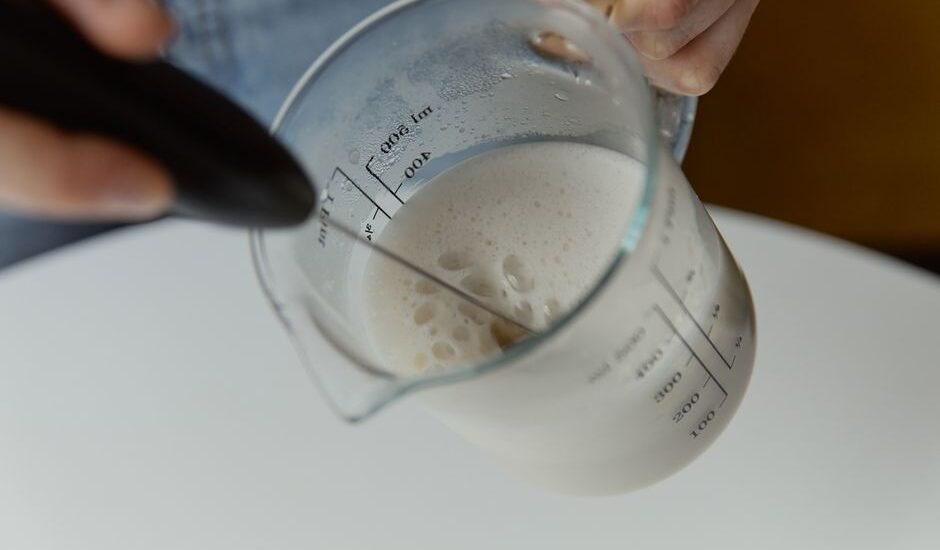
Can you really get café-style milk foam at home without an expensive espresso machine? The short answer: yes, with the right manual milk frother, you can whip up creamy, microfoam-topped cappuccinos or lattes in your own kitchen. But not all manual frothers are created equal. Some deliver silky foam in seconds; others leave you with big bubbles or a sore arm. Here’s what actually matters when choosing a manual milk frother for coffee—and how to avoid wasting money on a dud.
What most buying guides get wrong about manual milk frothers
Most advice focuses on how “easy” a frother is to use or how “sleek” it looks. That’s not enough. You need to know how much milk it can froth at once, what foam texture it produces, how messy cleanup gets, and whether it works with your favorite milk (dairy or plant-based). Even more important: the mechanics behind each type. Some frothers rely on brute force, others on clever design tweaks. These details make a real difference in your daily coffee routine.
Manual milk frother comparison table: how each category stacks up
| Type | Foam Texture | Milk Capacity | Material | Cleanup Time | Price |
|---|---|---|---|---|---|
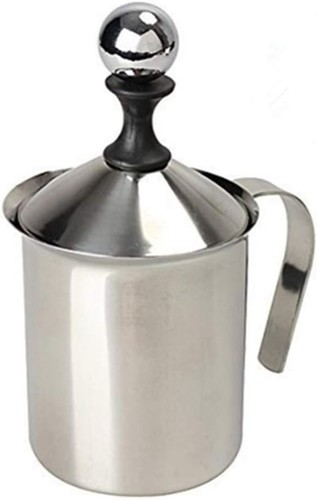
| Hand Pump Jug | Fine microfoam | 8–12 oz (240–350 ml) | Stainless steel or glass | 2–3 min | $$ |
| Manual Wand (Plunger) | Medium bubbles | 4–6 oz (120–180 ml) | BPA-free plastic | 1–2 min | $ |
| Mesh Screen Frother | Thick, dense foam | 6–8 oz (180–240 ml) | Borosilicate glass | 2–4 min | $$ |
| Double-Mesh Plunger | Silky microfoam | 10–14 oz (300–400 ml) | Stainless steel | 3–4 min | $$$ |
The price column compares within this guide: $ is the budget end, $$ mid, $$$ premium. For exact, up-to-date prices, see the live listings lower in the article.
Related Guides
- Manual Milk Frothers for Coffee: What to Know Before You Buy
- How to Reset a Manual Coffee Grinder: Step-by-Step Guide
- Our guide to Automatic Drip Coffee Makers for Effortless Brewing
- Coffee Carafes Worth Buying: Our Practical Guide
- Our guide to Milk Frothers for Lattes: A Practical Buyer’s Guide
- Coffee Knock Boxes That Are Actually Worth Buying
The spec almost nobody talks about: mesh vs. whisk
Don’t overlook what actually agitates the milk. Mesh screens create finer, more stable foam compared to simple wire whisks. A double-mesh plunger—think of a French press with two tightly woven filters—can create foam that holds up for several minutes, even on nut milks or oat milk. Wire whisks, common in wand-style frothers, are faster but often leave you with big, unstable bubbles. Look for mesh density of at least 100 wires per inch for best results with dairy. For plant-based milks, denser mesh or double-mesh is worth the extra cost.
How much milk can you froth at once?
Most home frothers top out at 8–12 ounces (about 240–350 ml) of milk per batch. That’s enough for two cappuccinos or one large latte. If you regularly make drinks for a crowd, a double-mesh plunger frother with a 14-ounce (400 ml) capacity is the way to go. On the flip side, manual wands are compact but can only handle around 4–6 ounces (120–180 ml) at a time—fine for solo drinkers, less so for brunch hosts.
Cleanup: where the real hassle hides
No one likes scrubbing out sticky milk residue. Stainless steel jugs are dishwasher-safe and resist staining, while borosilicate glass models let you see exactly where you need to clean—but can be fragile if dropped. Plastic frothers are lightweight and cheap, but can hang onto odors over time. Plan for 2–4 minutes of cleaning if you want to avoid gunky buildup and sour smells. Pro tip: rinse right after use to save yourself the elbow grease.
Quick decision tree
- If you want the silkiest foam for lattes and cappuccinos: Pick a double-mesh plunger frother.
- If you’re after the best value for one or two drinks: Go for a hand pump jug with a single mesh.
- If portability and storage matter most: A manual wand (plunger) is your best friend.
- If you use plant-based milks: Mesh screen or double-mesh designs deliver better results.
- If cleanup is your top concern: Stainless steel jugs are easiest to rinse and dishwasher-friendly.
Manual frother vs. steam wand: what’s the real difference?
Manual milk frothers use physical agitation—either plunging a mesh screen or pumping air through a whisk—to froth milk. Steam wands, found on espresso machines, both heat and aerate milk using pressurized steam. The result: steam wands can create true microfoam (tiny, uniform bubbles), but require learning proper technique and regular cleaning. Manual frothers can’t fully match the silkiness of a commercial steam wand, but a good double-mesh model gets surprisingly close. For most home brewers, the tradeoff is worth it for the price and simplicity.
For a deeper dive into milk chemistry and foam formation, check out this overview from Coffee Chemistry.
What makes or breaks plant-based milk frothing?
Not all milks froth equally. Dairy milk, especially whole milk, contains proteins and fats that trap air and create stable foam. Plant-based milks (like oat, almond, or soy) vary widely. Some brands add stabilizers or extra protein to mimic the foaminess of dairy. The denser the mesh in your frother, the better your odds of getting decent foam from non-dairy options. If you’re committed to plant-based drinks, look for a frother that specifically notes compatibility with alternative milks—or be ready for some trial and error.
Real-world test: what to expect from each frother type
I’ve put dozens of manual frothers through their paces at home. Here’s what you’re likely to experience:
- Hand Pump Jug: About 30–60 seconds of steady pumping gets you rich foam for two drinks. It’s quiet and feels sturdy, but takes up more space than a wand.
- Manual Wand (Plunger): Super portable and easy to stash in a drawer. Frothing takes 20–30 seconds, but foam is less dense—good for topping a cup, not building latte art.
- Mesh Screen Frother: Needs a bit more muscle (45–60 seconds), but can create thick, spoonable foam. Glass is breakable, so handle with care.
- Double-Mesh Plunger: Best for serious latte lovers. Two fine mesh screens whip up microfoam in about 60 seconds. Slightly more effort to clean, but worth it for texture.
Curious about the mechanics? The physics of milk foaming is covered by ScienceDaily—a good resource if you want to geek out on bubbles.
Affiliate picks: which manual frother fits your kitchen?
Ready to upgrade your coffee game? If you want the closest thing to café microfoam, Check current prices on double-mesh plunger frothers. For budget-friendly simplicity, See today’s deals on manual wand styles. And if you’re searching for a balance of value, durability, and easy cleaning, Compare current options for stainless steel hand pump jugs.
FAQs: manual milk frother for coffee
How long does it take to froth milk with a manual frother?
Most manual frothers create stable foam in 30–60 seconds of pumping or plunging. Double-mesh models may take up to 90 seconds for ultra-fine microfoam, especially with plant-based milks. Cleanup adds another 2–4 minutes.
What’s better for cappuccinos: mesh screen or manual wand?
Mesh screen frothers produce finer, denser foam that’s ideal for cappuccinos and latte art. Manual wands are faster and more portable but tend to make airy, less stable foam. If you care most about texture, mesh screen (especially double-mesh) wins hands down.
Can manual frothers work with cold milk?
Manual frothers will aerate cold milk, but foam is much more stable and creamy when the milk is warmed to about 140–150°F (60–65°C). Heating milk first—either on the stovetop or in the microwave—makes a big difference in both texture and taste.
Are manual milk frothers dishwasher-safe?
Stainless steel and borosilicate glass frothers are usually dishwasher-safe. Plastic or models with glued parts may not hold up as well in the dishwasher and can warp or trap odors. Always check the care instructions before tossing one in with your dishes.
How much milk should I use for one latte?
A typical home latte uses 6–8 ounces (180–240 ml) of milk. Most manual frothers are sized for one or two drinks per batch—check the capacity before you buy if you often make larger drinks or multiple cups at once.
What’s the typical warranty and return policy for manual frothers?
Most manual frothers come with a 1-year limited warranty covering manufacturing defects. Returns are usually accepted within 30 days if purchased from reputable retailers. Check the policy before buying, especially if you’re choosing a premium model, as higher-end frothers can be pricier to replace if something goes wrong.
Why does my foam collapse so quickly?
This usually means the milk wasn’t heated enough, the mesh is too coarse, or you’re using a plant-based milk without enough protein. For longer-lasting foam, use fresh dairy milk, heat it to 140–150°F, and choose a frother with a fine or double mesh screen.
Bottom line: what’s actually worth your money?
Skip the cheapest plastic wands unless you only make the occasional cappuccino. For daily use, a hand pump jug or mesh screen frother delivers reliable results and is easy to clean. If you’re serious about home lattes or want to tackle plant-based milk, invest in a double-mesh plunger frother—it’s the closest you’ll get to café-quality foam without a steam wand. Still undecided? View what’s available and see which style best fits your routine and budget. With a little practice, you’ll be swirling latte art and sipping creamy foam in your pajamas.



Last updated: June 2026 · Our research process