7 min read
You’re standing over your pour-over, watching the grounds bubble and swell as hot water hits them. Should you stir? Wait? Is this fizzing normal—or a sign your coffee’s stale? If you’ve ever wondered what’s really going on during the “bloom” phase, and how to get it right for better-tasting coffee, this guide breaks down the science, practical techniques, gear differences, and common mistakes—so you can master coffee bloom at home.
Why coffee bloom matters more than most guides admit
Most coffee advice glosses over the bloom as a quick pre-wet. But the bloom is where your brew’s flavor potential is set. During bloom, hot water releases trapped carbon dioxide (CO₂) from freshly ground coffee. If you skip it or do it wrong, escaping gas can repel water, causing uneven extraction—meaning some grounds over-extract (bitter), others under-extract (sour), and your cup tastes muddled.
Freshness, grind size, water temperature, and even your pouring style all affect bloom. Getting it right means more even extraction and sweeter, more balanced coffee. Get it wrong, and even expensive beans can taste flat or harsh.
What actually happens during coffee bloom?
When you add hot water—typically 195–205°F (90–96°C)—to fresh coffee grounds, CO₂ produced during roasting rapidly escapes, causing bubbling and swelling. This gas wants out fast, especially in coffee less than 2 weeks off-roast. CO₂ is both friend and foe: it protects flavors from staling, but interferes with water soaking the grounds.
Blooming is about giving CO₂ a head start to escape, so water can later extract flavor evenly. Most pour-over recipes recommend pouring 2–3 times the weight of dry coffee in water (for 20g grounds, use 40–60g water), letting it sit for 30–45 seconds. Espresso and French press have their own quirks, but the same principle applies.
How your brewing gear changes the bloom
Not all brewing setups handle bloom the same way. Here’s a table comparing how different common home brewing configurations impact bloom, what to expect, and how to adapt your technique.
| Configuration | Ideal Bloom Water (g per 15g coffee) | Recommended Bloom Time (sec) | Water Temp Range (°F) | Ease of Bloom Control |
|---|---|---|---|---|
| Manual Pour-Over Kit | 40–60g | 30–45 | 195–205 | Precise |
| Automatic Drip Machine | — | — | 175–205 | Low |
| French Press | 50–60g | 30–60 | 195–205 | Moderate |
| Espresso Machine | — | Pre-infusion: 3–8 | 190–203 | Variable |
The spec almost nobody talks about: grind size and bloom
Grind size isn’t just about extraction speed—it also changes how your coffee blooms. Finer grinds (for espresso) trap more CO₂ and can cause more dramatic bubbling, but also risk channeling (water finding “shortcuts” through the puck). Coarser grinds (for French press) release gas more gently, but may not bloom as vigorously if the coffee isn’t fresh.
For pour-over, a medium grind (roughly table salt) gives a satisfying bloom without clogging your filter. If your grounds barely bubble, they’re likely stale or over-ground. If the bloom erupts violently, your beans are ultra-fresh—try extending the bloom time to 45–60 seconds or let beans rest a few extra days after roasting.
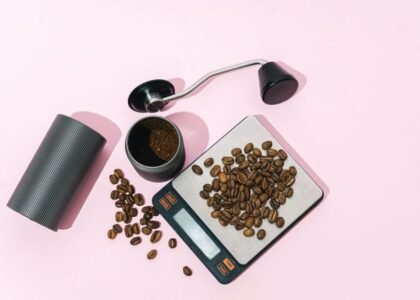
Consistent grind matters. Burr grinders with 38–64mm burrs produce more uniform particles, which bloom more evenly than blade grinders. If you’re in the market for a new grinder,to see which models deliver the most even grind for your brew style.
Related Guides
- Our guide to Coffee Grinder Retention Explained: What It Means and Why It Matters
- Best Automatic Drip Coffee Makers: A No-Nonsense Buyer’s Guide
- Coffee Knock Boxes That Are Actually Worth Buying
- Coffee Scales With Timers: Which Ones Are Actually Worth Buying?
- Our guide to Coffee Server Carafes That Are Actually Worth Buying
- Coffee Containers for Keeping Beans Fresh
- Browse all Brewing Guides →
Common mistakes to avoid
- Skipping the bloom step entirely. Many automatic machines don’t pause for bloom, leading to sour or uneven cups. Manual brewers should always bloom, even if it adds a minute.
- Using water that’s too cool (below 195°F/90°C). Cooler water releases less CO₂, so gas stays trapped, making extraction patchy.
- Blooming for too long (over 90 seconds). Extended bloom can cool the slurry and stall extraction, resulting in flat, underwhelming coffee.
- Pouring too much water during bloom. Flooding the grounds can wash fines into your cup or overflow your filter, muddying flavors.
- Ignoring grinder quality. Inconsistent grind leaves some particles over-extracted and others under-bloomed, sabotaging even the freshest beans.
Manual vs. automatic brewing: who controls the bloom?
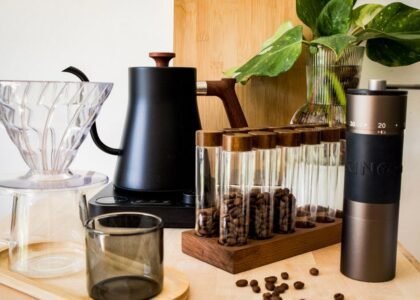
Manual methods like pour-over and French press give you total control over bloom: you decide how much water, how slowly to pour, and how long to wait. With a gooseneck kettle, you can target the grounds evenly and saturate all the coffee.
Automatic drip machines vary. Some newer models offer a “pre-infusion” or “bloom” mode, pausing after the first pour. But many budget machines skip this step, blasting all the water at once and leaving CO₂ trapped. If you want more flavor and control, consider upgrading to a brewer with a programmable bloom phase. View what’s available for machines that let you dial in bloom time and temperature.
Blooming for espresso: what pre-infusion really does
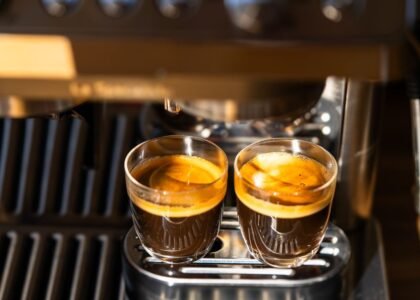
Espresso machines don’t “bloom” in the classic pour-over sense, but many use a “pre-infusion” phase—low pressure (2–4 bars) water for 3–8 seconds before ramping up to full pressure (9 bars). This gently saturates the puck, lets CO₂ escape, and helps prevent channeling. Machines with adjustable pre-infusion let you tweak this phase for different roasts and grinds.
If your shots gush or sputter during extraction, inconsistent bloom may be to blame. Consider a machine with programmable pre-infusion, or experiment with manual “bloom” by lifting the lever or pausing extraction for a few seconds. For home baristas chasing sweeter, more balanced shots, See today’s deals on machines with advanced pre-infusion features.
How to tell if your coffee is blooming properly
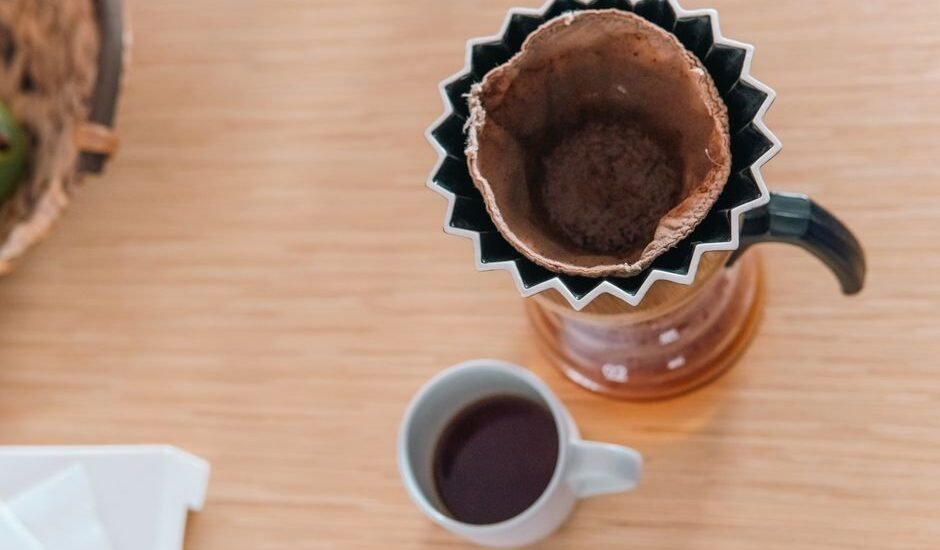
Watch for swelling, bubbling, and a rich, dome-shaped mound of grounds after pouring bloom water. The bigger and livelier the bloom, the fresher the coffee. If nothing happens, the beans are likely stale or over-rested. If the bloom overflows, try reducing your bloom water or grind coarser.
Smell is another clue: a vibrant, sweet aroma signals active CO₂ release. A dull, cardboard scent means your coffee’s past its prime. For more on the science of coffee freshness, check out Specialty Coffee Association resources.
FAQs about coffee bloom explained
How long should the bloom phase last for pour-over?
Most pour-over recipes call for a bloom time of 30–45 seconds. With ultra-fresh beans (less than 3 days off-roast), you can extend to 60 seconds. Longer than 60 seconds risks cooling your slurry and stalling extraction.
What should I do if my coffee doesn’t bloom?
If you see little or no bubbling, your coffee may be stale, over-rested, or pre-ground. Try switching to freshly roasted, whole beans and grind just before brewing. Also, check your water temperature—it should be at least 195°F (90°C).
French press vs. pour-over: which gives a better bloom?
Pour-over typically produces a more pronounced, visible bloom due to the finer grind and even water distribution. French press can bloom well with fresh beans and a slightly coarser grind, but the effect is subtler. Both benefit from a 30–60 second bloom for best flavor.
Can I skip the bloom with pre-ground coffee?
Pre-ground coffee loses CO₂ quickly, so blooming often produces little visible effect. However, it still helps saturate the grounds and reduce dry clumps, so don’t skip it entirely—even if the visual bloom is less dramatic.
Does grinder type affect the bloom?
Absolutely. Burr grinders (with burrs typically 38–64mm) produce more uniform grounds, which bloom more evenly and extract better. Blade grinders create inconsistent particle sizes, leading to patchy bloom and muddled flavors.
How fresh should my beans be for the best bloom?
For maximum bloom, use beans roasted within 2–14 days. Beans less than 2 days old can trap too much CO₂ and taste grassy; after 2 weeks, much of the CO₂ is gone and bloom fades. Store beans in an airtight container to preserve freshness.
What if my pour-over blooms so much it overflows?
This usually means your coffee is extremely fresh or your bloom pour is too aggressive. Try using less water for the bloom (2x coffee weight instead of 3x), pouring more slowly, or waiting a few extra days after roasting before brewing.
Do all automatic coffee makers handle bloom the same way?
No. Some high-end machines offer a dedicated pre-infusion or bloom phase, while most budget models skip it entirely. If you value bloom control, look for machines with programmable bloom times or consider switching to a manual method.
Bringing it all together: why bloom is worth mastering
Blooming isn’t just coffee theater—it’s a simple step that can transform your brews. With the right grind, water temperature, brewing setup, and a little patience, you’ll unlock sweeter, more balanced cups every time. For deeper dives into the science behind extraction, the Wikipedia coffee extraction page is a solid starting point. And when you’re ready to upgrade your setup for more precise bloom control,on gear that matches your style and budget.
Last updated: June 2026 · How we cover this topic