11 min read
Disclosure: As an Amazon Associate and eBay Partner Network publisher, we earn from qualifying purchases. This doesn’t affect what we recommend or how we describe it.
A coffee dosing cup for espresso lets you transfer ground coffee from your grinder to your portafilter with less mess and more consistency. For home espresso, this simple upgrade can solve annoying workflow issues — clumps, spills, and uneven dosing — that even expensive grinders and machines can’t fix on their own. This guide breaks down which dosing cup styles fit different setups, how to use them properly, and what to look for (and ignore) before you buy. By the end, you’ll know which type makes sense for your espresso routine and how to avoid common pitfalls.
Spot the difference between espresso dosing cup types
| Type | Material | Capacity (g) | Diameter (mm) | Weight (g) | Price |
|---|---|---|---|---|---|
| The classic stainless steel pick | 304 Stainless | 50-60 | 58 | 110-130 | $$ |
| The budget-friendly plastic option | Food-safe Polypropylene | 40-55 | 58 | 30-50 | $ |
| The best fit for small baskets | Aluminum Alloy | 20-30 | 51 | 60-80 | $$$ |
| The premium magnetic-base choice | Stainless w/ Magnet | 50 | 58 | 140 | $$$ |
Pricing key: $ marks the budget tier, $$ the mid-range, $$$ the premium picks. Tiers are relative to the products in this comparison; actual prices update live below.
Choosing the right dosing cup isn’t just about matching your portafilter size. The material, weight, and even the profile of the cup can change how easy it is to use and how consistent your shots are. For example, a lightweight plastic cup is cheap and easy to clean but can build up static, making grounds stick. A magnetic-base cup stays put for single-handed dosing but costs more. Precision tapered cups suit smaller baskets (like 51mm), while most home machines use 58mm baskets — always double-check compatibility before you buy.
Choose the right dosing cup workflow for your espresso setup
Home espresso routines vary widely, so the ideal dosing cup depends on your grinder, portafilter, and what you value most: speed, accuracy, or minimal cleanup.
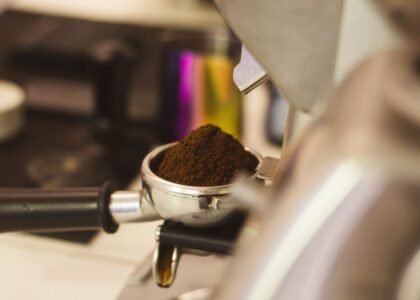
- Direct-to-cup grinding: If your grinder’s chute lines up with your dosing cup, you can grind straight into the cup, shake or WDT (Weiss Distribution Technique) as needed, then dump into your portafilter. This cuts down on waste and lets you break up clumps before tamping.
- Weigh-first approach: Some brewers prefer to weigh their beans, grind into the dosing cup, then weigh again to check retention. Cups with clear volume markings make this easier. This is especially useful for dialling in single-dose grinders, where even half a gram matters.
- Narrow-basket compatibility: If you use a 51mm or 54mm portafilter (common on entry-level machines), precision tapered cups prevent grounds from spilling. For 58mm baskets, standard cups usually fit flush.
Magnetic cups add stability for one-handed operation, but the extra weight and cost may be overkill unless you regularly deal with spills or have a particularly fussy grinder. Lightweight plastic is tempting for the price, but static cling can be a real annoyance, especially with lighter roasts or in dry climates. Stainless steel strikes the best balance for most home users: easy to clean, anti-static, and durable enough to survive years of daily use. Check current prices to see how the options stack up right now.
Get better espresso with these dosing cup techniques
Simply owning a dosing cup doesn’t guarantee cleaner shots or less waste. It’s how you use it that matters. Here’s how to get the biggest upgrade for your espresso workflow:
- Grind into the cup, not the basket. This reduces channeling by letting you break up clumps, stir, and redistribute grounds before transferring to the portafilter.
- Use a WDT tool in the cup. This step is easier in a cup than a basket — you can stir deeply without spilling, ensuring even extraction.
- Tap and shake for even transfer. Lightly tap the cup on the counter to settle grounds, then pour gently into the portafilter. Some cups have a spout or angled rim to reduce spills.
- Weigh before and after. For single dosing, always double-check your dose. A good cup makes it easy to tare your scale and keep things precise within 0.1g.
With practice, you’ll waste less coffee, produce more consistent pucks, and spend less time wiping up stray grounds. For a visual demo of proper technique, the YouTube coffee community is full of detailed workflow videos from home enthusiasts and pro baristas alike.
Related Guides
- Our guide to What to Know Before Buying a Coffee Dosing Cup for Espresso
- AeroPress vs French Press: Which Makes Better Espresso-Style Coffee?
- Automatic Drip Coffee Makers: A No-Nonsense Buyer’s Guide
- Our guide to Coffee Knock Boxes That Are Actually Worth Buying
- Coffee Scales With Timers: Which Ones Are Actually Worth Buying?
- Coffee Server Carafes That Are Actually Worth Buying
Specifications that actually matter
Diameter
The diameter of your dosing cup must match your portafilter basket. Most home espresso machines use 58mm baskets, but some entry-level or compact models use 51mm or 54mm. A loose fit leads to spills, while a tight fit makes transfer awkward. Always measure your basket before buying.
Weight
Heavier cups (over 100g) sit more securely on your scale and portafilter, reducing the risk of tipping. Lightweight cups (under 50g) are easier to handle but can shift around or even slide off if bumped. If your workflow is fast and you’re clumsy before coffee, go heavier.
Material
Stainless steel resists static and lasts for years. Plastic is affordable and less likely to scratch baskets, but it can attract static — meaning more grounds stick to the sides. Aluminum alloy is a premium option: lighter than steel, anti-static, but pricier.
Capacity
Look for a cup that holds at least 50g of grounds. This covers even oversized double shots (18-22g) and allows room to stir with a WDT tool. Too small, and you’ll spill every time you stir or shake.
Rim Design
Cups with a flared or angled rim make it easier to pour grounds evenly into the basket. Some include a spout for precise transfer, which helps if you’re dosing for smaller baskets or want minimal waste.
Can a dosing cup really improve your espresso?
Yes — if you struggle with inconsistent shots, messy counters, or retention in your grinder, a dosing cup is a low-cost fix that pays off quickly. You get tighter control over your dose, more even distribution, and less static mess. But it’s not a magic bullet: if your grinder produces clumpy or uneven grounds, you’ll still need to stir or use a WDT tool for best results. Dosing cups work best as part of a workflow that values precision and cleanliness.
How to check if a dosing cup fits your portafilter
Measure your portafilter basket’s inside diameter with a ruler or caliper. Most dosing cups are made for 58mm baskets, but some are designed for 51mm or 54mm. If the cup is too large, it won’t sit inside the basket; if it’s too small, grounds will spill over the sides. Always check specs and, if possible, test fit before buying. Some cups list compatibility with specific basket sizes in millimeters — trust those numbers over generic “universal fit” claims. See today’s deals for cups in your size.
When does material choice actually matter?
Material affects both performance and durability. Stainless steel is the gold standard: anti-static, easy to clean, and won’t crack if dropped. Plastic is lighter and cheaper but can hold static, causing grounds to cling. Aluminum alloy is light and anti-static but costs more. For most home users, stainless is the best balance between price and function, unless weight is your top concern.
Is a magnetic dosing cup worth the premium?
Magnetic-base cups stick to your portafilter or scale, making one-handed transfer possible and reducing spills. They’re heavier and more expensive, but for users with slippery counters or lots of accidental knocks, the extra stability can be worth it. If your setup is stable and you’re careful, you can skip the magnet and save some cash. Compare current options to see if the upgrade fits your needs.
What’s the best way to clean a dosing cup?
Stainless steel and aluminum cups can be rinsed with warm water and a drop of dish soap, then air-dried. Plastic cups are dishwasher safe, but repeated high-heat cycles may cause warping over time. Avoid abrasive scrubbers, especially on anodized or coated cups. For static issues, a quick wipe with a damp cloth dissipates static without leaving residue.
How long does a dosing cup last with daily use?
A quality stainless steel dosing cup can last for years, even with daily use. Expect at least 2-5 years of reliable service before you see any dents, warping, or corrosion — longer if you hand-wash and avoid dropping it. Plastic cups may develop scratches or warp in 1-2 years, especially if run through the dishwasher frequently.
Standard vs. precision tapered cups — which is better for smaller baskets?
Precision tapered cups are designed for 51mm or 54mm baskets and make dosing much easier for those sizes. Standard 58mm cups will cause spills and uneven distribution if used with smaller baskets. If you use a compact or entry-level espresso machine, a precision tapered cup is the way to go; for most home users with 58mm baskets, a standard cup is the simplest and most versatile choice.
What if my dosing cup doesn’t fit — can I return or modify it?
Most reputable retailers allow returns or exchanges for unused dosing cups that don’t fit your portafilter, but always check the return policy before buying. Avoid trying to “make it fit” by bending or forcing the cup — this can damage both the cup and your basket. If you’re between sizes, look for cups with a slightly tapered or flexible rim for a snug but safe fit.
Where to learn more about espresso accessories
For deep dives and independent reviews of espresso accessories, including dosing cups, Perfect Daily Grind offers guides and gear roundups from industry experts and home enthusiasts. Their resources can help you keep up with new workflow tools and get the most from your home setup.
Do I really need a dosing cup if my grinder has a doser?
A dosing cup is still useful even if your grinder has a built-in doser, especially if you want to reduce static mess or dose directly into a small basket. The cup lets you weigh and distribute grounds more precisely than most grinder dosers, and it makes single-dosing much easier. If your workflow is already clean and accurate, it’s less essential, but most home setups see a noticeable improvement.
Will a dosing cup affect my espresso flavor?
The cup itself won’t change the taste, but better distribution and dosing can give you more even extractions, which often taste sweeter and more balanced. If you’re struggling with bitter or sour shots due to channeling, using a dosing cup and WDT tool together can help you get closer to your machine’s best results. The effect is most noticeable if your current workflow is inconsistent.
Are there dosing cups for 54mm or 51mm baskets?
Yes, several dosing cups are designed specifically for 54mm and 51mm baskets, which are common on entry-level and compact espresso machines. These usually have a tapered or stepped profile to fit snugly without spilling. Always check the listed diameter in millimeters before purchasing to ensure compatibility with your basket size.
How do I prevent grounds from sticking to my dosing cup?
Static cling is a common issue, especially with plastic cups or in dry climates. Stainless steel and aluminum cups resist static better, but wiping the cup with a slightly damp cloth before use can also help. Some users lightly mist their beans with water before grinding (the “Ross Droplet Technique”) to reduce static, but always avoid getting the cup itself wet during dosing.
What’s the difference between a dosing cup and a dosing funnel?
A dosing cup is a vessel you grind into and then use to pour grounds into your portafilter. A dosing funnel attaches to the portafilter itself, guiding grounds directly into the basket and reducing spills. Both improve workflow, but a cup is better for weighing and stirring, while a funnel is best for fast, direct transfer from grinder to portafilter.
Is it worth spending extra on a premium dosing cup?
Premium dosing cups often offer better fit and finish, anti-static coatings, and features like magnetic bases or precision spouts. For most home brewers, a mid-priced stainless steel cup covers all the basics. Consider a premium model if you want a specific feature, have a non-standard basket size, or value aesthetics and build quality as much as function.
Upgrading your espresso routine with a dosing cup is one of those rare home coffee tweaks that pays off every single day. It’s not about chasing perfection — it’s about making less mess, getting more consistent shots, and enjoying the process. Whether you choose stainless, plastic, or a premium magnetic cup, the right choice depends on your workflow and your gear. View what’s available and see which style fits your espresso ritual.
Related Guides
- Our guide to What to Know Before Buying a Coffee Dosing Cup for Espresso
- AeroPress vs French Press: Which Makes Better Espresso-Style Coffee?
- Automatic Drip Coffee Makers: A No-Nonsense Buyer’s Guide
- Our guide to Coffee Knock Boxes That Are Actually Worth Buying
- Coffee Scales With Timers: Which Ones Are Actually Worth Buying?
- Coffee Server Carafes That Are Actually Worth Buying



Last updated: June 2026 · How we research and evaluate