5 min read
Your new bag of specialty coffee beans smells fantastic—until you notice the flavors start fading after just a week. Maybe your last batch turned stale before you finished it, or you’re wondering why your home brews never taste as vibrant as café pours. This guide breaks down exactly how to store fresh coffee beans so every cup you make tastes as good as the first. You’ll learn the science behind freshness, what actually works (and what doesn’t), and practical steps to keep your beans at their peak for longer.
Comparing Popular Coffee Bean Storage Methods
| Approach | Air Exposure | Light Protection | Capacity | Reusable? |
|---|---|---|---|---|
| Opaque Airtight Canister | <0.5% O₂ ingress/day | 100% light-blocking | 12–32 oz (350–950g) | Yes |
| Vacuum-Sealed Container | <0.1% O₂ ingress/day | 100% light-blocking | 16–32 oz (475–950g) | Yes |
| Original Bag with Resealable Zip | Up to 3% O₂ ingress/day | Typically 60–90% blocking | 8–16 oz (225–475g) | No |
| Freezer-Safe Bag (One-Way Valve) | <0.2% O₂ ingress/day | 100% light-blocking | Up to 32 oz (950g) | Yes |
Related Guides
- Coffee Containers for Keeping Beans Fresh
- Automatic Drip Coffee Makers for Effortless Brewing
- Coffee Carafes Worth Buying: Our Practical Guide
- Coffee Knock Boxes That Are Actually Worth Buying
- Our guide to Coffee Scales With Timers: Which Ones Are Actually Worth Buying?
- The Best Reusable Coffee Filters Worth Buying
- Browse all Coffee Essentials →
Why Freshness Drops Off—And What Actually Matters
Coffee beans lose their punch thanks to four enemies: oxygen, moisture, heat, and light. Oxygen stales beans through oxidation. Moisture causes clumping and can even trigger mold. Heat speeds up staling, while light (especially UV) breaks down aromatic compounds. The goal is to slow these processes so you can enjoy flavorful cups for longer. For most home brewers, storing beans in a cool, dark place in an airtight container is the sweet spot. But if you buy in bulk or only brew occasionally, a vacuum system or freezer approach can make a real difference.
Step-by-Step Guide: How to Store Fresh Coffee Beans at Home
- Choose an airtight, opaque container. Select one that holds your usual batch size (12–32 oz) and blocks all light. Avoid clear jars or containers with loose-fitting lids.
- Fill the container with whole beans. Only open the bag when you’re ready to transfer, and pour the beans in quickly to minimize air exposure.
- Seal the container immediately after each use. Always close the lid tightly after scooping out beans to prevent oxygen and moisture from getting in.
- Store in a cool, dark cupboard. Pick a spot away from appliances, ovens, or sunlight—ideally between 60–70°F (16–21°C).
- Grind beans just before brewing. Only grind what you need for each cup; ground coffee stales much faster than whole beans.
- If storing long-term, consider vacuum sealing or freezing. For storage over 2–3 weeks, portion beans into airtight, freezer-safe bags with one-way valves, and only thaw once before use.
When to Use the Freezer (And When Not To)
Freezing coffee beans is controversial, but it’s worth considering if you buy in bulk or want to preserve rare beans. Freezer storage dramatically slows oxidation, especially if you use one-way valve bags or vacuum-sealed containers. The key is to divide beans into single-use portions and avoid repeated thawing and re-freezing, which introduces condensation and degrades flavor. For everyday use, room temperature in an airtight, opaque canister is easier and just as effective for up to three weeks.
Common mistakes to avoid
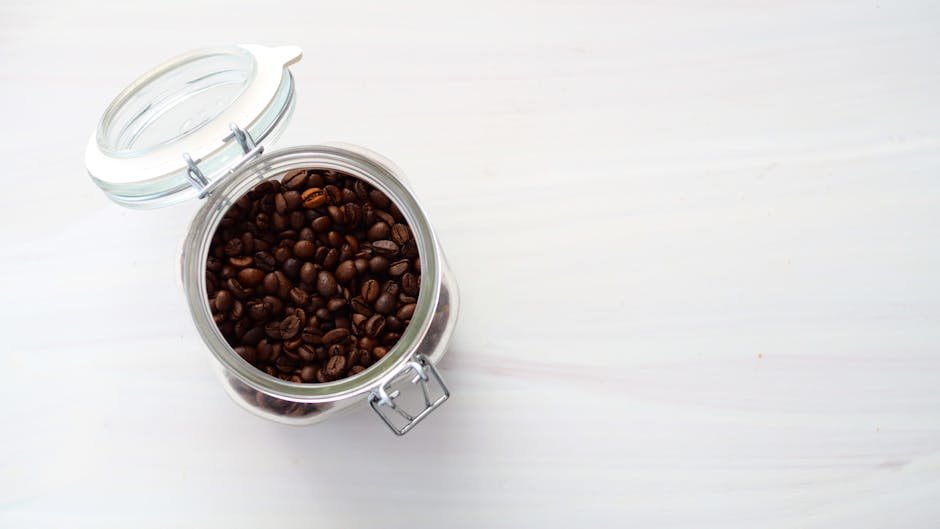
- Using clear glass jars: These let in light, which can quickly degrade coffee oils and aromas, even inside a dark cupboard.
- Leaving beans in open bags: Oxygen exposure ramps up staling; beans left in their original, unsealed packaging lose vibrancy fast.
- Storing beans near heat sources: Cabinets above ovens or next to the stove warm up during cooking, accelerating staling.
- Freezing and re-freezing the same batch: Each temperature swing causes condensation, leading to flat-tasting or even moldy beans.
- Buying too much at once: Even the best storage can’t fully halt staling. Buy only as much as you’ll use in 2–4 weeks for best results.
FAQs: Real-World Coffee Storage Questions
How long do coffee beans stay fresh after roasting?
Whole beans taste best within 2–4 weeks of roasting if stored properly. After four weeks, you’ll notice a drop in aroma and flavor clarity. If you need to stretch freshness, vacuum sealing or freezing can extend peak flavor for up to three months.
Is it better to store beans in the fridge or freezer?
The fridge is a bad idea—humidity and frequent door openings cause condensation and off-flavors. The freezer works well for long-term storage, but only if you use airtight, portioned containers and avoid thawing and re-freezing.
Opaque canister vs. vacuum container—which keeps beans fresher?
Vacuum containers remove most oxygen, slowing staling even more than standard airtight canisters. For daily use, an opaque airtight canister is usually enough. If you only brew occasionally, vacuum storage is worth the upgrade.
Can I use a regular mason jar to store coffee beans?
Mason jars are airtight but let in light, which can damage flavors over time. If you only have a mason jar, keep it in a dark cupboard, but upgrading to an opaque container gives noticeably better results. See today’s deals.
What size container should I use for coffee beans?
Pick a container that matches your buying habits. For most home brewers, a 12–16 oz (350–475g) canister holds a standard bag and keeps air space to a minimum. Oversized containers leave too much oxygen inside, speeding up staling.
What if my container’s seal wears out?
Check the gasket or lid for cracks or looseness every few months. A broken seal lets in air and moisture, so replace the seal or container promptly to keep your beans at their best. Many quality containers have replaceable seals—look for that feature when you View what’s available.
Why Your Storage Setup Matters More Than You Think
Every step you take to protect your beans—opaque containers, tight seals, portion sizing—adds up to better-tasting coffee. The difference between a cup brewed from well-stored beans and one from a stale bag is dramatic. For more detail on the science behind staling, check out the Perfect Daily Grind for deep dives on coffee freshness and storage.
Final Thoughts: Getting the Most From Every Bag
Small changes to your storage routine can pay off with every brew. Use airtight, opaque canisters for daily use, and freeze only what you won’t use within a month. Grind just before brewing, and buy only what you’ll drink in a few weeks. If you want to upgrade your setup,on storage containers designed for coffee. With a little care, you’ll notice brighter, more complex flavors—right up to the last cup.
Last updated: June 2026 · About our research