Disclosure: As an Amazon Associate and eBay Partner Network publisher, we earn from qualifying purchases. This doesn’t affect what we recommend or how we describe it.
8 min read
Hard water, odd flavors, or limescale in your espresso machine? A quality water filter is one of the simplest upgrades you can make for better-tasting shots and a longer-lasting machine. But with dozens of filter types—inline, tank drop-ins, cartridge systems, and more—choosing the right option can feel overwhelming. Whether you want to upgrade your home setup, compare filter types, or finally solve those stubborn scale issues, this guide breaks down exactly which espresso machine water filters work best, how they differ, and how to pick the right one for your gear and water. For more detail, see Consumer Product Safety Commission.
Comparing Top Espresso Machine Water Filter Types: Specs & Performance
| Filter Type | Filtration Method | Lifespan (Avg. Cups / Months) | Flow Rate (L/min) | Removes | Machine Compatibility |
|---|---|---|---|---|---|
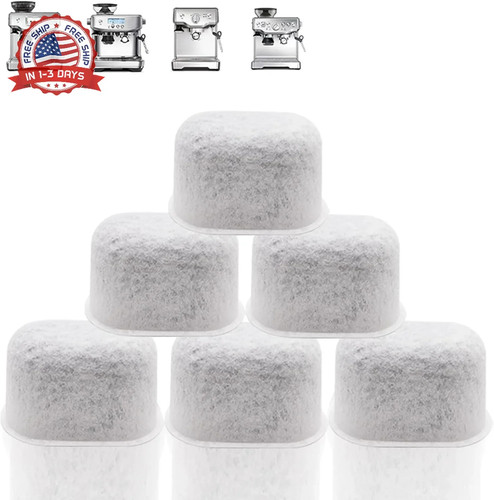
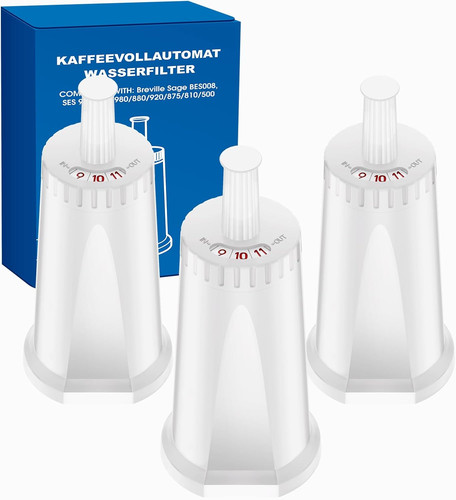
| Tank Drop-In Cartridge | Activated carbon + ion exchange resin | 200-300 cups / 2 months | 0.2-0.3 | Chlorine, limescale, some heavy metals | Fits most removable tanks (measure diameter) |
| Inline Hose Filter | Multi-stage (sediment, carbon, resin) | 400-700 cups / 3-6 months | 0.4-0.5 | Chlorine, scale, odor, particulates | Plumbed-in or direct-connect machines |
| Under-Sink Cartridge System | Reverse osmosis + remineralization | 1000+ cups / 6-12 months | 0.2-0.4 | 99% TDS, all scale, taste/odor, bacteria | Requires plumbing; not for portable units |
| Pitcher-Style Water Filter | Granular activated carbon | 120-180 cups / 1 month | 0.1-0.2 | Chlorine, some odor, minor sediment | Universal (pour into any tank) |
Amazon is the simplest path when you want the newest model, Prime shipping, and a no-questions-asked return window.
Open Amazon →Why Water Quality Matters More Than You Think
Even the best grinder and freshest beans can’t overcome the taste of chlorine, metallic off-flavors, or heavy limescale. A typical espresso shot is 90% water. If your tap water is hard (over 120 ppm as CaCO3), you’ll notice more bitter notes and risk scale buildup inside the boiler. Too soft, and your coffee tastes flat. The right water filter not only protects your machine from scale but also ensures every shot tastes balanced. For more detail, see Water softening overview.
Which Filter Type Actually Fits Your Machine?
Most home espresso machines fall into two camps: those with removable water tanks and those plumbed directly to a water line. Here’s how that affects your filter choices:
- Removable Tank Machines: Drop-in cartridges are convenient, but you must match the size (typically 3-5 cm diameter) and check for compatibility with your tank. Pitcher filters work for any tank but offer less scale protection.
- Plumbed-In Machines: Inline hose filters or under-sink systems are your best bet. These connect directly to the water line, filter at higher volumes, and typically last longer between changes.
What a Good Espresso Water Filter Actually Does
Forget claims of “barista-quality” water—what matters is how well a filter removes:
- Chlorine and Odor: Activated carbon filters handle this, improving taste and aroma.
- Limescale: Ion exchange resin is the key here, swapping calcium/magnesium ions for sodium or potassium to prevent scale.
- Heavy Metals & Sediment: Some multi-stage filters will reduce lead, copper, or fine particles, but always check for NSF/ANSI 42 or 53 certification if this is a priority.
Look for filters that clearly state their removal rates—e.g., “reduces chlorine by 95%,” “prevents scale at 180 ppm hardness”—rather than vague marketing claims.
Related Guides
- How to Adjust Espresso Machine Pressure: A Step-by-Step Guide
- What’s the Ideal Pressure Setting for Espresso Machines?
- The Best Reusable Coffee Filters Worth Buying
- AeroPress vs French Press: Which Makes Better Espresso-Style Coffee?
- The Best Espresso Machines for Home Use, Reviewed
- Browse all Buying Guides →
How to Measure Your Water Before Choosing a Filter
Blindly buying a filter isn’t ideal. Start by testing your tap water’s hardness and TDS (total dissolved solids). Hardness test strips cost a few dollars and give a quick ppm reading. Most espresso machines work best with hardness between 40–70 ppm as CaCO3 and TDS between 75–150 ppm. If your tap water is well outside this range, a basic carbon filter won’t be enough—go for a filter with ion exchange resin or even a reverse osmosis system with remineralization.
See today’s deals on home water test kits and espresso-friendly filters.
Drop-In Cartridges: Pros, Cons, and What to Watch For
Drop-in cartridges are the go-to for compact home machines with water tanks. Installation is simple: just snap or drop the cartridge into the tank. Most use a blend of activated carbon and resin. You’ll need to replace them every 2–3 months or after about 250 shots.
- Pros: Easy to install, no plumbing required, fits in-tank.
- Cons: Limited lifespan, can get expensive, may not fit all tanks (always measure your tank diameter and depth).
- Specs to Compare: Cartridge size (height/diameter in mm), lifespan (cups or liters), scale reduction claim (e.g., “reduces scale up to 90% at 180 ppm hardness”).
Compare current options for tank-compatible drop-in cartridges and check your tank size before buying.
Inline Hose Filters: The Upgrade for Plumbed Machines
If you’ve plumbed your espresso machine to a water line, inline hose filters offer serious performance. These multi-stage filters sit between your water source and machine, combining sediment filtration, carbon, and resin. Expect a lifespan of 3–6 months or 400–700 shots—much longer than drop-ins.
- Pros: High flow rates (0.4–0.5 L/min), longer lifespan, robust scale prevention.
- Cons: Installation requires some plumbing know-how, not for portable or tank-fed machines.
- Specs to Compare: Inlet/outlet hose diameter (usually 3/8”), max pressure (often up to 8 bar), filtration stages.
View what’s available for inline hose filters with multi-stage protection.
Under-Sink Systems: The “Set and Forget” Solution
For serious home espresso setups—or if you want a single filter for all your kitchen water—under-sink cartridge systems are hard to beat. The best combine reverse osmosis (RO) with a remineralization stage, stripping out nearly all minerals and then adding just enough back for balanced espresso extraction. RO systems remove up to 99% of TDS, but the remineralization cartridge is crucial—pure RO water is too “empty” and can taste flat in coffee.
- Pros: Extremely thorough filtration, very long lifespan (6–12 months), can supply all kitchen water.
- Cons: Most expensive, requires plumbing and space, overkill for soft water areas.
- Specs to Compare: RO membrane micron rating (e.g., 0.0001 microns), remineralization cartridge type, daily water output (e.g., 50–75 gallons/day).
Pitcher Filters: The “Good Enough” Option for Soft Water
If your water is already soft and mostly tastes fine but has a bit of chlorine or odor, a pitcher-style filter is the simplest solution. These use activated carbon to remove the worst of the off-flavors but don’t do much for scale. They’re universal—just fill, wait a few minutes, and pour into your espresso machine’s tank.
- Pros: Cheap, no installation, fits any tank.
- Cons: Short lifespan (1 month), minimal scale reduction, flow rate is slow (0.1–0.2 L/min).
- Specs to Compare: Capacity (liters per fill), filter replacement interval, chlorine reduction rating.
How Often Should You Replace Your Espresso Machine Water Filter?
Don’t trust the “set it and forget it” approach. Even the best filters lose effectiveness over time. Most drop-in cartridges and pitcher filters last 1–2 months (or about 200–300 shots). Inline and under-sink systems stretch to 6–12 months, but always check your water quality—if you notice flavor changes, scale, or slow flow, it’s time to swap. Mark your calendar or set a phone reminder for consistent results.
Amazon is the simplest path when you want the newest model, Prime shipping, and a no-questions-asked return window.
Compare Options on Amazon →FAQs: Espresso Machine Water Filters for Home Use
Will a water filter really improve my espresso flavor?
Yes—if your tap water has noticeable chlorine, odor, or heavy hardness (over 120 ppm), a good filter will make your espresso taste cleaner, sweeter, and more balanced. If your water is already close to ideal, the improvement may be subtle but still worthwhile for machine protection.
Can I use bottled water instead of a filter?
Bottled water works in a pinch, but it’s expensive, wasteful, and often too soft or too hard for great espresso. Most bottled “spring” waters have TDS over 200 ppm, which can cause scale. A filter lets you tune your water for both taste and machine longevity.
How do I know if a filter fits my espresso machine?
For drop-in cartridges, measure your tank’s diameter and depth—most cartridges are 3–5 cm wide and 8–12 cm long. For inline filters, check your hose diameter (usually 3/8” or 1/4”). Always confirm compatibility before buying.
Do I need a filter if I descale my machine regularly?
A filter reduces the need for descaling but doesn’t eliminate it. Even with a good filter, descale every 2–3 months (or as your machine’s manual recommends) to prevent hidden buildup, especially if your water is moderately hard.
What’s the difference between carbon, resin, and RO filters?
Activated carbon removes chlorine and odors. Ion exchange resin tackles hardness (limescale). Reverse osmosis (RO) strips out nearly all dissolved solids, but needs a remineralization stage to avoid flat-tasting espresso. The right filter depends on your water quality and machine type.
Can I use a fridge or faucet filter for my espresso machine?
Some fridge and faucet filters reduce chlorine but don’t handle scale well. For espresso, look for filters that specifically target hardness (with resin) and fit your machine’s tank or water line connections.
Final Thoughts: The Smartest Water Filter Upgrade for Your Espresso Routine
Choosing the right espresso machine water filter comes down to your water quality, machine style, and how much effort you want to invest. For most home brewers with a tank, a drop-in cartridge or quality pitcher filter is the easiest fix. If you’re running a plumbed-in setup or want true “set and forget” performance, inline or under-sink systems pay off in the long run—especially if you’re in a hard water area. Always test your water first, check compatibility, and replace filters on schedule for consistently great espresso and a healthy machine. Check current prices on the best home espresso water filters that fit your setup and budget.