Disclosure: As an Amazon Associate, we earn from qualifying purchases. This doesn’t affect what we recommend or how we describe it.
8 min read
Dialing in espresso at home can be a slippery slope: one minute you’re scooping pre-ground coffee into a pressurized basket, the next you’re deep-diving into water chemistry and arguing about distribution tools. The right accessories can make your home barista setup dramatically better—no matter your current skill level or machine. But with so many gadgets out there, it’s easy to waste money on gear that sounds essential but collects dust. Here’s a no-nonsense guide to the best home barista accessories that actually make a difference, whether you want to upgrade your espresso shots, streamline your morning pour-over, or just enjoy better coffee without unnecessary clutter.
Why the Right Accessories Matter More Than a Fancy Machine
The espresso machine or pour-over dripper gets all the attention, but most of the variables that make or break your coffee happen elsewhere. Grind consistency, water temperature, tamping, scale accuracy—these are what separate a good cup from a frustrating one. Accessories fill those gaps where most home machines fall short. Some are must-haves (like a burr grinder), others are nice-to-haves (like a puck screen or dosing funnel), and a few are game-changers if you’re chasing café-quality results at home.
Amazon is the simplest path when you want the newest model, Prime shipping, and a no-questions-asked return window.
Open Amazon →Table: Top Home Barista Accessories Compared
| Accessory | Key Specs | What It Improves | Who Should Buy |
|---|---|---|---|
| Precision Burr Grinder | Conical burrs, 38-64mm size, 40+ grind settings, stepless adjustment | Consistent grind size for espresso & filter coffee | Anyone making espresso or pour-over at home |
| Digital Coffee Scale | 0.1g accuracy, 2kg max, built-in timer, rechargeable battery | Precise dosing & ratio control, repeatability | Espresso drinkers & pour-over fans |
| Variable Temp Gooseneck Kettle | Temperature range 104–212°F (40–100°C), hold function, 600–1200ml capacity | Temperature stability & controlled pouring | Pour-over, Aero-style, and French press users |
| Espresso Distribution Tool | 58mm diameter, adjustable depth, stainless steel | Even extraction, less channeling in espresso | Espresso enthusiasts chasing consistency |
Precision Burr Grinders: Why Size and Adjustment Range Matter
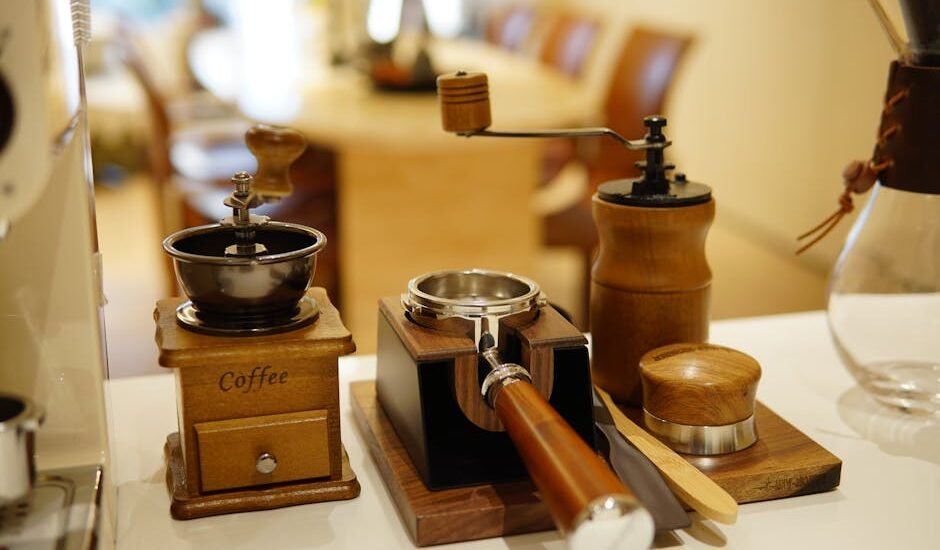
A good grinder is the single most important accessory for home baristas. Blade grinders don’t cut it—they produce uneven particle sizes that sabotage extraction. Burr grinders, especially those with conical or flat burrs in the 38–64mm range, deliver the consistency espresso and pour-over require. Look for at least 40 grind settings and stepless (infinite) adjustment if you want to fine-tune espresso. Entry-level grinders may only offer stepped adjustments and smaller burrs (38mm), which are fine for pour-over but can struggle with true espresso grind. If your budget allows, a grinder with larger burrs (50mm+) and minimal retention (under 2g) will yield more uniform results and less waste. Check current prices on top-rated home grinders to see what fits your budget and needs.
Digital Coffee Scales: Accuracy Down to a Tenth of a Gram
Precision is non-negotiable if you want repeatable results. A digital scale that measures in 0.1g increments is a must for espresso (and extremely helpful for pour-over). Most kitchen scales only measure to the nearest gram—fine for flour, useless for coffee. The best barista scales have a built-in timer, a max load of at least 2kg (so you can weigh your portafilter or brewing vessel), and a rechargeable battery. Water resistance is a bonus but not essential unless you tend to spill. Expect to pay more for scales with ultra-fast response times (0.5–1 second) and auto-tare functions. See today’s deals for models that balance speed, accuracy, and durability.
Variable Temperature Gooseneck Kettles: Control You’ll Notice
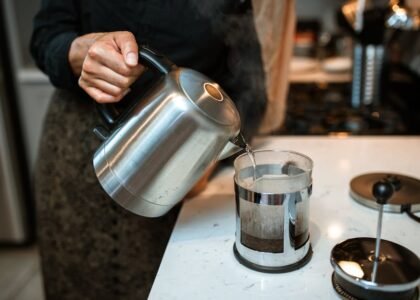
Standard kettles boil water—the best gooseneck kettles let you set any temperature between 104–212°F (40–100°C) and hold it steady for up to an hour. That’s a game-changer for pour-over, where even a 2°C swing can impact extraction and flavor clarity. The gooseneck spout gives you precise control for blooming and spiral pours. Kettle capacity varies: 600–900ml is ideal for single-cup brewing, while 1–1.2L handles batch brews. Look for models with PID temperature control for accuracy within ±1°C. Compare current options and consider your counter space and batch size before upgrading.
Espresso Distribution Tools: Smoother Pucks, Fewer Bad Shots
Channeling—uneven water flow through the puck—ruins espresso. Distribution tools, sometimes called levelers or tampers, even out grounds before tamping to reduce channeling. The best ones match your basket size (usually 58mm), offer adjustable depth, and use heavy stainless steel for a consistent result. Some tools combine distribution and tamping, but most home baristas find a dedicated tool more effective. You’ll notice more consistent shot times and less mess. If you’re chasing café-style crema and flavor, this is the $30–50 upgrade that actually delivers.
Related Guides
Portafilter Baskets and Dosing Funnels: Small Upgrades, Big Difference
Stock baskets on entry-level machines are often pressurized or oddly sized, leading to muddy shots and inconsistent results. Upgrading to a precision non-pressurized basket (measured in microns for hole size—often 300–500μm) can improve extraction and crema. Pair this with a dosing funnel that fits your portafilter (usually 58mm or 54mm) to prevent wasted grounds and messy counters. Some dosing funnels feature magnets or silicone gaskets to stay put while you fill and distribute. These are inexpensive upgrades that take the hassle out of prepping espresso at home.
Puck Screens and Shower Screens: Tidy Up Your Espresso Routine
Puck screens—thin metal mesh discs placed on top of your coffee puck—are a newer accessory that helps distribute water evenly and keep your group head cleaner. Look for screens made from stainless steel with 100–150μm mesh, sized to fit your basket. They can reduce channeling and make post-shot cleanup easier. Upgrading your machine’s stock shower screen (the part that disperses water over the puck) to a precision screen with more uniform holes (e.g., 98 holes in a 58mm diameter) can further improve extraction. These tweaks won’t transform bad coffee into good, but they do help you get the most from your machine.
Milk Frothing Pitchers and Thermometers: Latte Art at Home
If you make milk drinks, a proper frothing pitcher and thermometer are essential. Choose a pitcher size that matches your drink (12oz/350ml for cappuccinos, 20oz/600ml for lattes), with a pointed spout for better pouring control. A thermometer with a range of 32–212°F (0–100°C) and a clip for your pitcher helps you steam milk to the sweet spot—between 135–150°F (57–65°C) for most home setups. Some home baristas skip the thermometer to “learn by feel,” but consistent results are much easier with it, especially if you’re new to milk texturing.
Knock Boxes and Cleaning Brushes: Keep Your Setup Clean
Spent coffee pucks are wet, dense, and messy. A knock box—basically a sturdy bin with a rubber bar—lets you knock out pucks without damaging your portafilter or clogging your sink. Look for models with non-slip bases and at least 20oz (600ml) capacity if you make multiple drinks daily. Cleaning brushes (nylon bristles, angled handles, 6–8 inches long) help keep your group head and grinder burrs free of old grounds and oils. Regular cleaning prevents bitter flavors and extends the life of your gear.
Water Filtration and Test Kits: Don’t Ignore Your Water
Coffee is 98% water, and poor water quality will sabotage great beans and gear. Home baristas should use a simple water filter jug (removing chlorine, heavy metals, and scale-forming minerals) or install an under-sink filter with a flow rate of at least 0.5 gallons/minute. Test kits that measure hardness (ppm), alkalinity, and chlorine can help you dial in your water for better extraction and less scale. Aim for total hardness between 50–150 ppm for espresso machines. If you’re serious about flavor, this is an upgrade most people overlook.
Amazon is the simplest path when you want the newest model, Prime shipping, and a no-questions-asked return window.
Compare Options on Amazon →FAQs About the Best Home Barista Accessories
Do I really need a burr grinder for home espresso?
Yes. Blade grinders create uneven particle sizes, leading to poor extraction and bitter or sour shots. Even an entry-level burr grinder (38mm burrs, 30+ settings) will dramatically improve your espresso or pour-over compared to pre-ground or blade-ground coffee.
How accurate should my coffee scale be?
Look for a scale that measures in 0.1g increments. This level of accuracy is critical for dialing in espresso and helpful for pour-over, where small differences in dose can change extraction and flavor.
Is a gooseneck kettle worth it for pour-over?
Absolutely. A gooseneck spout offers precise control over flow rate and direction, which is essential for even extraction. Variable temperature control (within ±1°C) is a bonus if you brew different origins or styles.
What size portafilter basket should I use?
Most home machines use 58mm or 54mm baskets. Upgrading to a precision non-pressurized basket (with 300–500μm holes) improves extraction and crema. Always match your accessories (distribution tool, dosing funnel) to your basket size.
How do I know if I need a distribution tool?
If you see uneven extraction, channeling, or inconsistent shot times, a distribution tool helps even out grounds before tamping. It’s especially useful for beginners and anyone using non-commercial machines that are less forgiving.
Why does water quality matter for home espresso?
Bad water can cause scale buildup in your machine and mute coffee flavors. Filtering your water and testing for hardness (aim for 50–150 ppm) protects your gear and improves taste. Many home baristas overlook this step but notice a big difference once they upgrade.
Final Thoughts: Build Your Kit for Your Coffee Routine
You don’t need every accessory on this list to make great coffee at home—but the right upgrades will save you time, reduce frustration, and help you get closer to café-quality results. Start with a burr grinder and a digital scale, then add tools like a gooseneck kettle, distribution tool, or puck screen as your skills and interests grow. Always buy gear that matches your machine and brewing style, and avoid gadgets that solve problems you don’t have. For the best deals and a wide selection of home barista accessories, view what’s available and invest in tools that make your daily coffee better, not just more complicated.