7 min read
Disclosure: As an Amazon Associate and eBay Partner Network publisher, we earn from qualifying purchases. This doesn’t affect what we recommend or how we describe it.
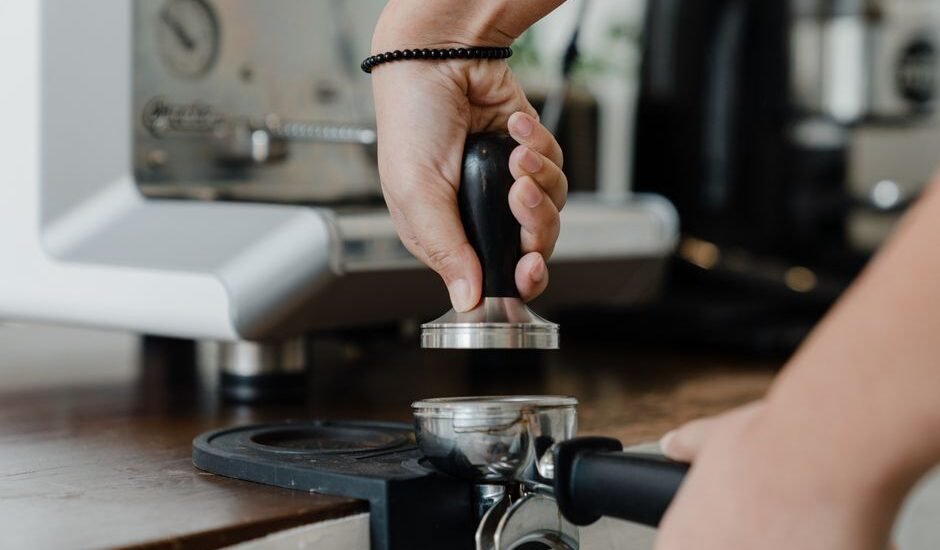
Home espresso lovers, messy kitchen avoiders, and anyone tired of their portafilter slipping mid-tamp all have a stake in choosing the best espresso tamping mat. Whether you want a clean countertop, crave consistency in your shots, or need to protect both your portafilter and your bench, the right tamping mat makes daily espresso prep smoother and more enjoyable. But not all mats are created equal—and the differences go way beyond shape or color.
Why most buying guides miss what actually matters in a tamping mat
Most lists focus on surface size or “food-safe silicone.” Those details matter, but they rarely address the frustrations you’ll encounter after a few weeks of real home use. The best espresso tamping mats solve three problems: slipping and sliding, portafilter instability, and countertop protection. A mat that checks all three boxes will make your workflow faster, neater, and less frustrating. Ignore these, and you risk sticky mats, bent baskets, or—worst of all—cracked countertops.
Let’s break down what actually changes your day-to-day experience.
- Thickness: Anything under 3mm won’t absorb impact or stay put. Mats in the 3–7mm range provide cushioning without feeling spongy.
- Grip: Look for textured undersides or corner lips that keep the mat anchored. A mat that moves is worse than none at all.
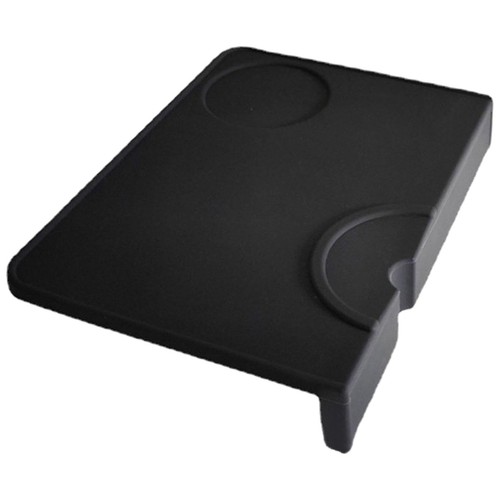
- Size and shape: L-shaped mats hang over the counter edge to protect both your bench and portafilter spouts. Flat mats maximize workspace but sacrifice spout protection.
- Portafilter slot: Some mats have a molded area or groove to cradle your portafilter, making tamping more stable—especially with bottomless baskets.
- Cleanability: Mats with deep creases or high lips can trap grounds. Smooth surfaces and dishwasher-safe materials save time.
Below, I’ll compare the most common tamping mat configurations and who each suits best.
Espresso tamping mat comparison: Which style fits your setup?
| Type | Dimensions (inches) | Thickness (mm) | Edge Lip | Portafilter Slot | Price |
|---|---|---|---|---|---|
| Flat Silicone Mat | 8 x 6 | 4 | No | No | $ |
| L-Shaped Counter Mat | 8 x 6 | 5 | Yes (1.5″) | Optional | $$ |
| Thick Overhang Mat | 9 x 7 | 7 | Yes (2″) | Yes | $$$ |
| Compact Corner Mat | 5 x 5 | 3 | Yes (1″) | No | $ |
Pricing key: $ marks the budget tier, $$ the mid-range, $$$ the premium picks. Tiers are relative to the products in this comparison; actual prices update live below.
Each configuration brings trade-offs. The L-shaped and thick overhang mats offer the most stability and bench protection, especially on slippery or delicate counters. Compact mats fit small kitchens but may let grounds escape. Flat mats are easy to tuck away but do little to protect edges or guide your portafilter. For a detailed look at which style fits your needs and budget, Compare current options.
The spec almost nobody talks about: Thickness and impact absorption
Most tamping mats claim to be “thick,” but there’s no standard. In practice, the difference between 3mm and 7mm is night and day. Thicker mats (5–7mm) absorb more force, making tamping easier on your wrists and your counter. They’re also less likely to curl or warp over time. However, ultra-thick mats can feel squishy, so avoid anything over 8mm unless you want a trampoline effect under your portafilter. If you tamp 2–3 times a day, a 5mm mat will outlast and outperform thinner options. For heavy use, See today’s deals on thick overhang mats.
Why grip is more important than “food-grade” claims
Every mat promises food-safe materials, but not all stay put. Mats with a textured or ribbed underside grip slick counters better. L-shaped mats with a hanging lip (1–2 inches) add extra friction and stability, especially on stone or laminate surfaces. If your kitchen sees a lot of spills or steam, look for mats that won’t slide when wet. The best mats also resist curling at the edges—a common failure mode with thin, budget mats after a few months of daily use.
Countertop protection: Avoiding chips and scratches
Tamping directly on granite or wood risks ugly dents, scratches, or even chipped edges—especially if you use heavy, unpadded portafilters. Mats with an overhanging lip shield the counter edge from both the portafilter and stray grounds. If you’re renting or have a high-gloss surface, this protection is worth paying for. For more on kitchen surface care, the National Kitchen & Bath Association offers countertop material guidelines.
Related Guides
- Our guide to What Is Espresso Tamping and Why Does It Matter?
- AeroPress vs French Press: Which Makes Better Espresso-Style Coffee?
- Our guide to AeroPress vs Pour Over vs Espresso: Which Brewing Method Suits You?
- Our guide to Burr vs Blade Grinders for Espresso: What’s the Real Difference?
- Our guide to Espresso Machine vs Moka Pot: What’s the Real Difference?
- Our guide to How to Adjust Espresso Machine Pressure: A Step-by-Step Guide
- Browse all Buying Guides →
Total cost of ownership
Espresso tamping mats are a low-maintenance accessory, but there are a few hidden costs and ongoing considerations you should factor in:
- Replacement frequency: Thin mats (under 4mm) often warp or tear after 1–2 years of daily use, especially if washed in a dishwasher. Thicker mats can last 3–5 years or more.
- Cleaning supplies: Mats with deep grooves or lips may need a dedicated brush or regular dishwasher cycles. Budget $5–$10 per year for cleaning supplies or increased water use.
- Accessory upgrades: Some mats don’t include a portafilter slot or tamp stand, which you may want to add later. These upgrades range from $10–$30 each.
- Countertop repair (if skimping): Skipping a mat or using a thin, curling one can lead to chipped counters—repairs run into the hundreds, far outweighing the cost of a premium mat.
For most home brewers, a quality mat is a one-time purchase, but replacing a warped or torn mat every year adds up. Spending a little more up front usually pays off by year three. To keep your setup performing and looking its best, View what’s available in high-durability mats.
FAQs: Real answers for espresso tamping mat buyers
How long does a good tamping mat last with daily use?
A thick, well-made mat (5–7mm) typically lasts 3–5 years with daily tamping and regular cleaning. Thinner mats or those exposed to extreme heat or dishwasher cycles may need replacing every 12–24 months.
Flat vs. L-shaped tamping mats — which is better for home use?
L-shaped mats with an overhanging lip offer better countertop protection and stability, especially if your portafilter has spouts. Flat mats are easier to store and clean but don’t shield the counter edge. For most home setups, the L-shape is worth the slight space trade-off.
Will any tamping mat fit all portafilters?
Most mats are designed to accommodate standard 58mm and 54mm portafilters, but if you use a smaller or unusually shaped basket, check the mat’s slot or groove width. Some compact mats may not support large, bottomless portafilters comfortably.
Are thicker mats always better for tamping?
Not always. Mats in the 5–7mm range absorb force without feeling unstable. Anything thicker than 8mm can make tamping feel spongy, which reduces control. Thin mats (under 3mm) offer little protection and tend to warp quickly.
What should I do if my tamping mat starts to curl or slip?
First, clean both the mat and your countertop thoroughly—oil or grounds can reduce grip. If the mat is thin or the edges are curling after less than a year, consider upgrading to a thicker, textured mat. Persistent curling usually means the material is degrading and replacement is needed.
Can I put my tamping mat in the dishwasher?
Most silicone mats are dishwasher-safe, but repeated high-heat cycles can cause warping or discoloration over time. Hand-washing with mild soap extends the life of your mat, especially for thick or multi-layer mats.
Verdict: Which tamping mat style is right for your home bar?
If you want maximum countertop protection and stability, an L-shaped or thick overhang mat with a portafilter slot is the top choice. Small kitchens can get by with a compact or flat mat, but expect to clean up a bit more and sacrifice edge protection. Prioritize grip and thickness over flashy looks—these two factors will impact your daily espresso workflow and how long your mat lasts. Check your counter type, portafilter size, and how much space you have before deciding. For the widest selection and the latest deals, Check current prices on the best espresso tamping mats for home use.



Last updated: June 2026 · How we cover this topic