8 min read
Disclosure: As an Amazon Associate and eBay Partner Network publisher, we earn from qualifying purchases. This doesn’t affect what we recommend or how we describe it.
Wondering why some espresso shots gush straight from the spouts, while others pour in a single, mesmerizing stream from the bottom of a cut-off portafilter? The difference between a regular and a bottomless portafilter isn’t just about looks—each changes how you pull shots, troubleshoot problems, and even the taste in your cup. Here’s what matters when choosing between these two espresso tools, and how to pick the right fit for your home setup.
Regular vs. Bottomless Portafilters: What’s Actually Different?
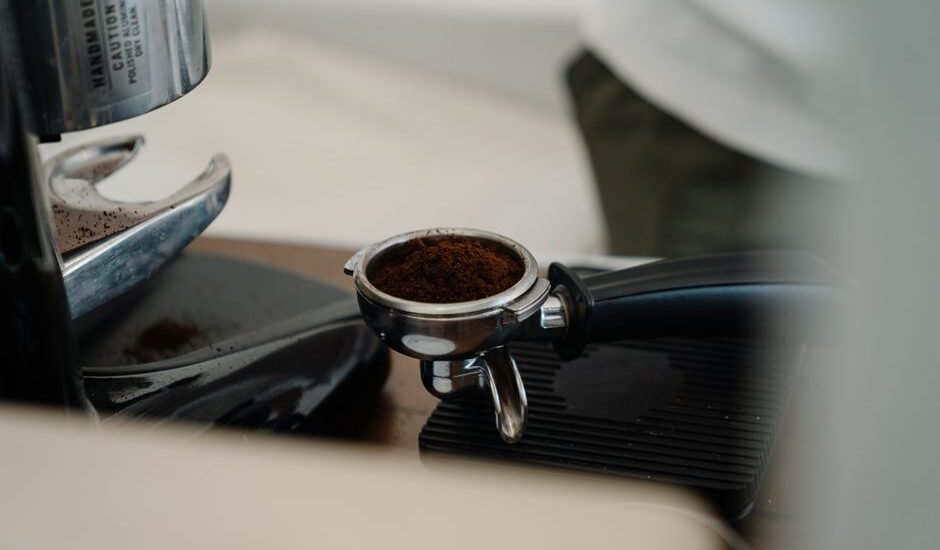
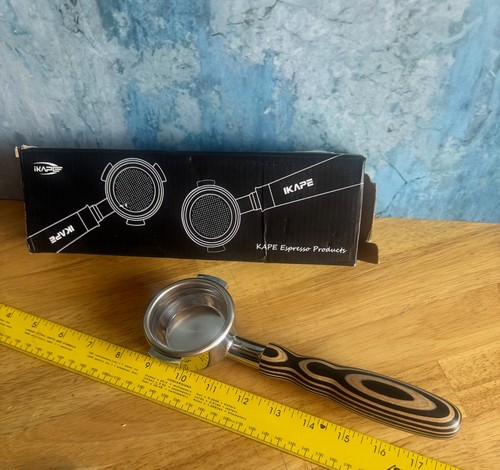
Both regular and bottomless portafilters hold your ground coffee and lock into the espresso machine, but the similarities stop there. A regular portafilter has a spouted bottom, splitting espresso into two streams—ideal for making two drinks at once or keeping your counter cleaner. A bottomless (or “naked”) portafilter exposes the entire basket, so espresso flows directly from the basket’s base in a single stream. This design reveals every detail of your extraction, good or bad.
Why does this matter? The portafilter style changes how you diagnose channeling (uneven water flow), how much crema you get, and whether you can fit taller cups or scales under your group head. For home brewers trying to improve their espresso, the choice can make the difference between guessing and knowing what’s happening in the puck.
Side-by-Side Comparison: Portafilter Types and Their Specs
| Configuration | Basket Size | Crema Production | Ease of Cleaning | Compatible Cup Height | Price |
|---|---|---|---|---|---|
| Double-Spout Regular | 14–18 g | Medium | Moderate | Up to 3.5 in (9 cm) | $$ |
| Single-Spout Regular | 7–12 g | Lower | Easy | Up to 4 in (10 cm) | $ |
| Bottomless (Naked) | 14–22 g | High | Very Easy | Up to 5 in (13 cm) | $$$ |
| Pressurized Basket Regular | 8–16 g | Artificially High | Moderate | Up to 3.5 in (9 cm) | $ |
Price: $ = budget, $$ = mid-range, $$$ = premium — relative to the options compared above. Live prices and current stock are below.
Related Guides
- Regular vs Bottomless Portafilters: What’s the Real Difference?
- Analog vs Digital Scales: What’s the Real Difference?
- Our guide to Burr vs Blade Grinders for Espresso: What’s the Real Difference?
- Our guide to Ceramic vs Stainless Steel Grinders: What’s the Real Difference?
- Coffee Maker vs. Moka Pot: What’s the Real Difference?
- Espresso Machine vs Moka Pot: What’s the Real Difference?
Why Bottomless Portafilters Reveal More Than Just the Espresso
Using a bottomless portafilter is like putting your espresso under a microscope. You see every detail of the extraction, including those telltale “jets” that signal channeling—a problem where water finds an easy path through the puck, leading to sour or bitter flavors. With a regular spouted portafilter, you only see the finished streams, so many extraction flaws stay hidden.
This transparency is why many home enthusiasts and trainers recommend bottomless portafilters for dialing in grind size and tamping technique. If you’re chasing the perfect shot, this feedback is invaluable. You’ll know instantly when you’ve nailed the prep—or when you need to adjust.
Spouted Portafilters: Practicality, Cleanliness, and Classic Workflow
Spouted portafilters win for everyday convenience. The spouts split your shot into two, letting you pull double shots into two cups or a single into one. They also direct espresso away from the basket edge, so there’s less mess if your puck prep isn’t perfect. If you’re serving guests or want to avoid splatter, spouted designs are the classic choice.
Cleanup is straightforward, though coffee oils can build up inside the spouts if not scrubbed regularly. Most home machines use 58mm or 54mm portafilters, and spouted options are widely available in both sizes. If you want to see today’s deals on spouted portafilter kits, you’ll find plenty of mid-range and budget picks.
What Home Brewers Notice Most: Taste, Crema, and Shot Consistency
The switch from regular to bottomless can change your espresso’s look and taste. Bottomless portafilters often produce a thicker, more stable crema, since nothing disturbs the flow from basket to cup. If your grind and distribution are on point, you’ll get a beautiful, honey-like stream and rich crema. But if there’s channeling, you’ll see spurts, blonding, and uneven flow—clear signs to tweak your prep.
Spouted portafilters sometimes knock off a bit of crema as the espresso hits the metal spouts. The difference isn’t dramatic for most home setups, but crema aficionados and Instagram shot artists often prefer bottomless for this reason.
Who Should (and Shouldn’t) Use a Bottomless Portafilter?
If you’re serious about improving your technique or want the most feedback, a bottomless portafilter is a powerful tool. It’s especially helpful if you’re dialing in a new grinder, experimenting with dose (the amount of coffee in grams), or troubleshooting sour or bitter shots. The trade-off is a messier workflow—any mistake can send espresso spraying in all directions.
For beginners, the learning curve is steeper. A bottomless portafilter will show every flaw in tamping or grind. If you want a forgiving, less-messy experience, a regular spouted portafilter is the easier starting point. Some home setups even allow you to swap between spouted and bottomless handles, so you can try both as your confidence grows. Compare current options to see which portafilter types fit your machine’s group head size and your workflow.
Quick decision tree
- If you’re troubleshooting uneven shots: Go bottomless for instant visual feedback.
- If you need to split a double shot into two cups: Stick with a double-spouted regular portafilter.
- If you want the most crema and don’t mind a messier workflow: Choose bottomless.
- If budget is tight: Single-spout regular portafilters are the most affordable entry point.
- If you use pre-ground coffee or pressurized baskets: Spouted portafilters work best; bottomless offers little benefit here.
FAQs: Real-World Answers About Portafilter Choices
Will a bottomless portafilter fit my espresso machine?
Most bottomless portafilters are made for standard group head sizes, typically 58mm or 54mm. Always check your machine’s specifications before buying, as even a 1mm difference can cause leaks or a poor fit. Some machines require proprietary handles, so look for compatibility charts or consult the manufacturer.
Does a bottomless portafilter really improve espresso flavor?
The portafilter itself doesn’t directly change flavor, but it exposes flaws in your puck prep. By helping you spot channeling or uneven extractions, it lets you fix issues that can lead to sour or bitter tastes. Many home brewers report more consistent, better-tasting shots after using a bottomless portafilter to fine-tune their technique.
How much messier is a bottomless portafilter compared to a regular one?
Bottomless portafilters can be significantly messier, especially when dialing in your grind or tamping technique. If water finds a channel, you’ll see (and sometimes feel) espresso spraying sideways. Regular cleaning of your drip tray and wiping the machine area is necessary, but this mess usually decreases as your prep improves.
How long does it take to get used to a bottomless portafilter?
Most home brewers need about 1–2 weeks of daily use to get comfortable with bottomless extraction. You’ll quickly learn to spot and fix channeling, but expect a learning curve—especially if you’re new to espresso. Practice and observation are key, and the feedback loop is much faster than with a spouted portafilter.
Bottomless vs. regular portafilter: Which is better for beginners?
For absolute beginners, regular spouted portafilters are more forgiving. They hide minor prep mistakes and keep your machine area cleaner. Bottomless portafilters are better for those willing to learn from visual feedback and improve their shot quality, but they can be frustrating if you’re not ready for the extra challenge.
What if my shots are spraying everywhere with a bottomless portafilter?
This usually means your puck has channeling or an uneven surface. Try distributing your grounds more evenly, using a distribution tool, and tamping level and firmly. Adjusting grind size, dose, and tamp pressure can help reduce spray. With practice, most home users see cleaner, more consistent shots within a few dozen pulls.
Are there warranty or return issues with aftermarket portafilters?
Some machine manufacturers only guarantee compatibility with their own accessories. If you buy a third-party portafilter, check the seller’s return policy and warranty terms. Most reputable sellers allow returns if the fit is off, but always confirm before purchasing. Keeping your original portafilter is wise in case you need to revert.
Why Portafilter Choice Matters for Home Espresso
The right portafilter can transform your home espresso experience, whether you’re chasing perfect crema or just want a reliable morning shot. Regular spouted portafilters offer classic workflow and a cleaner process, making them a great all-rounder for everyday use. Bottomless portafilters, meanwhile, unlock the secrets of your extraction and speed up your learning curve—at the cost of a messier counter and a bit more patience.
If you’re ready to upgrade or experiment, view what’s available for your machine size and budget. For in-depth technical guidance on espresso extraction and troubleshooting, check out the Specialty Coffee Association of Europe, which offers resources for home and professional brewers alike.
Choosing between regular and bottomless portafilters is less about right or wrong, and more about matching your priorities: feedback versus forgiveness, learning versus convenience. Whichever you pick, you’ll get more from your home espresso setup by understanding what each tool brings to the table.


Last updated: June 2026 · Our research process