8 min read
Most coffee guides tell you to store beans in the grinder hopper for convenience. The truth is, leaving beans in the hopper can make or break your flavor, workflow, and even your machine’s lifespan depending on how, what, and when you brew. This guide strips away the myths and gets specific about when you should (and shouldn’t) keep coffee beans in the hopper, how it impacts your cup, and what setups suit different home brewers best.
Leaving Beans in the Hopper: Not Always the Best Move
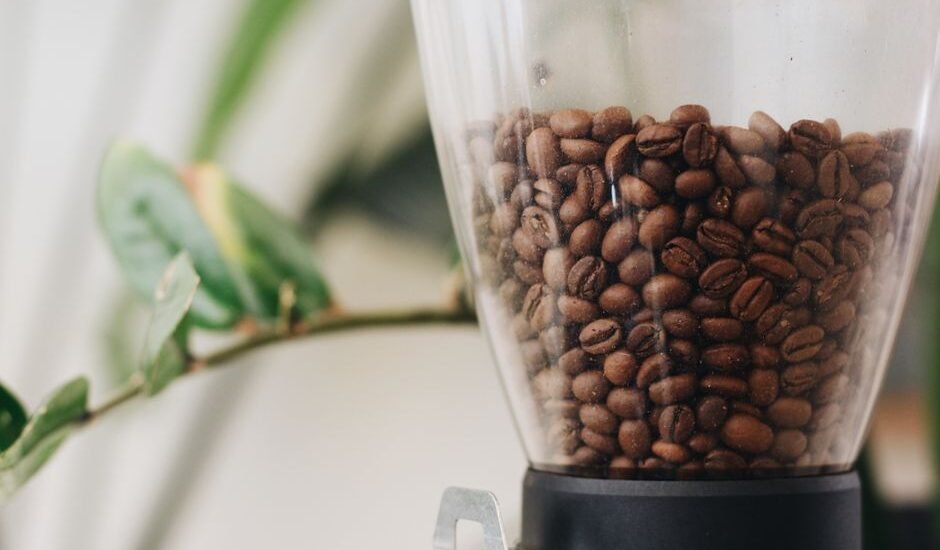
It’s easy to assume that the hopper is just another airtight container. In reality, most grinder hoppers aren’t designed for long-term storage. They’re made for short-term staging—holding beans right before grinding. Plastic hoppers, in particular, let in light and air, both of which degrade coffee freshness. Even the thickest tinted plastic rarely matches a proper vacuum canister.
Flavor loss from beans sitting in a hopper for even a day or two is real. Stale beans lead to flat, lifeless brews. If you only grind what you need each morning, you’ll get noticeably better results than filling the hopper for the week. For those who brew several times a day, some convenience is gained by pre-loading, but freshness always takes a small hit.
Comparing Hopper Setups for Home Coffee Brewers
Not all hoppers or grinder setups are created equal. Here’s how four common approaches stack up for home use, with the numbers and trade-offs spelled out:
| Configuration | Typical Hopper Capacity | Best For | Material | Freshness Impact |
|---|---|---|---|---|
| Large Batch Electric Grinder | 12–16 oz (340–450 g) | Multiple daily brews, households | Plastic or smoked plastic | Higher risk, beans stale after 2–3 days |
| Single Dose Hopper Add-on | 18–30 g (single brew) | Freshness-focused, espresso enthusiasts | Aluminum, glass, or plastic | Minimal, beans used immediately |
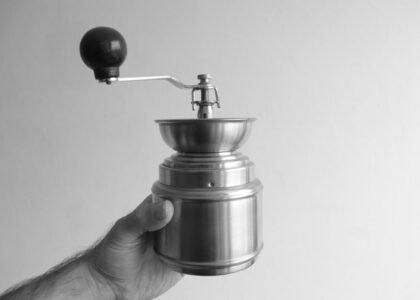
| Manual Grinder with Small Hopper | 20–40 g | Travel, single-cup brewing | Stainless steel or plastic | Minimal, single use per fill |
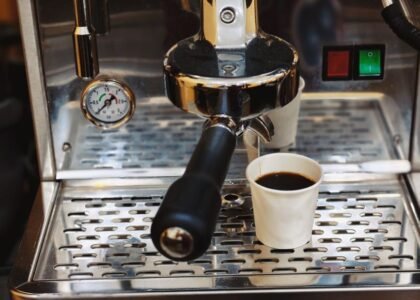
| Integrated Espresso Machine Hopper | 6–8 oz (170–225 g) | Set-and-forget convenience | Plastic, sometimes tinted | Moderate, staling after 1–2 days |
Does the Hopper Material Matter?
Plastic is the default for most home grinder hoppers, but it’s not just about durability or cost. Plastic lets in more oxygen than glass or metal and can pick up coffee oils, which sometimes affect flavor over time. Smoked or tinted plastic reduces light exposure, but not as much as you’d think—UV still sneaks in.
Glass hoppers are rare but better for short-term freshness. Some high-end single-dose upgrades use aluminum or glass to cut air and light. If you’re storing beans for more than a few hours, even the best hopper can’t compete with a dedicated vacuum-sealed container. For more on how air, light, and time impact your beans, see this industry authority on coffee freshness.
How Grinder Design Shapes Your Workflow
Single-dose grinding is gaining traction among home enthusiasts for a reason: it lets you keep beans in a sealed container until the moment you brew. This setup usually means a smaller hopper or even a bellows attachment to clear out old grounds between shots. The main draw is flavor—beans go from airtight storage to cup with minimal oxygen exposure.
Large-capacity hoppers, on the other hand, are about convenience. Fill it once, brew all week. This suits busy households, but you’ll lose some vibrancy in your coffee by day three or four. If your grinder or machine sits near a sunny window or a warm spot, staling accelerates. Some home espresso machines with integrated grinders strike a middle ground, balancing hopper size for daily use but still exposing beans to air once loaded.
Beginner’s pre-purchase checklist
- Measure your kitchen space—confirm your grinder or machine fits under any cabinets, including with the hopper attached.
- Check your typical batch size—if you only brew 1–2 cups at a time, a single-dose or small-hopper setup saves money and preserves freshness.
- Estimate how often you’ll refill—frequent top-ups keep beans fresher; if you want less hassle, look for a hopper with at least 6–8 oz capacity.
- Assess bean storage—plan to keep a separate airtight container for backup beans, not just the hopper.
- Review cleaning access—make sure the hopper removes easily for washing, as coffee oils build up quickly.
- Confirm grind adjustment style—some hoppers require removal to change grind settings, which can be a pain for frequent switchers.
Related Guides
- How to Store Fresh Coffee Beans for Maximum Flavor and Freshness
- Our guide to Automatic Drip Coffee Makers: A No-Nonsense Buyer’s Guide
- Coffee Knock Boxes That Are Actually Worth Buying
- Our guide to Coffee Server Carafes That Are Actually Worth Buying
- Conical Burr Grinders for Great Drip Coffee at Home
- Reusable Coffee Filters Worth Buying
- Browse all Coffee Essentials →
Should You Buy a Single-Dose Hopper or Stick With Standard?
Single-dose hoppers are the go-to for serious home espresso or pour-over fans. They let you weigh out exactly what you need—usually 18–30 grams—grind, and brew on the spot. No beans sit exposed to air for hours. The downside is a bit more fiddling: you’ll need to weigh each dose, and some grinders need help clearing old grounds between uses (think bellows or tapping the grinder).
Standard large hoppers suit those who value convenience and brew several cups daily. Just be aware: once beans go in, the clock is ticking on peak freshness. If you want the best of both worlds, some home grinders now offer interchangeable hoppers—swap between a large batch and a single-dose funnel.to see which setup fits your routine and budget.
Cleaning and Maintenance: The Often-Ignored Factor
Oil buildup in the hopper is more than a cosmetic issue. Coffee oils can go rancid, especially in plastic hoppers, and impart off-flavors after a week or two. Regular cleaning—at least every 1–2 weeks for daily users—keeps flavors clean and prevents jams. Most hoppers detach with a simple twist or latch, but check your manual for details.
If you switch beans often, clean the hopper and burr chamber between varieties to avoid flavor carryover. For plastic hoppers, avoid harsh detergents that can cloud the surface or leave odors. Hand wash with mild soap, dry thoroughly, and only refill when completely dry to avoid clumping.
Some grinders use anti-static materials or coatings to reduce mess. These help, but static cling is still common in dry climates or with light roasts. A quick wipe with a slightly damp cloth (never wet) can help tame static before refilling. For more grinder care tips, the Sweet Maria’s resources are a trusted reference among home roasters and brewers.
How Long Can Beans Sit in the Hopper Before Flavor Drops?
For most home grinders, beans start to lose their top notes within 24–48 hours of sitting in the hopper. That doesn’t mean your coffee will taste “bad” after two days, but the difference is clear if you taste side-by-side against beans kept in a sealed container. By day four or five, even medium-roast beans taste muted and flat. Dark roasts often show staleness faster.
If you only brew on weekends, keep your beans sealed elsewhere and single-dose into your grinder. If you’re running through a full hopper every day or two, the convenience trade-off is smaller. See today’s deals on single-dose hoppers or small-capacity grinders if you want to prioritize freshness over convenience.
FAQs: Real-World Questions About Coffee Beans in the Hopper
How long can I leave beans in my grinder hopper before they go stale?
Most coffee beans start losing peak flavor after 24–48 hours in a typical plastic hopper. By day three, you’ll notice a drop in aroma and nuance, especially with lighter roasts. For best results, only load what you’ll use in a day or two.
Single-dose vs. large hopper—what’s better for home espresso?
Single-dose setups maximize freshness and let you switch beans easily, but require weighing and a bit more effort per cup. Large hoppers are more convenient for households brewing several times daily, but beans lose flavor faster. Choose based on your priority: ultimate taste or set-and-forget ease.
Does the hopper material actually affect coffee flavor?
Yes—plastic hoppers can absorb coffee oils and odors over time, which may affect flavor if not cleaned regularly. Glass and metal resist buildup better, but are less common and usually pricier. Regardless of material, regular cleaning is key.
Are all hoppers compatible with every grinder or machine?
No, hopper shapes and attachment styles vary widely between grinder and machine types. Always check compatibility before buying an add-on or replacement hopper. Some single-dose kits require specific adapters or fit only certain models.
How often should I clean my grinder hopper?
For daily users, clean every 1–2 weeks to prevent oil buildup and off-flavors. If you switch beans frequently, a quick rinse between varieties helps avoid flavor carryover. Always dry thoroughly before refilling to prevent clumping.
What should I do if my beans are clumping or sticking in the hopper?
Clumping is often caused by static or humidity. Try wiping the hopper with a slightly damp cloth before refilling, and avoid overfilling beyond the recommended capacity (usually marked on the hopper). Some users add a single raw rice grain to absorb moisture, but this can void warranties—check your manual first. View what’s available for anti-static or improved hopper designs if static is a persistent issue.
What happens if I leave beans in the hopper for a week?
Beans left in the hopper for a week will lose aroma, flavor complexity, and can even pick up off-flavors from oils or plastic. While still drinkable, the results are flat and underwhelming. For occasional brewers, single-dosing is a better bet for taste.
Takeaways: Matching Your Hopper Setup to Your Home Routine
There’s no one-size-fits-all answer to storing coffee beans in your grinder hopper. If you want maximum flavor and don’t mind a few extra steps, single-dose setups or manual grinders with small hoppers are the way to go. For busy households that prioritize convenience, a larger hopper is fine—just accept that beans will lose a bit of their spark after a day or two. Always clean your hopper regularly, keep backup beans in a sealed container, and pick a configuration that fits your space and habits. Ready to upgrade or switch things up?on the latest hoppers and grinder accessories to find the right fit for your home coffee ritual.
Last updated: July 2026 · Our research process