
Disclosure: As an Amazon Associate and eBay Partner Network publisher, we earn from qualifying purchases. This doesn’t affect what we recommend or how we describe it.
7 min read
Grinding fresh coffee at home means dealing with stray grounds, clingy coffee dust, and the gradual buildup of oils that can turn your grinder from a precision tool into a stale-bean trap. The right cleaning brush makes all the difference—freeing up stuck grounds, keeping your burrs sharp, and preserving the flavor of every cup. Whether you’re deep-cleaning a hand grinder, dusting out a big electric burr, or just looking to maintain your gear between full clean-outs, finding the best coffee grinder cleaning brush for your setup is essential. Here’s what actually matters, what to skip, and how to choose a brush that makes regular cleaning easy instead of a dreaded chore.
Why Grinder Brushes Matter More Than You Think
Even the best coffee grinder will start to underperform if you let old grounds and oils linger. Clogged burrs can lead to inconsistent grind size, off-flavors, and even mechanical issues. A purpose-designed grinder brush can reach into crevices, dislodge stubborn particles, and help you clean efficiently without risking damage. While you can get by with a generic pastry brush or a toothbrush in a pinch, dedicated grinder brushes have features—like bristle length, shape, and stiffness—that make them especially effective for home coffee gear. For more detail, see Specialty Coffee Association homepage.
If you want the newest model, free returns, and quick shipping, Amazon is the easiest place to compare.
See on Amazon →What Sets a Great Grinder Cleaning Brush Apart?
Not all brushes are created equal. The best grinder cleaning brushes have:
- Bristle stiffness that’s firm enough to dislodge caked-on grounds, but not so hard that they’ll scratch plastic or metal burrs.
- Bristle length between 1.2″ and 2.5″ (3 to 6.5 cm) for reaching into grinder chutes and burr teeth without being unwieldy.
- Handle length that gives you leverage—ideally 4″ to 7″ (10 to 18 cm)—without being awkward to maneuver inside small grinders.
- Material choices that match your needs: natural fibers (like boar or horsehair) tend to hold up well and don’t create static, while synthetic nylon can be more durable and easier to wash.
Look for a brush that fits your specific grinder: large electric burrs need longer, wider brushes; compact hand grinders do best with slender, nimble brushes. For more detail, see U.S. Consumer Product Safety Commission home safety guides.
Comparing Four Top Coffee Grinder Cleaning Brushes
| Brush | Bristle Material | Bristle Length | Handle Length | Best For | Price Range |
|---|---|---|---|---|---|
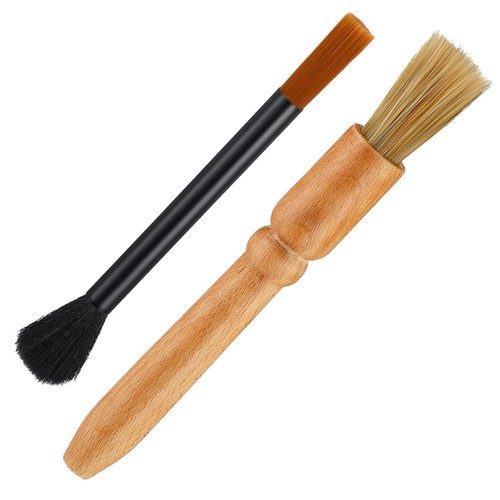
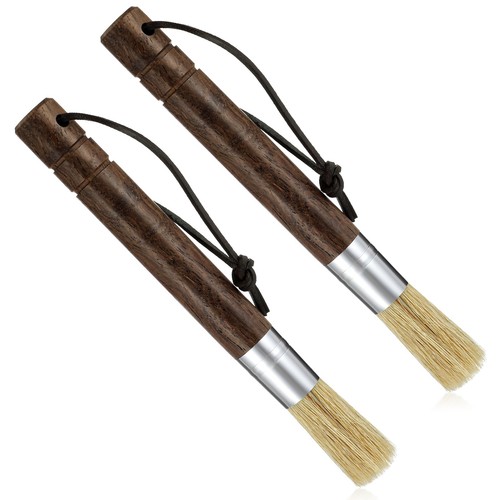
| Classic Natural Fiber Grinder Brush | Boar Hair | 2.0″ (5 cm) | 6.5″ (16.5 cm) | Large electric burr grinders; heavy buildup | $$ |
| Compact Nylon Coffee Brush | Nylon | 1.25″ (3.2 cm) | 4.5″ (11.5 cm) | Hand grinders; tight spots | $ |
| Dual-End Detail Brush | Horsehair + Nylon | 2.3″ (5.8 cm) + 0.75″ (1.9 cm) | 7.0″ (18 cm) | Multi-use; espresso machines & burrs | $$$ |
| Angled Precision Grinder Brush | Synthetic | 1.5″ (3.8 cm) | 5.5″ (14 cm) | Conical burrs; angled reach | $$ |
Each brush offers a different blend of reach, cleaning power, and usability. Some are better for deep, infrequent cleanings; others shine as daily maintenance tools. Compare current options to see which suits your grinder and cleaning routine.
How to Match a Brush to Your Grinder Type
Choose a cleaning brush that fits your grinder’s design and your cleaning habits. Here’s what works best for different setups:
- Electric burr grinders: Go for a longer-handled brush (at least 6″ or 15 cm) with medium-stiff bristles to sweep out chute and burrs. A wider head covers more area and speeds up cleaning.
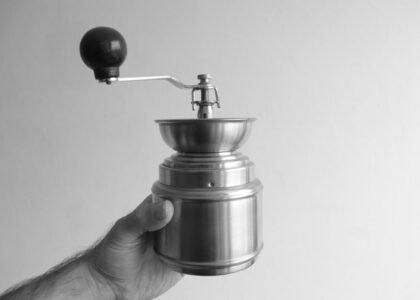
- Hand grinders: A compact brush (under 5″ or 12.5 cm) with a slim profile fits inside the grind chamber and around the burrs. Look for soft bristles to avoid damaging plastic parts.
- Espresso grinders: Precision detail brushes, especially dual-ended ones, help reach the nooks around doser mechanisms and narrow chutes.
Don’t be tempted by oversized, generic “kitchen” brushes—they rarely fit well and often leave fine grounds behind.
Why Bristle Material and Stiffness Change Your Results
Bristle material affects both cleaning effectiveness and longevity. Here’s how the most common options stack up:
- Natural fibers (boar, horsehair): Hold up to repeated use, don’t generate static, and are gentle on burrs. They wear out a little faster if used wet or on oily buildup.
- Nylon: More durable, can be rinsed clean, but may generate static that causes grounds to cling. Good for heavy-duty cleaning, but avoid very stiff nylon on delicate parts.
- Synthetic blends: Offer a balance—resistant to wear and often static-neutral, but quality varies widely. Look for bristles that flex without splaying.
For most home brewers, a medium-stiff natural fiber brush handles routine cleaning without scratching metal or plastic parts. If you clean your grinder infrequently or deal with oily dark roasts, a slightly stiffer synthetic brush might help break up stubborn buildup.
Related Guides
How Often Should You Brush Out Your Grinder?
Light cleaning with a brush should happen at least once a week for daily users—more often if you brew oily dark roasts or switch between beans. Deep cleaning (disassembling burrs and brushing every nook) is best done monthly, or whenever you notice flavor changes or grind retention. A quick brush-out after every bag of beans keeps your grinder running smoothly and your coffee tasting fresh.
Brush Maintenance: Keeping Your Tools Clean
A good grinder brush lasts for years with basic care. Here’s how to keep yours in top condition:
- Tap out loose grounds after every use—don’t leave coffee residue in the bristles.
- Wash natural fiber brushes with mild soap and water only rarely; let them dry thoroughly before next use.
- Nylon and synthetic brushes can be washed more often, but avoid harsh cleaners.
- Replace your brush if the bristles become permanently bent, frayed, or greasy-feeling.
Investing in a quality brush pays off over time. Check current prices and consider picking up a backup if you clean multiple grinders or want a dedicated brush for oily beans.
What to Avoid: Common Grinder Brush Mistakes
Several pitfalls trip up new home brewers:
- Using a brush that’s too stiff: This can scratch burrs or plastic housings, especially on hand grinders.
- Brushing while the grinder is plugged in: Always unplug electric grinders before cleaning to avoid injury or accidental activation.
- Neglecting corners and chutes: Grounds hide in hard-to-see crevices—use a detail brush for a thorough job.
- Over-wetting natural bristles: This can cause them to clump or rot. Stick to dry brushing unless you’re doing a rare full clean.
The right brush makes cleaning intuitive and safe. See today’s deals to find options tailored for home coffee gear—not just generic kitchen brushes.
If you want the newest model, free returns, and quick shipping, Amazon is the easiest place to compare.
Compare Options on Amazon →FAQs: Coffee Grinder Cleaning Brushes
How often should I replace my grinder cleaning brush?
Most brushes last 1–3 years with regular use. Replace yours if the bristles become frayed, lose stiffness, or start to smell even after cleaning.
Can I use my grinder brush for other coffee equipment?
Yes, many grinder brushes work well for cleaning espresso machine nooks, portafilters, or even drip brewer baskets. Just avoid cross-contaminating oily buildup from one tool to another.
Is it safe to use a metal brush on my grinder burrs?
No—metal brushes are too harsh and can scratch or pit burrs, reducing grind consistency. Stick to natural or nylon bristles.
Do I need a separate brush for oily beans?
If you regularly grind oily dark roasts, consider a dedicated brush. Oils can gum up bristles and transfer flavors to lighter roasts.
What’s the best way to clean under grinder burrs?
Disassemble the burrs according to your grinder’s instructions, then use a detail brush to reach tight corners. A dual-end brush with a small tip helps here.
Can I just use an old toothbrush instead of a grinder brush?
A toothbrush works in a pinch, but the bristles are often too soft and too short to clean out chutes and burr teeth effectively. A purpose-made grinder brush is faster and safer.
Final Thoughts: The Small Tool That Makes a Big Difference
Choosing the best coffee grinder cleaning brush isn’t glamorous, but it’s one of the most cost-effective ways to protect your gear and keep your coffee tasting its best. Look for a brush that matches your grinder’s size, your cleaning habits, and your preferred roast style. Even a modest investment can save you time, extend your grinder’s life, and help you enjoy fresher, more consistent brews every day. Ready to upgrade your cleaning game? View what’s available and keep your coffee routine running smoothly.