Disclosure: As an Amazon Associate, we earn from qualifying purchases. This doesn’t affect what we recommend or how we describe it.
7 min read
Switching to a reusable coffee filter is one of the simplest ways to upgrade your daily brew while cutting down on waste and long-term costs. Whether you’re tired of buying endless packs of paper filters, want to reduce your environmental footprint, or just want more control over your cup, the right reusable filter can make a noticeable difference. But not all reusable filters are created equal—materials, mesh size, fit, and cleaning ease all play a role in how your coffee tastes and how easy your mornings are. This guide breaks down the real-world differences, so you can confidently choose the best reusable coffee filter for your setup.
Comparing Top-Rated Reusable Coffee Filters: Specs and Features Side-by-Side
| Filter Type | Compatible Brew Methods | Material | Mesh Pore Size | Capacity | Cleaning Method | Notable Pros | Potential Cons |
|---|---|---|---|---|---|---|---|
| Stainless Steel Cone | Drip cone (V60, 6-10 cup) | 304 Stainless Steel | 100–150 microns | 1–4 cups (300–800 ml) | Dishwasher safe, hand rinse | Durable, no paper taste, fine mesh for clean cup | Can clog with very fine grinds, slight sediment |
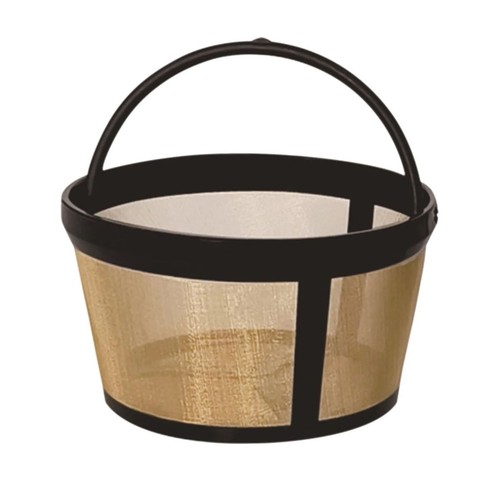
| Gold-Tone Basket | Flat-bottom drip machines | Gold-plated stainless steel | 150–200 microns | 8–12 cups (1.0–1.8 L) | Dishwasher safe, easy brush-out | Long-lasting, resists odor/staining | Doesn’t fit cone brewers; initial cost higher |
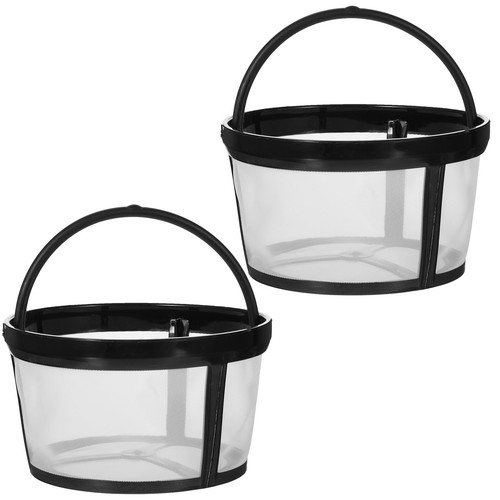
| Nylon Mesh Disk | Single-cup immersion, travel presses | BPA-free Nylon | 40–60 microns | 1 cup (200–350 ml) | Quick rinse or top-rack dishwasher | Ultra-fine mesh, lightweight, travel-friendly | Not as durable as metal, may stain over time |
| Cloth Sock Filter | Pourover, Chemex-style, cold brew | Organic cotton/hemp | 30–50 microns (variable weave) | 2–8 cups (400–1200 ml) | Hand wash, boil to deep clean | Minimal sediment, highlights clarity, compostable | Needs drying, can retain flavors, wears out |
Need it this week? Amazon’s selection of new units is hard to beat for shipping speed.
View on Amazon →How Filter Material Impacts Flavor and Longevity
Material isn’t just about durability—it changes the way your coffee tastes. Stainless steel mesh (usually 304 or 316 grade) lets more oils through, giving you a heavier body and richer mouthfeel. Mesh pore size matters: a 100-micron mesh blocks most fines but lets oils and some micro-particles pass. Gold-plated filters resist corrosion and staining, and some claim a “neutral” flavor, but the cup profile is nearly identical to standard steel.
Nylon mesh (often 40–60 microns) produces a cleaner cup, closer to paper, but may wear out faster—expect 1–2 years with daily use. Cloth filters (cotton or hemp) produce the cleanest cup of all, but they require more care and have a lifespan of 3–12 months depending on cleaning.
Finding the Best Fit: Compatibility with Your Coffee Maker
Reusable filters aren’t one-size-fits-all. Cone-shaped steel filters typically fit 1–4 cup V60-style brewers or 6–10 cup carafes, but the angle (usually 60° for V60 and 45° for Melitta) matters. Flat-bottom gold-tone baskets are designed for classic drip machines—always check the diameter (usually 4–5 inches/100–130 mm) and height. Nylon discs and cloth socks come in a range of sizes; measure your brewer’s basket or carafe opening before buying.
Some reusable filters come with a sizing chart or universal fit claims, but always verify actual measurements. A poor fit can lead to grounds in your cup or water bypassing the filter entirely.
Cleaning and Maintenance: What’s Actually Easy?
Steel and gold-tone filters are typically dishwasher safe, but regular hand rinsing under running water prevents clogging and oil buildup. For a deep clean, soak in a 1:4 vinegar-water solution or use a soft brush every week or so. Nylon mesh should be rinsed immediately after brewing to prevent staining; for stubborn residue, a soak in warm soapy water helps. Cloth filters require the most care: rinse thoroughly, store dry (never sealed wet), and boil every few weeks to remove oils. Plan for a replacement every few months if you brew daily.
For a balance of convenience and cup quality, stainless steel cone filters are the easiest to keep clean and long-lasting. Cloth and nylon options demand a bit more effort but reward you with a crisper cup.
Related Guides
- How to Season a New Coffee Grinder: A Step-By-Step Guide
- What Is a Coffee Knockout Box and Why Do You Need One?
- Coffee Knock Boxes That Are Actually Worth Buying
- How Do New Coffee Drinks Become Standard Menu Items?
- Coffee Grinder Cleaning Brushes That Actually Work
- Browse all Buying Guides →
- Our guide to Reusable Coffee Filters for Chemex: Which Ones Are Worth It?
What to Expect in Your Cup: Sediment, Oils, and Flavor Nuance
No reusable filter will give you the exact clarity of a bleached paper filter. Steel and gold-tone mesh let through more coffee oils and some fine particles, resulting in a fuller-bodied cup with a bit of sediment—think French press, but far less gritty. Nylon and cloth filters come closest to paper’s clean profile, especially if their pore size is under 50 microns. If you’re sensitive to sludge or want maximum clarity, look for the finest mesh available, or consider a cloth sock filter for your pour-over or Chemex-style brewer.
Environmental Impact and Long-Term Value
The math is simple: a steel or gold-tone filter can last 3–5 years (or more) if cared for, replacing hundreds of paper filters. Nylon mesh offers 1–2 years before the mesh loses integrity. Cloth filters are compostable at end of life, but need replacing every few months. Even factoring in water and cleaning, the waste reduction is substantial. Over three years, a $15–$25 filter can replace $60–$120 worth of paper filters, depending on your brew frequency.
When to Upgrade: Signs Your Filter Needs Replacing
Watch for fraying, mesh tears, or persistent clogging—these mean your filter’s at the end of its useful life. Steel filters can warp if dropped or exposed to extreme heat; nylon mesh can sag or discolor permanently; cloth filters may develop off-flavors or mold if not dried thoroughly. Don’t try to stretch a filter that’s past its prime—your coffee (and your health) will thank you.
Affiliate Picks: Where to Find the Best Reusable Coffee Filters
Ready to make the switch? Here are some vetted sources for high-quality reusable filters that fit most home brewers. Check current prices for stainless steel cone filters, See today’s deals on gold-tone basket filters, or Compare current options for cloth and nylon mesh filters. Always double-check compatibility with your specific brewer before purchasing.
Need it this week? Amazon’s selection of new units is hard to beat for shipping speed.
Compare Options on Amazon →FAQs: Real Answers About Reusable Coffee Filters
Does a reusable coffee filter change the flavor of my brew?
Yes. Metal mesh filters allow more oils and micro-fines into your cup, giving a fuller body and richer mouthfeel compared to paper. Nylon and cloth offer a cleaner cup, closer to paper but never quite as crisp. If you’re chasing maximum clarity, a fine mesh cloth filter is your best bet.
How often do I need to replace a reusable coffee filter?
Stainless steel and gold-tone filters typically last 3–5 years with regular cleaning. Nylon mesh lasts 1–2 years, while cloth filters need replacing every 3–12 months, depending on use and care. Replace sooner if you notice tears, persistent clogging, or off-flavors.
Will a reusable filter fit my coffee maker?
Most reusable filters are designed for standard cone or basket sizes, but there’s no true universal option. Measure your brew basket’s diameter and depth, and check the product’s listed dimensions before buying. Some filters come with adapters or sizing guides for a better fit.
Are reusable filters difficult to clean?
Steel and gold-tone filters are the easiest—just rinse after each use and deep-clean weekly. Nylon mesh requires immediate rinsing to prevent staining. Cloth filters need the most attention: rinse well, dry thoroughly, and boil occasionally to keep them fresh. Letting any filter sit wet leads to odors and mold.
Can I use a reusable filter for cold brew?
Yes—cloth sock filters and some fine mesh steel baskets work well for cold brew, as long as the mesh size is under 100 microns to minimize sediment. Nylon mesh discs also work for single-cup immersion cold brew. Expect a little more sediment than with paper, but the results are still smooth and flavorful.
Is switching to a reusable filter actually eco-friendly?
Over time, yes. A single steel or gold-tone filter replaces hundreds of paper filters, saving trees and reducing packaging waste. Nylon and cloth options also cut down on disposable waste. Factor in the energy and water used for cleaning, but the overall footprint is much lower—especially if you compost your coffee grounds.
Making the Switch: Final Thoughts on Choosing the Best Reusable Coffee Filter
Choosing the right reusable filter comes down to your priorities: cup clarity, brew method, maintenance, and fit. Stainless steel mesh offers a balance of durability and rich flavor, gold-tone adds longevity, cloth gives you the cleanest cup, and nylon is a lightweight, travel-friendly pick. Measure your brewer, think about your cleaning habits, and don’t be afraid to try a couple of styles to dial in your ideal cup. For most home brewers, investing in a well-made reusable filter is a smart, sustainable upgrade that pays off with every pour.