Disclosure: As an Amazon Associate, we earn from qualifying purchases. This doesn’t affect what we recommend or how we describe it.
7 min read
Getting café-style lattes at home hinges on smooth, creamy milk foam—and the right milk frother makes all the difference. Whether you’re tired of thin, bubbly foam or want to upgrade from a basic whisk, finding the best milk frother for lattes can transform your morning routine. But with dozens of options—handheld, electric, steam wand attachments—sorting the worthwhile from the gimmicky isn’t easy. Here’s what actually matters, which features affect your latte, and how to choose a frother that fits your budget and kitchen style.
What Makes a Frother Great for Lattes—Not Just Any Coffee
Latte foam is a different beast from cappuccino or hot chocolate froth. For lattes, you want microfoam: milk steamed to a silky, glossy texture, with tiny bubbles and enough body to blend smoothly into espresso. The best milk frothers for lattes can consistently produce this texture, not just airy foam or scalded milk.
- Temperature control: Lattes taste best with milk frothed to 140–150°F (60–65°C). Too hot, and you risk burnt flavors; too cool, and the texture falls flat. Good electric frothers let you pick a temperature or stop automatically within this range.
- Froth quality: Look for a frother that can make microfoam with fine bubbles—think glossy paint, not stiff meringue. Some electric pitchers and steam wand attachments manage this, but few handheld whisks do.
- Capacity: A single latte uses about 6–8 oz (180–240 ml) of milk. Make sure your frother can handle at least this much per batch without overflowing or underperforming.
- Ease of cleaning: Daily use means you want a frother that doesn’t require a toothbrush and 10 minutes to clean. Removable whisks or dishwasher-safe pitchers are a big plus.
If you want the newest model, free returns, and quick shipping, Amazon is the easiest place to compare.
See on Amazon →Side-by-Side Comparison: Four Top Milk Frothers for Home Lattes
| Frother Type | Froth Texture | Temperature Control | Capacity (oz/ml) | Cleaning Ease | Price Range |
|---|---|---|---|---|---|
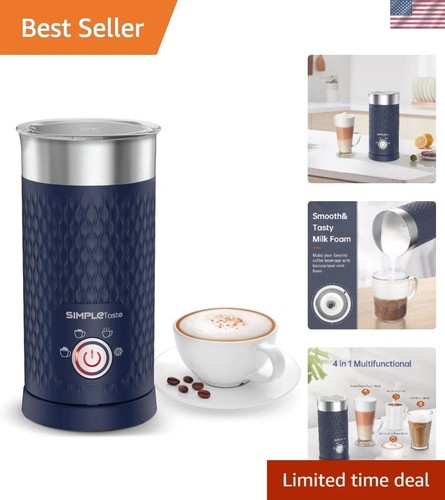
| Electric Pitcher | Microfoam, fine bubbles | Selectable 120–160°F (49–71°C) | 8.5 oz / 250 ml | Removable, dishwasher-safe jug | $$$ |
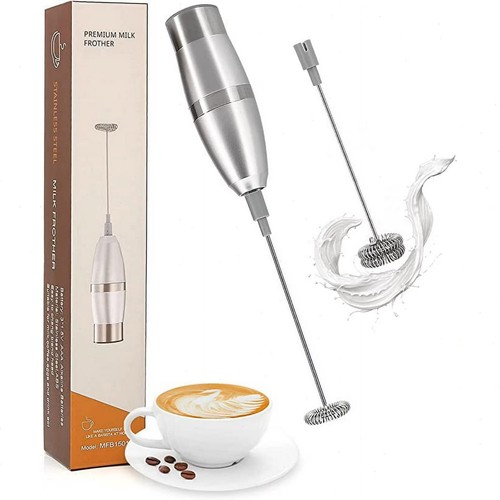
| Handheld Battery Whisk | Light, airy foam | No control (ambient temp milk) | 10 oz / 300 ml (in your own mug) | Rinse whisk under tap | $ |
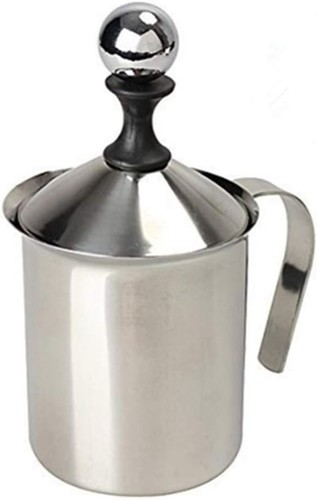
| Manual Pump Frother | Dense, somewhat uneven foam | Stovetop or microwave (manual heating) | 12 oz / 350 ml | All parts dishwasher-safe | $$ |
| Espresso Machine Steam Wand Attachment | Professional-grade microfoam | Manual control, up to 160°F+ (71°C+) | Depends on pitcher; typically 12 oz / 350 ml | Wipe wand, clean pitcher | $$$$ |
For most home latte lovers, an electric pitcher frother strikes the best balance of foam quality, ease, and price. Steam wand attachments deliver the ultimate microfoam, but require practice and a compatible espresso machine. Handheld whisks are cheap, but can’t match the texture needed for true lattes.
Why Microfoam Matters More Than Froth Volume
It’s tempting to judge a frother by how much milk it can whip into a cloud. But for lattes, volume isn’t the goal—texture is. Microfoam blends seamlessly with espresso, giving lattes their signature silky mouthfeel. Frothers that make stiff peaks or big bubbly foam (common with battery whisks and some manual pumps) won’t deliver that café-style result. The best milk frothers for lattes can stretch and texture milk so the bubbles are tiny and almost invisible, not just “foamy.”
How Milk Choice Changes Your Latte Foam
Whole milk is the gold standard for lattes, producing the smoothest, richest foam. But not all frothers handle alternatives the same way. If you use oat, almond, or soy milk, choose a frother with a reputation for handling plant-based milks—some electric pitchers even have a dedicated setting for non-dairy. For example, oat milk froths best at 140°F (60°C), while soy can curdle at higher temps. Check the specs or user reviews before buying, especially if you stick to non-dairy drinks.
Electric Frothers vs. Handheld Whisks: What’s Worth Paying For?
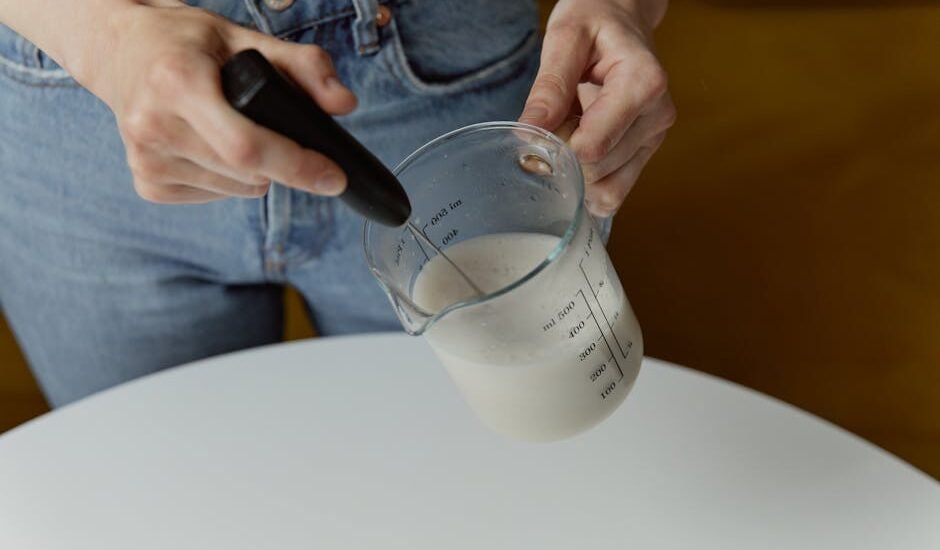
Handheld whisks are cheap and quick, but they can’t heat milk or create true microfoam. You’ll get a bubbly head that quickly dissipates or floats on top of your coffee. Electric frothers, especially those with induction heating and magnetic whisks, can heat and froth at the same time, producing the glossy, pourable foam lattes need. Most models let you select a temperature (often in 10°F increments) and stop automatically when your milk is ready. If you want consistency and real latte texture, invest in an electric pitcher frother. Check current prices
What to Look for in a Steam Wand Attachment
If you already own an espresso machine, upgrading to a better steam wand or adding a dedicated wand attachment can be a game-changer. Look for:
- Pressure: True microfoam needs at least 1–1.5 bars of steam pressure for consistent stretching and texturing. Home machines rarely exceed 2 bars, but even 1 bar can work with practice.
- Tip design: Single or double-hole tips are easier for beginners. Four-hole tips give more power, but require fast hands to avoid overheating.
- Pitcher compatibility: A 12 oz (350 ml) stainless pitcher is ideal for home lattes. Too large, and you’ll waste milk; too small, and you can’t properly swirl the foam.
Steam wands have a learning curve, but once you master them, you’ll get the closest to café-style lattes at home. Compare current options
Manual Pump Frothers: Budget-Friendly, But With Limits
Manual pump frothers—think of a French press dedicated to milk—are cheap, durable, and don’t need batteries or outlets. You heat milk separately (microwave or stovetop) and then pump the plunger for about 20–30 seconds. They can create thick foam, but it’s rarely as fine as electric frothers or steam wands. Still, for under $30, they’re a solid pick for beginners or occasional latte drinkers. See today’s deals
If you want the newest model, free returns, and quick shipping, Amazon is the easiest place to compare.
Compare Options on Amazon →6 Real-World FAQs About Milk Frothers for Lattes
Can a handheld whisk frother make real latte microfoam?
Handheld whisks can create foam, but not true microfoam. The bubbles are larger and the texture is more like a cappuccino or macchiato than a silky latte. You’ll get better results with an electric pitcher or steam wand.
How much milk should I froth for a single latte?
Use 6–8 oz (180–240 ml) of milk for a standard home latte. Most frothers have a max fill line—don’t exceed it, as milk expands when frothed and can overflow.
What’s the ideal milk temperature for lattes?
The sweet spot is 140–150°F (60–65°C). Higher temperatures can scald milk, while cooler milk won’t integrate well with espresso. Most electric frothers hit this range automatically.
Can I froth non-dairy milk for lattes?
Yes, but results vary. Oat milk and barista-style almond milks froth best. Some frothers have a dedicated non-dairy setting, which keeps temperatures lower to avoid curdling.
How do I clean an electric milk frother?
Most electric pitcher frothers have a removable jug—rinse it immediately after use, or pop it in the dishwasher if allowed. Wipe the whisk and lid. Avoid submerging anything with electrical components.
Is it worth paying extra for an automatic frother with temperature settings?
If you drink lattes daily or care about consistent results, yes. Automatic temperature control means no guesswork and less risk of burnt milk. Manual methods work, but require more attention and practice.
Final Thoughts: Which Milk Frother Should You Choose for Lattes?
The best milk frother for lattes depends on your priorities. If you want hands-off, consistent results, an electric pitcher frother with adjustable temperature is the easiest path to café-style lattes. For the absolute best texture (and if you like a challenge), a steam wand attachment can’t be beat—but it does require some skill. Manual pump frothers are a solid entry point for budget seekers, while handheld whisks work in a pinch but won’t deliver true latte foam. No matter your choice, matching your frother to your milk and cleaning it promptly will keep your lattes tasting great for years. View what’s available
Related Guides
- How to Calibrate a Coffee Scale: A Step-by-Step Guide
- Our guide to Espresso Machine vs Moka Pot: What’s the Real Difference?
- Choosing the Right Grinder for French Press Coffee
- How to Find the Right Replacement Parts for Your Burr Grinder
- Our guide to Flat Burrs vs Conical Burrs: Which Grinder Type Is Best for Home Brewing?
- Browse all Buying Guides →
- How to Froth Milk Without a Steamer: Easy Methods for Home Brewers