9 min read
Disclosure: As an Amazon Associate and eBay Partner Network publisher, we earn from qualifying purchases. This doesn’t affect what we recommend or how we describe it.
Pressure is one of the most misunderstood variables in home espresso. You might see “15 bars” stamped on a box and wonder if higher must be better, or find conflicting advice about what pressure actually produces the best espresso at home. The reality is more nuanced: the ideal pressure for espresso machines is not just about a number, but about how consistently your machine can deliver it, and how that pressure interacts with your grind, dose, and tamp. Whether you’re shopping for your first machine or dialing in your technique, understanding the real-world impact of pressure will help you make better espresso at home—without falling for marketing hype.
Comparing Espresso Machine Pressures: What Do You Really Get?
| Machine Type | Advertised Pressure (Bars) | Actual Brew Pressure (Bars) | Pressure Control | Water Reservoir | Price |
|---|---|---|---|---|---|
| Entry-Level Pump Machine | 15-20 | 8-10 (in practice) | Fixed | 1.2 L | $ |
| Single Boiler with OPV | 15 | 9 (adjustable via OPV) | Manual (OPV) | 2 L | $$ |
| Dual Boiler Prosumer | 9-10 | 9 (very stable) | PID/Electronic | 2.5 L | $$$ |
| Manual Lever Machine | N/A (user generated) | 6-10 (user dependent) | Manual (by hand) | 1.8 L | $$$ |
Price: $ = budget, $$ = mid-range, $$$ = premium — relative to the options compared above. Live prices and current stock are below.
Why 9 Bars Became the Espresso Standard
Most home espresso machines brag about “15 bars of pressure,” but the number that matters is the pressure at the coffee puck during extraction—ideally, 9 bars. This pressure standard comes from commercial espresso’s roots, where 9 bars (about 130 psi) proved to be the sweet spot for extracting rich, balanced espresso with good crema. Too little pressure results in weak, under-extracted shots; too much can lead to bitterness and channeling.
Many entry-level machines advertise higher pump pressures (15, even 20 bars). This is a marketing number: it refers to the maximum output of the pump, not the pressure delivered to the coffee. Most budget machines use a cheap vibratory pump that can technically hit 15 bars, but the system rarely delivers more than 8-10 bars at the puck. Some models include an over-pressure valve (OPV) to regulate this down to the ideal 9 bars. In mid-range and premium machines, 9-bar brewing is standard, often with the ability to fine-tune or even program pressure profiles if you want to experiment.
For most home brewers, a machine that reliably delivers 9 bars at the puck is the goal. This doesn’t require the most expensive gear, but it does mean looking past marketing numbers and checking if the machine has an OPV or stable pressure regulation.
How a 9-Bar Espresso Machine Changes Your Shots
Consistent 9-bar pressure makes it easier to dial in your grind and dose, and helps you avoid the frustration of bitter, thin, or unpredictable shots. Here’s how:
- Crema: 9 bars is optimal for producing stable crema. Higher pressures can create foamy, unstable crema that dissipates quickly.
- Flavor Balance: At 9 bars, extraction is efficient—bitters and acids are balanced, sweetness comes through, and you’re less likely to get harsh over-extraction.
- Consistency: Machines with stable 9-bar pressure are less prone to channeling or uneven extraction, making it easier to repeat good results.
- Grind Flexibility: With stable pressure, you have a wider range of grind size and dose that will work for espresso, especially if your grinder isn’t top-tier.
Upgrading to a machine with true 9-bar performance isn’t just for enthusiasts. Even beginners will notice the difference in taste and reliability. See today’s deals on 9-bar espresso machines to find options that fit your budget.
Why Some Machines Advertise 15 or 20 Bars—And Why It Doesn’t Matter
Manufacturers know bigger numbers sell. “15 bars” or “20 bars” sounds impressive, but it’s a distraction. The pump might reach those numbers in a closed system, but with coffee in the portafilter, resistance goes up and real brew pressure drops. For espresso, you want 9 bars at the puck, not at the pump outlet or in a lab test.
Some budget machines skip the OPV (over-pressure valve) to save costs, so the brew pressure can fluctuate wildly. This makes it harder to get good results, especially with lighter roasts or finer grinds. If you’re shopping for a new machine, check for real 9-bar capability or an adjustable OPV. This will make far more difference to your espresso than a 15-bar sticker ever could. Compare current options to see which models offer true pressure control.
Manual Lever Machines: The Wild Card of Espresso Pressure
Manual lever machines put pressure control in your hands—literally. Instead of a pump, you generate pressure by pulling or pressing a lever. Most home lever machines can reach between 6 and 10 bars, depending on your technique and strength. This offers a unique opportunity to experiment with pressure profiling: starting low, ramping up, and tapering off, which can bring out different flavors in your coffee.
Lever machines have a learning curve, but they’re rewarding for enthusiasts who want to experiment. For most home brewers, though, a pump-driven machine with a stable 9-bar output provides an easier path to repeatable good espresso. Still, if you’re curious about pressure profiling and want to experiment with manual control, lever machines can be an option worth researching. View what’s available if you want to explore this classic method.
Related Guides
- How to Adjust Espresso Machine Pressure: A Step-by-Step Guide
- Espresso Machine Water Filters That Are Actually Worth Using
- AeroPress vs French Press: Which Makes Better Espresso-Style Coffee?
- The Best Espresso Machines for Home Use, Reviewed
- Burr vs Blade Grinders for Espresso: What’s the Real Difference?
- Browse all Espresso & Milk →
What Happens If You Brew Espresso Above or Below 9 Bars?
Brewing at higher than 9 bars (say, 11-13 bars) can force water through the puck too aggressively. This often leads to over-extraction, increased bitterness, and excessive channeling—where water finds a path of least resistance and extracts unevenly. Conversely, brewing below 9 bars (5-7 bars) can under-extract the coffee, resulting in thin, sour, or weak-tasting espresso. Some specialty recipes deliberately use lower pressures for lighter roasts, but for most home setups, sticking close to 9 bars delivers the best balance of body, flavor, and crema.
How to Check and Adjust Your Espresso Machine’s Pressure
Few entry-level machines let you adjust brew pressure out of the box. If your machine has an OPV (over-pressure valve), you can often adjust it with a screwdriver—consult your manual for details. Some enthusiast machines offer digital control or pressure gauges for real-time feedback. For others, you can measure pressure using a “blind” portafilter and a pressure gauge (sold as an accessory), but this can be fiddly. If your shots taste consistently bitter, thin, or hard to dial in, pressure might be the culprit—especially if your machine lacks an OPV or has inconsistent flow.
Pressure and Espresso Grind: Why They Go Hand in Hand
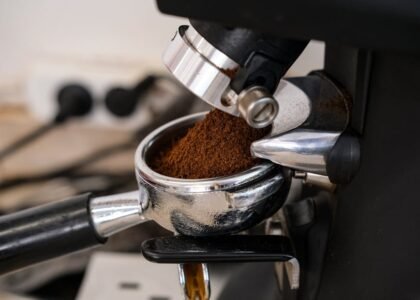
Pressure isn’t the only key to good espresso—your grinder and grind size matter just as much. If your machine delivers stable 9 bars but your grind is too coarse, shots will gush and under-extract. Too fine, and you risk choking the machine or over-extracting. Aim for a grind size that lets you pull a 25-35 second shot with 9 bars of pressure and yields 1:2 brew ratio (e.g., 18g in, 36g out). The right pressure makes dialing in your grind more forgiving, but no machine can compensate for a poor grinder.
FAQs: Espresso Pressure Demystified
Is higher pressure always better for espresso?
No. While more pressure sounds impressive, espresso extraction is best at around 9 bars. Higher pressure can cause bitterness and channeling, while lower pressure can produce weak or sour shots. Stability and consistency matter more than maximum pressure.
Why do so many machines list 15 or 20 bars?
These numbers are marketing hype—they refer to the pump’s maximum capability, not real brewing conditions. What matters is the pressure at the coffee puck during extraction. Most home machines extract best at 9 bars, regardless of what’s printed on the box.
Can I adjust the pressure on my home espresso machine?
It depends on the model. Some mid-range and premium machines include an adjustable over-pressure valve (OPV) or digital controls. Entry-level machines usually have fixed pressure, but some can be modified if you’re handy. Always check your manual and warranty before attempting adjustments.
What happens if my machine doesn’t have an OPV?
Without an OPV, pressure can spike above 9 bars, leading to inconsistent shots. You might notice more channeling or bitterness. If your machine lacks an OPV, consider upgrading to a model with pressure regulation, or look for retrofit kits compatible with your unit.
Is 9 bars the best pressure for all types of coffee beans?
9 bars is a great starting point for most espresso blends and medium roasts. Some lighter roasts or specialty recipes may benefit from lower pressures (6-8 bars) to highlight delicate flavors, but this requires a machine capable of pressure profiling. For everyday use, 9 bars is the safest bet.
How can I tell if my machine is actually brewing at 9 bars?
Some machines have a built-in gauge showing brew pressure. For those without, you can use a portafilter pressure gauge (sold as an accessory) to check real pressure at the puck. Taste is also a clue—consistent, balanced shots with good crema usually indicate proper pressure.
Does water temperature interact with pressure for espresso quality?
Yes. While pressure is crucial, water temperature also plays a major role in extraction. Most machines are set to 195–205°F (90–96°C) for optimal results. If your machine can’t maintain stable temperature and pressure, shot quality will suffer regardless of pressure settings.
Can a budget-friendly machine deliver true 9-bar performance?
Some budget-friendly machines can deliver close to 9 bars, especially if equipped with a basic OPV. However, pressure stability may not match that of mid-range or premium options. Reading user feedback on consistency and checking for pressure regulation features will help identify the best affordable choice.
What to Look for When Buying: Pressure Features That Matter
When shopping for a new espresso machine, don’t get distracted by maximum pressure claims. Instead, look for:
- OPV or Adjustable Pressure: Machines with an over-pressure valve (OPV) can be set to 9 bars for optimal extraction.
- Pressure Gauge: Some models include a brew pressure gauge, so you can see what’s happening in real time.
- Stable Pump: Vibratory pumps are common in entry-level machines; rotary pumps in higher-end models offer even more stability, but cost more.
- Consistent Shot Quality: Read user reviews or test in person if possible—machines with stable pressure will pull repeatable, balanced shots without much fuss.
Ready to upgrade your espresso setup? Check current prices on machines that deliver true 9-bar performance and leave the marketing hype behind.
The Bottom Line: Don’t Chase Big Numbers—Chase Consistency
The best pressure for home espresso is 9 bars—simple as that. Ignore 15-bar or 20-bar claims on the box; they don’t reflect what happens in your cup. Focus on machines that deliver stable, adjustable 9-bar pressure at the puck, and you’ll get better, more consistent espresso, no matter your skill level. Combine that with a good grinder and fresh beans, and you’re set for café-quality shots at home—without the guesswork.
Last updated: May 2026 · Our editorial approach