7 min read
Disclosure: As an Amazon Associate and eBay Partner Network publisher, we earn from qualifying purchases. This doesn’t affect what we recommend or how we describe it.
Choosing between an espresso machine and a moka pot comes down to more than just price or countertop space—these two brewing tools deliver very different experiences, flavors, and daily routines. Whether you’re after café-style shots or a strong morning cup without the fuss, understanding how each works (and what you actually get in the cup) makes all the difference. Here’s a hands-on breakdown of what sets espresso machines and moka pots apart—so you can confidently pick the right tool for your taste, budget, and lifestyle.
Espresso Machine vs Moka Pot: Side-by-Side Comparison
| Tool Type | Price | Pressure | Water Capacity | Brewing Time | Ease of Use |
|---|---|---|---|---|---|
| Manual Espresso Machine | $$$ | 9 bars | 1.5–2.5 oz per shot | 3–5 min | Challenging |
| Semi-Automatic Espresso Machine | $$$ | 9–15 bars | 1.5–12 oz (with reservoir) | 2–4 min | Moderate |
| Electric Moka Pot | $$ | 1.5 bars | 6–12 oz | 5–7 min | Easy |
| Stovetop Moka Pot | $ | 1–2 bars | 3–12 oz | 4–6 min | Easy |
$ / $$ / $$$ indicates budget / mid-range / premium relative to the picks above. Check live listings further down for current prices.
What Sets Espresso Machines Apart—And Why It Matters
Espresso machines are all about pressure. True espresso requires at least 9 bars of pressure to force hot water through fine coffee grounds in under 30 seconds. This produces that signature layer of crema—those golden bubbles that signal a well-extracted shot. Manual lever machines let you control every variable, but take serious skill and practice. Semi-automatic machines automate the water flow and pressure, making consistent results much more achievable for home users.
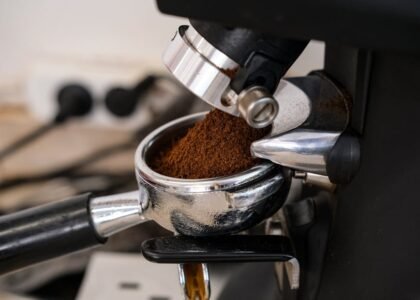
With most home espresso machines, you get a built-in pump (often 9–15 bars, but only 9 bars are needed for actual brewing), a portafilter that holds 16–20 grams of finely ground coffee for a double shot, and a water reservoir ranging from 24 to 60 ounces. You’ll need a burr grinder that can deliver a fine, even grind—expect to dial in settings down to tenths of a millimeter for best results. Temperature stability is crucial: the ideal extraction temperature is 195–205°F (90–96°C), and good machines hold within a 2°F margin.
All this means a higher price tag (usually starting in the mid-hundreds and climbing fast), more parts to clean, and a steeper learning curve. But the payoff is a concentrated, syrupy shot with crema, ready to drink straight or form the base for drinks like cappuccinos and lattes. If you want to explore the nuances of single origin beans and experiment with every variable, espresso machines are the way to go. Compare current options
How a Moka Pot Brews Strong Coffee—Without True Espresso
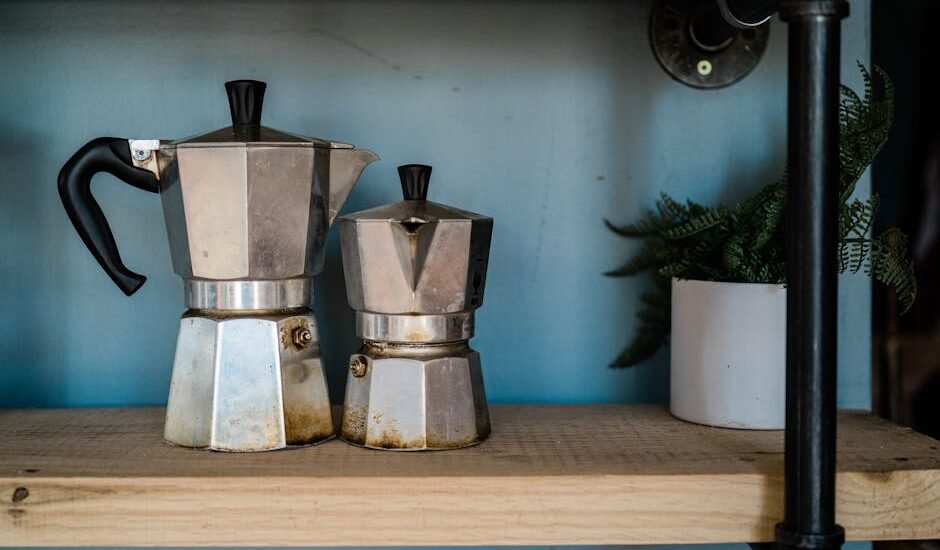
Moka pots, often called “stovetop espresso makers,” don’t actually make espresso by definition. They use steam pressure (about 1 to 2 bars—far below an espresso machine’s 9 bars) to push hot water through coffee grounds. The result is a rich, bold brew with more body than drip coffee, but less intensity and crema than espresso.
Stovetop moka pots are simple: fill the bottom chamber with water (up to the safety valve—usually 6–12 ounces for a standard size), add medium-fine ground coffee to the filter basket (but don’t tamp), assemble, and heat on the stove. Brewing takes around 4–6 minutes. Electric moka pots automate the heating and shutoff, making the process even easier and more consistent.
Cleanup is minimal—just rinse and dry the parts. No pump, no electronics, and no need for a super-fine grind or expensive grinder. For fans of strong, Italian-style coffee who want something richer than drip but less fussy than espresso, moka pots are hard to beat. See today’s deals
Flavor and Texture: What You Actually Taste in the Cup
Espresso from a machine gives you a thick, syrupy shot with crema and a complex, layered flavor. You’ll taste more of the coffee’s origin—bright acidity, deep sweetness, or even subtle floral notes—depending on the beans and your dialing-in skills. Moka pot coffee is intense, but not as concentrated. It’s oilier, with a heavier mouthfeel and a more rustic, chocolatey flavor profile. You won’t get crema, and the cup can sometimes taste a bit more bitter or muddy if brewed too hot or too long.
For milk drinks, espresso holds up better—its intensity cuts through steamed milk for cappuccinos or lattes. Moka pot coffee can be used in similar drinks, but expect a mellower, less punchy result. Some home baristas even dilute moka pot coffee with hot water to make a faux Americano.
Related Guides
- How to Adjust Espresso Machine Pressure: A Step-by-Step Guide
- Espresso Machine Water Filters That Are Actually Worth Using
- Burr vs Blade Grinders for Espresso: What’s the Real Difference?
- How to Remove Coffee Stains From Your Machine: A Simple Guide
- How Is Crema Formed in Espresso? The Science Behind the Signature Foam
- What’s the Ideal Pressure Setting for Espresso Machines?
- Browse all Equipment Comparisons →
- Coffee Maker vs. Moka Pot: What’s the Real Difference?
Which Is Easier to Use and Clean?
Moka pots win for simplicity: fill, assemble, heat, pour. There’s no learning curve, and you don’t need to fuss with grind size as much as espresso. Cleaning is fast—just rinse and dry. Espresso machines require more steps: dosing, tamping, locking in the portafilter, pulling the shot, and then cleaning both the portafilter and group head after every use. Descaling and backflushing are regular maintenance tasks, especially with hard water. Expect to spend at least 5–10 minutes per session on prep and cleanup with most home machines.
If you want fast, strong coffee with minimal effort, the moka pot is the clear winner. If you enjoy the ritual and don’t mind the extra work, an espresso machine is more rewarding in the long run. Check current prices
Durability, Maintenance, and What Breaks Down First
Stovetop moka pots are nearly indestructible—aluminum or stainless steel, with a few rubber gaskets that may need replacing every 1–2 years. There are no electronics to fail. Electric moka pots add a heating element, which can eventually burn out, but these are still generally reliable for several years if used and cleaned properly.
Espresso machines have more parts that can break: pumps, solenoid valves, heating elements, and electronic controls. Regular descaling and maintenance are critical, especially in areas with hard water. Parts like group head gaskets typically last 6–12 months with daily use. Most semi-automatics have replaceable parts, but repairs can be expensive outside the warranty period. Always check what’s covered and how easy it is to get replacement parts for your chosen style.
Who Should Use Each Tool?
- Espresso machine: Home enthusiasts who want to experiment, enjoy café-style drinks, and don’t mind the learning curve or higher cost.
- Moka pot: Anyone who likes strong coffee, wants a low-maintenance option, or has limited space and budget.
Still not sure? Consider how much time you want to spend making coffee each day, and whether you care more about ultimate flavor or convenience.
FAQs: Espresso Machine vs Moka Pot
Does a moka pot make real espresso?
No—espresso requires at least 9 bars of pressure, while moka pots produce only 1–2 bars. The result is strong, rich coffee, but without the crema or intensity of true espresso. You can read more about the definition of espresso from the Wikipedia entry on espresso.
How much time does it take to brew with each method?
Espresso machines take 2–5 minutes for prep, pulling the shot, and cleanup. Moka pots need around 4–7 minutes from start to finish, but require less attention and cleanup time. Electric moka pots are slightly slower, but more hands-off.
Which tool is better for making lattes and cappuccinos?
Espresso machines are the gold standard for milk-based drinks—their concentrated shots blend perfectly with steamed milk. Moka pot coffee can be used for homemade lattes or cappuccinos, but the flavor will be less intense and the milk may overpower the coffee.
What’s the typical lifespan of a moka pot vs an espresso machine?
Stovetop moka pots can last decades with basic care; the only part that usually needs replacement is the rubber gasket every 1–2 years. Espresso machines, depending on build quality and maintenance, typically last 5–10 years, but require periodic replacement of gaskets, pumps, and other parts.
Is it harder to find replacement parts for moka pots or espresso machines?
Moka pot parts (mainly gaskets and filters) are widely available and inexpensive. Espresso machines can be trickier—some use proprietary parts, and repairs often require a specialist. Always check parts availability before buying, especially for older or less common machine types.
Espresso machine vs moka pot: which is more cost-effective for daily use?
Moka pots are more budget-friendly up front and over time—no electricity (for stovetop types), no costly repairs, and no need for a high-end grinder. Espresso machines have higher upfront and ongoing costs, but may be worth it if you value the café experience and drink espresso-based beverages daily.
Final Thoughts: Which Should You Choose?
If you crave café-style espresso and don’t mind investing time and money, an espresso machine delivers the most authentic shots and versatility. You’ll need to master grind size, tamping, and extraction—but the results can be spectacular. For most home coffee drinkers who want strong, rich coffee without the fuss, a moka pot offers unbeatable value, durability, and ease of use. Both tools have a place in a coffee lover’s kitchen—it all comes down to your taste, routine, and how much you want to tinker. View what’s available
For more on brewing methods and coffee science, check out the Specialty Coffee Association—their resources can help you get the best from any home setup.
Last updated: May 2026 · How we cover this topic