8 min read
Disclosure: As an Amazon Associate and eBay Partner Network publisher, we earn from qualifying purchases. This doesn’t affect what we recommend or how we describe it.
Espresso distribution tools appeal to two main types of home coffee drinkers: those chasing café-level consistency in every shot, and those frustrated by uneven extractions or channeling with their current setup. If you’re after richer, more balanced espresso or just tired of unpredictable results, learning how to use a distribution tool can make a real difference—without requiring professional barista skills or a commercial machine.
What most buying guides get wrong about espresso distribution tools
Most articles gloss over the real reason home espresso can taste weak, sour, or bitter: uneven grounds in the portafilter. Clumping, air pockets, and inconsistent density all cause water to ‘channel’ through the puck, leaving some coffee under-extracted and some overdone. No matter how good your grinder or fresh your beans, that unevenness kills flavor and crema.
Distribution tools—sometimes called levelers or puck rakes—aim to solve this. But not all tools work the same way, and technique matters as much as tool design. Here’s what you need to know before you buy, and how to actually use one to get repeatable, delicious espresso at home.
Types of espresso distribution tools and how they compare
Distribution tools fall into a few main categories, each with different strengths. Here’s a side-by-side look at the most common types, with real specs and what they mean for home use:
| Tool Type | Leveling Mechanism | Adjustable Depth | Diameter Options | Weight |
|---|---|---|---|---|
| Three-Blade Leveler | Rotating, angled blades | Yes (0-12 mm) | 51mm, 53mm, 58mm | 350-500g |
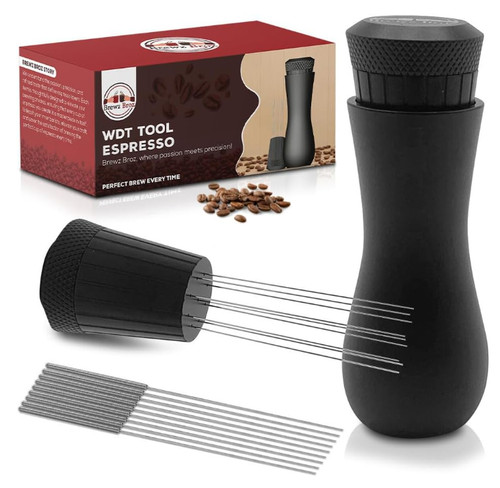
| Needle Distributor (WDT) | Multiple thin needles | No | Universal fit | 30-100g |
| Dual-Head Leveler/Tamper Combo | Flat/disc + tamper | Yes (3-10 mm) | 53mm, 58mm | 400-600g |
| Single-Disc Leveler | Flat, spinning disc | Yes (up to 10 mm) | 51mm, 58mm | 200-350g |
Why distribution matters more than you think
Even a perfectly dialed-in grinder can leave clumps and uneven density. Water, under pressure, will always find the path of least resistance—so any air pockets or dense spots in your puck cause uneven extraction. This isn’t just a pro-barista problem; it’s why you might get thin crema or sour notes at home even with fresh beans.
Distribution tools help by evening out the grounds before tamping, reducing channeling and improving consistency. The right technique can make a bigger difference than upgrading your machine or grinder—especially if you’re already using a decent burr grinder and fresh beans. For a deep dive into espresso extraction science, see the Home-Barista community, which covers real-world home results in detail.
Step-by-step: Using an espresso distribution tool for better shots
There’s more to it than just spinning a tool on your basket. Here’s a practical, repeatable workflow that works for nearly any home setup:
-
Grind fresh into your portafilter.
- Use a scale for 16-20g doses (for a standard double basket). Aim for even distribution as you fill.
- If using a needle distributor (WDT), gently stir the grounds in a circular motion for 10-15 seconds. This breaks up clumps and distributes fines evenly.
-
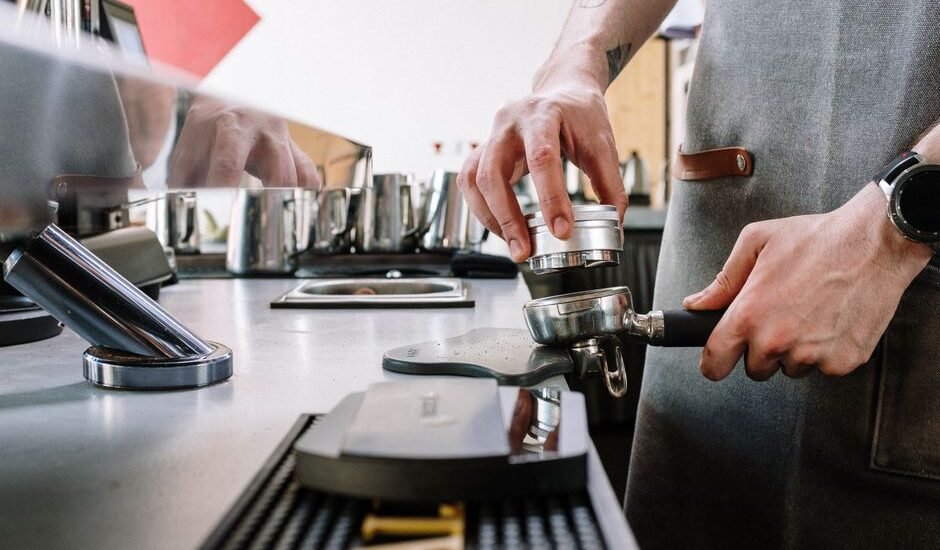
Place your leveler or disc on the basket.
- Adjust the depth if your tool allows—start with 4-6mm for most baskets. Too deep can compact the puck; too shallow won’t level the surface.
-
Spin the tool 2-4 times clockwise.
- Don’t use force; let the tool’s weight do the work. The goal is a flat, even surface with no mounds or valleys.
-
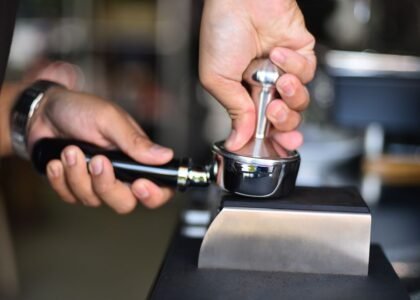
Remove the tool and tamp as usual.
- If your tool combines leveling and tamping, flip and tamp with 30 pounds (13-15kg) of pressure. Consistency matters more than brute force.
-
Brew immediately.
- Don’t let the puck sit for long—moisture and air can cause channeling if left for more than a minute.
With practice, this entire process takes less than 45 seconds per shot. For a new tool, start with a few test runs to dial in depth and technique—taste is your best guide.
The spec almost nobody talks about: Diameter fit and edge tolerance
Most home baristas overlook how critical a snug fit is between your tool and portafilter basket. Too loose, and grounds get pushed to the edge, creating a rim of uneven density. Too tight, and the tool can jam, damaging the basket or causing messy spills.
Look for a tool with a diameter tolerance within 0.2-0.5mm of your basket’s inner diameter. For example, most standard baskets are 58mm, but some are 58.4mm or 53mm—measure yours before buying. Universal-fit needle distributors get around this, but levelers and discs need to match closely for best results.
Want to see what’s available in your exact size? Compare current options for basket-matched distribution tools.
Related Guides
- Our guide to How to Use an Espresso Distribution Tool: A Step-by-Step Guide
- Manual Espresso Levers That Are Actually Worth Buying
- Our guide to Compact Espresso Machines for Small Kitchens and Home Setups
- Our guide to Espresso Machines for Home Use, Reviewed
- Our guide to Stovetop Espresso Makers, Reviewed and Ranked
- Our guide to AeroPress vs French Press: Which Makes Better Espresso-Style Coffee?
Common mistakes and how to avoid them
Home espresso setups are full of pitfalls. Here’s where most people go wrong with distribution tools—and how to get it right:
- Overfilling the basket: Too much coffee makes it impossible for the tool to level properly. Stick to your basket’s recommended dose—usually stamped on the underside.
- Spinning too hard or too many times: Aggressive spinning compacts the grounds unevenly, making tamping less effective. Two to four gentle rotations are enough.
- Skipping the WDT step with clumpy grinders: If your grinder leaves visible clumps, use a needle distributor before leveling. This is especially true for lower-end burr grinders.
- Poor tamping after distribution: Even distribution won’t help if your tamp is uneven or off-center. Invest in a good tamper and focus on consistency.
- Neglecting tool cleanliness: Old grounds stuck to the blades or needles can cause sticking and off-flavors. Rinse or wipe after every session.
Ready to upgrade your workflow? See today’s deals on distribution tools that match your basket size and brewing routine.
Total cost of ownership
The price tag on a distribution tool is only part of the story. Here’s what to factor in for the real cost over a year:
- Replacement needles (for WDT tools): Fine needles can bend or dull. Expect to replace a full set ($5-10) every 6-12 months with daily use.
- Cleaning supplies: A soft brush or microfiber cloth ($5-15/year) keeps tools free of old grounds and oils.
- Accessory upgrades: Some levelers require compatible tampers, adding $20-40 if you switch sizes or styles.
- Portafilter basket wear: Aggressive or ill-fitting tools can warp baskets over time. Plan for a new basket ($10-20) every 1-2 years if you notice fit issues.
- Time investment: Mastering a new tool and workflow can add 1-2 minutes per shot at first, though this drops with practice.
Factoring in these costs avoids surprises down the line—and helps you choose the right tool for your budget and routine.
FAQs about espresso distribution tool use, fit, and maintenance
How deep should I set my espresso distribution tool?
Adjust the depth so the blades or disc just skim the surface of the grounds—typically 4-6mm deep for most double baskets. Too deep can compress the puck unevenly and cause channeling. Start shallow and adjust by taste and shot consistency.
Do I need both a needle distributor and a leveler?
For clumpy grinders or light roasts, combining a needle distributor (WDT) with a leveler gives the best results. If your grinder produces fluffy, clump-free grounds, a leveler alone is often enough. Try both methods to see which improves your extraction and flavor more.
How long does a typical distribution tool last?
Solid metal levelers and disc tools can last 5-10 years with basic care. Needle distributors may need new needles every 6-12 months, depending on use and material quality. Regular cleaning helps all tools last longer and perform better.
Can I use a distribution tool with pressurized portafilter baskets?
Most distribution tools are designed for standard non-pressurized baskets. They can work with pressurized baskets, but the impact on shot quality is less noticeable. If you upgrade your machine or basket, check compatibility to avoid fit issues.
Leveler vs needle distributor—which is better for home use?
Needle distributors (WDT) are best for breaking up clumps and improving evenness with less expensive grinders. Levelers create a perfectly flat surface and are faster for daily use. Many home brewers use both: WDT for prep, leveler for finishing.
What should I look for when buying a distribution tool online?
Check the diameter (51mm, 53mm, or 58mm are most common), adjustable depth, and weight. Look for tools with stainless steel or anodized aluminum construction for durability. Confirm return policies in case the tool doesn’t fit your portafilter basket.
Curious about which tool fits your setup and style? View what’s available for the latest designs and sizes matched to home espresso machines.
Where to learn more and see advanced techniques
For in-depth guides, community-tested workflows, and troubleshooting, the r/espresso forum is a goldmine of real-world advice from home users. You’ll find step-by-step videos, side-by-side comparisons, and tips for getting the most out of any espresso gear. Start with their beginner guides for a solid foundation, then experiment to see what works best for your routine.



Last updated: June 2026 · Our research process