8 min read
Disclosure: As an Amazon Associate and eBay Partner Network publisher, we earn from qualifying purchases. This doesn’t affect what we recommend or how we describe it.
Most espresso machine owners hear “descale regularly” and assume it’s a once-in-a-while chore with little impact. The reality is more nuanced: how often—and how well—you descale depends on your water, machine type, and what you want out of your coffee. Skip it, and you’ll notice weaker pressure, odd flavors, or even breakdowns far sooner than you think. Get it right, and your machine lasts longer, your shots improve, and you avoid costly repairs. Here’s what actually matters when descaling an espresso machine at home, from the best methods to the details most guides miss.
Why scale builds up—and why most guides oversimplify
Scale is mostly calcium carbonate and magnesium salts from your tap water. These minerals settle out when water is heated, lining your espresso machine’s boiler, pipes, and valves. Guides often act like all machines and water are the same, but the rate of scale buildup can vary wildly. Hard water (over 7 grains per gallon or 120 mg/L CaCO₃) can clog a home espresso machine in as little as 2-3 months, while soft water might let you go 6-12 months between descales.
Neglecting scale doesn’t just slow your shot times. It can wreck heating elements, reduce steam power, or even void your warranty. But aggressive or improper descaling can also damage seals and metal parts—especially in machines with aluminum boilers or thermoblocks. The trick is matching your process and frequency to your setup. The US Geological Survey offers a simple water hardness map if you’re not sure what you’re dealing with.
Comparing descaling approaches: which method fits your machine and routine?
| Approach | Typical Use Case | Descaling Solution Type | Cycle Time (minutes) | Machine Compatibility |
|---|---|---|---|---|
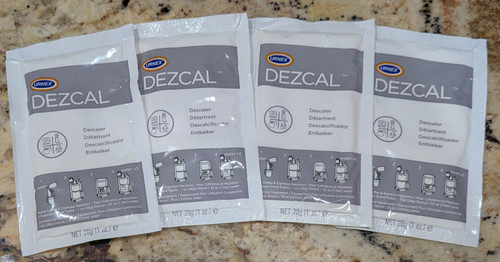
| Chemical Descaler Packet | Routine home maintenance | Citrate-based powder, 25–40g per liter | 30–45 | All home espresso machines |
| Vinegar Solution | Emergency/DIY option | 5% acetic acid, 1:1 with water | 45–60 | Not for aluminum boilers |
| Citric Acid DIY Mix | Budget-conscious, frequent use | 10–20g citric acid per liter | 30–40 | Most machines; check manual |
| Professional Service Flush | Annual deep clean or repair | Commercial-grade solution, 50g/L | 60–90 | Prosumer, plumbed-in models |
How to descale an espresso machine—step-by-step guide
- Read your machine’s manual for warnings. Some manufacturers recommend only specific descaling products or methods, especially for aluminum or heat-exchange boilers.
- Empty and rinse the water reservoir. Fill it with the correct ratio of descaling solution (e.g., 25–40g powder or 10–20g citric acid per liter of water, or as directed by your product).
- Run the solution through the brew head. Start a brew cycle, letting the descaler flow through the machine for 20–30 seconds, then stop and let it sit for 5–10 minutes to break up deposits.
- Repeat cycles until the reservoir is nearly empty. Alternate between running solution through the group head and steam wand (if you have one), pausing between each cycle.
- Flush thoroughly with clean water. Rinse the reservoir, fill with fresh water, and run at least two full tanks through all paths (brew head and steam wand) to remove any residual descaler.
- Inspect for remaining scale or odors. If you notice lingering taste or visible scale, repeat the rinse or descale process as needed.
The spec almost nobody talks about: water chemistry and its impact
Most home coffee guides gloss over water chemistry, but it’s the number one factor in how often you need to descale. Hardness above 120 mg/L CaCO₃ means you should descale every 2–3 months; below 60 mg/L, you might get away with 6–12 months. If you use filtered or bottled water, check the mineral content—some bottled “spring” waters are as hard as tap. A cheap water hardness test strip (usually $5–10 for a pack) takes 30 seconds and gives you a much clearer maintenance schedule.
For those chasing the perfect shot, using water that’s too soft (below 40 mg/L) can cause corrosion and flat-tasting espresso, while too hard leads to rapid scale. The Specialty Coffee Association recommends a target range of 50–175 mg/L total hardness for optimal flavor and machine health, but you’ll need to balance taste with maintenance.
Related Guides
- Our guide to Espresso Machine vs Moka Pot: What’s the Real Difference?
- Our guide to Espresso Machine Water Filters That Are Actually Worth Using
- Espresso Shot Glasses for Your Machine: What to Look For
- How to Adjust Espresso Machine Pressure: A Step-by-Step Guide
- How to Backflush an Espresso Machine: A Step-by-Step Guide
- Our guide to Manual Espresso Levers That Are Actually Worth Buying
- Browse all Gear Maintenance →
Beginner’s pre-purchase checklist
- Check your tap water hardness with a test strip—write down the mg/L or grains per gallon result before buying a descaler.
- Verify your espresso machine’s boiler or thermoblock material (stainless, brass, or aluminum)—some solutions can corrode aluminum.
- Measure your reservoir’s capacity in liters or ounces so you mix the correct amount of solution.
- Read your machine’s warranty terms—some brands void coverage if you use non-approved descalers.
- Confirm whether your model has a removable water tank and accessible group head for easier cleaning.
- Plan where you’ll dispose of used descaling fluid safely—some solutions shouldn’t go down the drain depending on local regulations.
- Check if your machine has a descale indicator or requires manual tracking—set a reminder based on your water’s hardness.
What most buying guides get wrong about descaling frequency
The advice “descale every three months” fits almost no one. The real answer depends on your water source, how often you use your machine, and whether you steam milk (which accelerates buildup). Someone pulling four shots a day with hard water needs to descale monthly. A weekend espresso drinker with soft water might need it only twice a year. If your machine has a descale light or timer, treat it as a starting point—not gospel. Actual mineral buildup can vary by 2–3x between households.
Tracking shot count or using a calendar reminder based on your personal usage is far more reliable. If you see white crusts on the steam wand or inside the water tank, or if your machine starts sputtering or slowing down, it’s time—even if the light isn’t on.
FAQs: real questions home brewers ask about descaling espresso machines
How often should I descale my espresso machine?
Every 2–3 months for hard water (over 120 mg/L CaCO₃), every 6–12 months for soft water (under 60 mg/L CaCO₃), or sooner if you notice slower shot times or odd flavors. Heavy daily use means you may need to descale more often. Always adjust frequency based on your water and usage, not just a fixed schedule.
Is vinegar safe for descaling my espresso machine?
Vinegar (5% acetic acid) works in a pinch, but it can damage aluminum boilers and leave lingering odors. It’s not recommended for machines with sensitive seals or for regular use. Commercial descalers and citric acid are gentler and better at removing mineral scale without side effects.
Citric acid vs. commercial descalers—which is better?
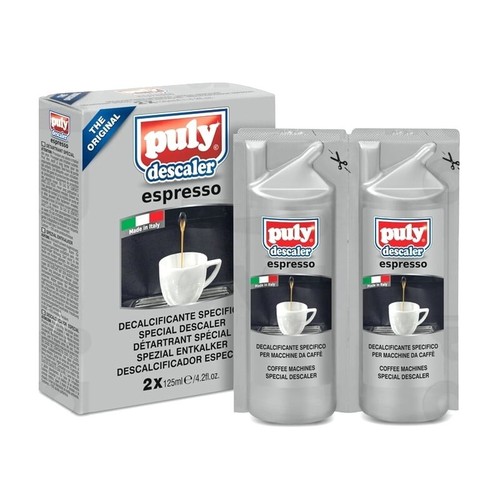
Citric acid (10–20g per liter) is cheap, effective, and safe for most machines. Commercial descalers often combine citric and other acids for faster action and may include corrosion inhibitors. For most home users, citric acid is sufficient, but check your manual—some machines require a specific product to maintain the warranty.
What happens if I don’t descale my machine?
Neglecting descaling leads to slower brewing, reduced steam power, off-flavors, and eventually hardware damage like clogged valves or burned-out heating elements. In some cases, you could void your warranty or face expensive repairs. Regular descaling is cheaper and easier than fixing a neglected machine.
How long does the descaling process take from start to finish?
Most at-home descaling routines take 30–60 minutes, including setup, cycling the solution, waiting periods, and thorough rinsing. Plan for at least two full reservoir runs: one with descaler, one (or more) with clean water. Don’t rush the flush—residual solution can ruin your next few shots.
Will descaling fix low pressure or slow espresso shots?
Descaling often solves these issues if the cause is mineral buildup. However, if your machine is still slow or weak after a full descale, you may have a worn pump, clogged group head, or other mechanical issue. Descaling is preventive maintenance—not a cure-all for every espresso problem.
Can descaling void my espresso machine warranty?
Yes, if you use non-approved products or methods. Some manufacturers specify which descalers are allowed, especially for machines with delicate internals. Always read your manual and warranty terms before using homemade solutions or third-party products.
When to buy descaling supplies—and when to wait
Don’t wait for your machine to slow down or taste off before stocking up on descaler. Buying in advance means you’re ready for routine maintenance or sudden issues. If you’re unsure which approach fits your needs, Compare current options to see which solutions are compatible with your machine and water type. For those who descale frequently or have multiple machines, bulk packs of citric acid or commercial descaler can save money—See today’s deals on different formats and sizes. If you’re upgrading to a new machine soon, check which descaler types are approved by the manufacturer before you buy—View what’s available for your next setup.

Last updated: June 2026 · Our research process