9 min read
Disclosure: As an Amazon Associate and eBay Partner Network publisher, we earn from qualifying purchases. This doesn’t affect what we recommend or how we describe it.
Which brews stronger coffee: a drip coffee maker or a percolator? That’s the question that comes up when you want to upgrade your morning cup and aren’t sure which classic method fits your taste, budget, and patience. The answer isn’t just about flavor—it’s about control, convenience, and what you want from your coffee ritual. Let’s break down exactly how drip coffee makers and percolators stack up, what to expect from each, and how to pick the right tool for your kitchen.
Drip Coffee Makers and Percolators: Where They Truly Differ
Both drip coffee makers and percolators are staples in home kitchens, but they brew coffee in fundamentally different ways. Understanding these differences helps you avoid buyer’s remorse and consistently get the cup you want. Here’s what sets them apart:
- Drip coffee makers rely on gravity: hot water flows from a reservoir, passes through ground coffee (usually in a paper or mesh filter), and drips into a carafe. The process is hands-off and precise.
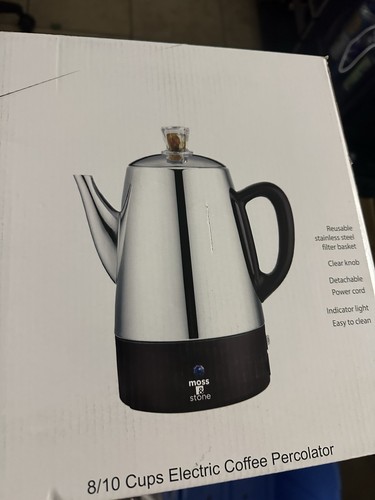
- Percolators recirculate boiling water repeatedly through coffee grounds, using pressure or gravity to send water up a tube and over the grounds. This cycle continues until you stop it, which means brew strength depends on your timing.
These differences affect everything from flavor clarity to ease of cleaning. Let’s see how each method compares in key areas that matter to home brewers.
Side-by-Side: How the Main Brewing Methods Compare
| Method | Typical Brew Capacity | Brew Time (min) | Flavor Profile | Ease of Use | Price |
|---|---|---|---|---|---|
| Standard Drip Coffee Maker | 8–12 cups (1–1.5 L) | 5–8 | Clean, balanced | Very easy | $$ |
| Single-Serve Drip Machine | 1 cup (8–12 oz) | 3–5 | Mild, consistent | Extremely easy | $ |
| Stovetop Percolator | 6–12 cups (0.75–1.5 L) | 7–10 | Strong, bold, sometimes bitter | Moderate | $ |
| Electric Percolator | 8–12 cups (1–1.5 L) | 6–9 | Robust, less clarity | Easy | $$ |
Price: $ = budget, $$ = mid-range, $$$ = premium — relative to the options compared above. Live prices and current stock are below.
What You’ll Notice in Your Cup: Taste, Strength, and Consistency
Flavor is where drip coffee makers and percolators draw the sharpest line. Drip machines deliver a cleaner, brighter cup—think of nuanced acidity and subtle notes if you’re using high-quality beans. The filter (paper or mesh) traps fine grounds and much of the coffee oils, resulting in a lighter body and less residue.
Percolators, on the other hand, emphasize boldness. Since the water cycles through the grounds multiple times, extraction is aggressive. This produces a cup that’s strong, rich, and full-bodied—but often with more bitterness and less complexity. If you like a powerful, old-school diner taste, or you add cream and sugar, percolator coffee can be very satisfying. Just be aware: over-extraction is easy, especially if you get distracted.
Consistency also matters. Drip coffee makers are hard to mess up—just add water and grounds, press start, and you’ll get similar results each time. Percolators demand a bit more attention. Your timing, grind size, and even the heat source can make the difference between a robust brew and a bitter mess.
Which Is More Convenient for Everyday Brewing?
Convenience isn’t just about pushing a button. It’s about setup, cleanup, and how much you need to babysit the process. Drip coffee makers are nearly hands-off, especially models with programmable timers and auto-shutoff features. Most have removable water tanks (usually holding 1–1.5 liters) and swing-out filter baskets, making cleaning straightforward. Some even offer built-in water filters for better-tasting brews.
Single-serve drip machines take convenience further—pop in a pod or load a small basket, brew, and toss the grounds. These are ideal for solo drinkers or quick office setups, but the flavor can be underwhelming compared to multi-cup models.
Stovetop percolators require more attention. You’ll need to watch the heat, listen for the tell-tale “perking” sound, and manually remove from heat to avoid over-brewing. Electric percolators automate this, shutting off or switching to “keep warm” mode when brewing finishes, but cleanup still means disassembling several parts and scrubbing out stubborn grounds.
For most people, drip coffee makers win on convenience—especially if you value set-and-forget brewing or need to serve several cups at once.
Related Guides
- How to Descale a Drip Coffee Maker: A Step-by-Step Guide
- Our guide to Automatic Drip Coffee Makers: A No-Nonsense Buyer’s Guide
- Our guide to Conical Burr Grinders for Great Drip Coffee at Home
- Our guide to Coffee Maker vs. Moka Pot: What’s the Real Difference?
- Our guide to Pour Over vs Drip Coffee Makers: How They Compare
- Our guide to Siphon Coffee Maker vs French Press: Which Brewing Method Should You Choose?
- Browse all Equipment Comparisons →
Quick decision tree
- If you want the easiest, most consistent cup: Choose a standard drip coffee maker.
- If you’re brewing for one and want minimal cleanup: Go with a single-serve drip machine.
- If you crave a strong, old-school taste and don’t mind a little hands-on work: Try a stovetop percolator.
- If you want bold coffee for a group with less risk of bitterness: An electric percolator fits the bill.
- If budget is tight: Both stovetop percolators and basic single-serve drip machines are affordable entry points.
Durability, Maintenance, and Longevity
Drip coffee makers have a reputation for reliability, but the lifespan depends on build quality and maintenance. Basic models can last 3–5 years with regular descaling (every 2–3 months, depending on water hardness) and filter changes. More complex machines with digital controls or built-in grinders may require occasional repair or replacement of parts like carafes and water pumps.
Percolators, especially stovetop models, are built to last. With just a few moving parts—usually stainless steel or aluminum—they can easily last a decade or more. Electric percolators have heating elements that may fail after several years, but replacement parts are often available. Keeping percolators clean is crucial; coffee oils can build up, affecting both taste and function. A good scrub with a bottle brush and occasional vinegar rinse keeps things in working order.
For more on appliance longevity and care, the Consumer Reports website offers independent guidance on home coffee equipment maintenance and lifespan.
What About Control Over Brewing Variables?
If you like to tinker with your brew—adjusting water temperature, bloom time, or extraction—you’ll find more options in the drip coffee world. Some drip coffee makers allow you to set water temperature within a 5°F range (195–205°F), control pre-infusion times, or even adjust flow rate. These features help you fine-tune the extraction for different beans or roasts.
Percolators, by contrast, offer less precision. You control the grind size (medium-coarse works best), how long you let it perk (usually 7–10 minutes), and when you remove it from heat. Electric percolators standardize the process somewhat, but you’re still limited compared to a programmable drip machine. If dialing in the perfect cup is part of your coffee enjoyment, drip makers clearly have the edge.
Brewing for a Crowd or Just Yourself?
Brew size flexibility is another key factor. Standard drip coffee makers and percolators both cover the 6–12 cup range, making them suitable for families, brunches, or the home office. Single-serve drip machines are best for solo drinkers or households where everyone wants something different. Percolators aren’t ideal for making just one cup; they work best when filled closer to their maximum capacity, or you risk over-extraction and a muddy cup.
If you regularly brew for two or more, either method works—just know that drip machines make it easier to brew smaller batches without sacrificing taste.
FAQs: Real-World Questions About Drip Coffee Makers vs Percolators
Which brews faster: drip coffee maker or percolator?
Single-serve drip machines are the quickest, delivering a cup in 3–5 minutes. Standard drip and electric percolators are similar, usually taking 6–9 minutes for a full pot. Stovetop percolators can take up to 10 minutes, plus time to heat the water. If speed is critical, single-serve drip wins.
How do I avoid bitter coffee with a percolator?
Bitter percolator coffee usually comes from over-extraction. Use a medium-coarse grind, keep brewing time to 7–8 minutes, and remove the percolator from heat as soon as brewing stops. Don’t leave coffee on a hot plate for long periods, as this can also increase bitterness.
Drip coffee maker vs percolator: which is better for making coffee for a group?
Both can brew 8–12 cups, but drip coffee makers are easier for group settings. They keep coffee warm without overcooking, and you can often program them to start brewing before guests arrive. Percolators require more attention and can over-extract if left unattended, but produce a stronger cup that some groups prefer.
How long does a typical drip coffee maker last?
With regular cleaning and descaling, a basic drip coffee maker can last 3–5 years. Higher-end models with more features may need minor repairs after a few years, but replacement parts are widely available. Descale every 2–3 months to keep your machine running smoothly.
Are paper filters or permanent filters better for drip coffee makers?
Paper filters yield a cleaner cup by trapping more oils and fine particles, while permanent mesh filters allow more body and flavor through. Paper filters are single-use and cost a little more over time. Permanent filters require regular cleaning but are more eco-friendly. Flavor preference is the deciding factor for most users.
What’s the typical wattage for these brewers?
Standard drip coffee makers use 800–1200 watts, depending on carafe size and heating element. Electric percolators fall in a similar range, usually 600–1000 watts. Stovetop percolators only require a stovetop burner, so the wattage depends on your stove.
What’s the most common failure mode for percolators?
The heating element in electric percolators is the part most likely to fail, especially after several years of use. For stovetop models, lost or damaged gaskets and worn-out baskets are the typical issues. Both types benefit from regular cleaning and periodic checks for worn parts.
Final Thoughts: Picking the Brew Method That Fits Your Life
Choosing between a drip coffee maker and a percolator comes down to your taste, how much effort you want to put in, and how many people you’re serving. Drip coffee makers shine for convenience, consistency, and cleaner flavors—great for busy mornings and nuanced beans. Percolators appeal to those who want a bold, nostalgic cup and don’t mind a little hands-on attention.
If you’re ready to upgrade your setup, Check current prices on drip coffee makers, See today’s deals on percolators, or Compare current options for single-serve machines. The right choice is the one that makes your coffee ritual enjoyable—and fits your kitchen, your budget, and your taste buds.
For more on the science and culture behind different brewing methods, visit the Specialty Coffee Association of America for standards and brewing tips.
Last updated: June 2026 · Our editorial approach